Stocking stuffers have a dirty little secret: most of them are landfill by January 2nd. You know the pile — a mini lint roller, a keychain flashlight with a dead battery already installed, a novelty bottle opener shaped like a flamingo, three lip balms in flavors nobody asked for. They get unwrapped, get a polite laugh, and get quietly binned during the after-holiday cleanup. Nobody's fault, exactly. It's just that "small and cheap" became the only two criteria anyone applies to this category, and small-and-cheap has a way of also meaning useless-and-disposable.
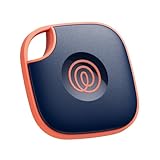
- Top pickTile Mate Bluetooth Tracker~$25
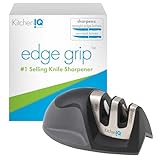
- Best budgetKitchenIQ Edge Grip Knife Sharpener~$8
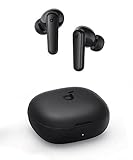
- Worth the splurgeSoundcore P3i Wireless Earbuds~$45
The stuffers that actually survive past New Year's share a pattern once you notice it: they solve a small, real annoyance instead of just existing in miniature. Nobody keeps a stuffer because it was cute in the store. They keep it because three weeks later they're using it without thinking, the way you use a good pair of scissors — automatically, and a little grateful it's there. That's the bar for this list. Nothing on it is a novelty. Everything on it is something a normal adult (or their dog) would genuinely reach for.
What actually makes a stuffer worth keeping
Before the picks, the filter that got everything else cut: does it solve a problem the person already has, or does it just fill space in a stocking-shaped hole in your gift budget? A lint roller solves a problem. A "as seen on TV" gadget that peels garlic in one motion, in theory, also solves a problem — except almost nobody actually peels enough garlic to justify a single-use tool for it, so it becomes a drawer object instead of a kept one. The winners below tend to be small versions of things people already own and use, or small tools that quietly close a gap in something they use every day. Nothing here needs its own drawer. Nothing here needs batteries you'll have to hunt for later, except the two that genuinely earn it.
Small tech that earns its spot in the stocking
Tech stuffers usually go one of two ways: either they're a genuinely clever small object that gets used constantly, or they're a $6 phone-stand-slash-fidget-toy that's basically a paperweight by February. The two below are firmly in the first camp — one solves the "where did I put that" problem permanently, and the other is a real upgrade to something people already do daily, just shrunk down to stocking size and a stocking-friendly price.
Kitchen tools that quietly get used every single week
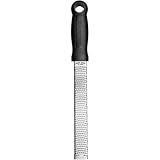
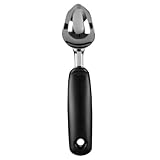
Kitchen stuffers have the best odds of survival of any category on this list, for one simple reason: kitchens get used daily, so anything genuinely useful there gets picked up constantly instead of sitting in a drawer waiting for a special occasion. The trick is picking tools that solve a specific annoyance rather than adding a specialty gadget nobody needed. A garlic press is a maybe. A sharp knife and a working can opener are never a maybe.
Small fixes for travel headaches
Travel-category stuffers hit differently because the problem they solve is specific and recurring — anyone who flies more than once a year has hit the "why didn't I have this already" moment at airport security or while repacking a carry-on. These two are built for exactly that moment, and unlike a travel pillow or a neck wallet, they don't need a special trip to justify existing — they live in the suitcase permanently once they're in it.
For the pet who also deserves a stocking
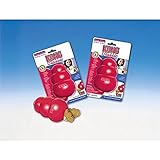
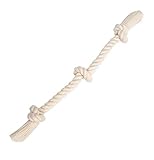
If there's a dog in the house, there's an unwritten rule that they get a stocking too, and the good news is pet stuffers have an unusually high keep rate — mostly because the dog decides, not the human, and dogs are famously not sentimental about novelty. They either love a toy immediately or they don't, which makes this one of the easier categories to get right if you pick something built to actually hold up.
What to skip: the stuffers that end up in the junk drawer
The tell for a bad stocking stuffer is almost always the same: it's a novelty version of something the recipient would never buy in its full-size form. A mini waffle maker nobody has counter space for. A phone case shaped like a cartoon character they'll swap out within a month. A "gadget" that solves a problem so narrow it only applies once a year, like a specialty tool for de-seeding pomegranates. These get a genuine laugh when unwrapped, which is exactly the trap — the laugh feels like a win in the moment, but a laugh isn't the same thing as a keep.
Also worth skipping: anything scented that wasn't specifically requested. Candles, lotions, and novelty soaps in flavors like "gingerbread cookie" are the stocking-stuffer equivalent of a white elephant gift — fine as a joke, rarely used, and disproportionately likely to sit unopened until a spring cleaning purge finds it. If you don't already know someone's specific favorite scent, that's a strong signal to pick something from the list above instead, where the utility doesn't depend on matching anyone's particular taste.
How to actually fill a stocking without overspending
The math on this list works out nicely if you're filling an actual stocking rather than shopping for one big present: most of these land between $8 and $25, with the earbuds as the one item that pushes toward $45 if you want a single higher-impact stuffer instead of three small ones. A realistic stocking might be the knife sharpener, the Tile Mate, and the KONG toy for the family dog — three genuinely useful items for under $50 combined, which beats one novelty item at the same price by a wide margin in terms of what actually survives to next Christmas.
The real trick, honestly, is just paying attention for thirty seconds before you buy. Does this person already own three of these? Does it need batteries they don't have on hand? Would they buy this for themselves if they saw it at the store? If the answer to that last one is yes, you've found a keeper. If the honest answer is "probably not, but it's cute and it's $6," that's the flamingo bottle opener talking, and you already know how that story ends.
FAQs
What's the single best stocking stuffer under $10?
The KitchenIQ Edge Grip Knife Sharpener. It's about $8, solves a problem almost every kitchen already has (a dull knife nobody's gotten around to sharpening), and gets used the same week it's unwrapped instead of sitting in a drawer.
Are tech stocking stuffers actually worth it, or do they end up as junk drawer filler?
It depends entirely on whether the item solves a real, recurring problem. A Tile Mate tracker or a genuine pair of wireless earbuds get used constantly because they replace an actual daily annoyance. A novelty gadget with one narrow use case — like a keychain phone-sanitizer or a mini fidget toy — is much more likely to be forgotten within a month.
How much should I realistically spend per stocking stuffer?
Most of the picks on this list run $8 to $25, which is the sweet spot for a stuffer that still feels like a genuine gift rather than an afterthought. Save anything over $30 (like wireless earbuds) for one standout item rather than spreading that budget across several smaller ones — one great stuffer beats three forgettable ones.
What stocking stuffers should I avoid buying?
Skip novelty versions of full-size products (mini gadgets, single-use kitchen tools), anything scented that wasn't specifically requested, and anything that requires a skill or habit change to use. The safest bet is always something that makes an existing daily task slightly easier, not something that asks the recipient to start doing something new.
Do stocking stuffers work for pets too?
Yes, and they tend to have a higher keep rate than human stuffers because the decision isn't sentimental — a dog either uses a toy or ignores it. Durable, well-reviewed basics like a KONG Classic or a thick rope toy consistently outperform novelty pet gadgets for the same reason human stuffers do: they solve a real, recurring need (chewing, mental stimulation) instead of just existing in miniature.
Is it better to do a few nice stuffers or a lot of small cheap ones?
A few nice ones, almost every time. Filling a stocking with five or six dollar-store items usually reads as effort spent on quantity rather than thought, and most of those items don't survive past January. Three genuinely useful picks in the $10–$25 range, chosen with the recipient's actual habits in mind, consistently outperform a stocking stuffed to the brim with novelty filler.