A cheap gift is not a gift that costs little. A cheap gift is one where the recipient can feel, even before the wrapping is fully off, that the giver did the smallest acceptable thing. The bath set from the airport. The mug with a generic slogan. The thing that came in a plastic clamshell next to the impulse-buy gum. Price is almost incidental. What people actually register is whether you noticed them.
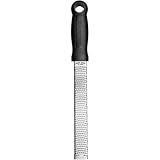
- Top pickMicroplane Classic Zester/Grater~$15
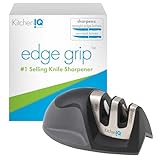
- Best budgetKitchenIQ Edge Grip 2-Stage Knife Sharpener~$8
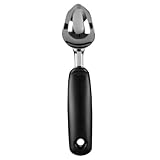
- Worth the splurgeOXO Good Grips Smooth Edge Can Opener~$18
The good news, the genuinely good news, is that twenty dollars is enough room to do this well. Twenty dollars buys you a single beautiful object instead of a multipack of mediocre ones. It buys you something the recipient might never have bought for themselves, which is the whole point of a gift in the first place. The trick is to spend the budget on one nice thing rather than dilute it across three forgettable ones.
Below are seven gifts that come in under twenty dollars and do not feel like it. None of them are technically clever. They are simply things that small, well-made objects beat large, mediocre ones every single time.
A really good kitchen tool: the Microplane zester
Cooks who already own one of these will tell you, unprompted and at length, how much they love it. People who have never used one have no idea what they are missing. A Microplane is the small, sharp, lifetime-guaranteed tool that turns a lemon into a cloud of zest, parmesan into snow, garlic into paste, ginger into fragrance. It costs fifteen dollars. It will outlast almost everything else in their kitchen drawer.
What makes this a good gift specifically is that it is the kind of upgrade nobody buys for themselves. They keep using the dull box grater they got at a garage sale. Then someone gives them a Microplane and the next time you visit they hand you a drink garnished with fresh zest because they finally have the right tool.
A useful tool that quietly outperforms its price: the OXO can opener
This sounds like a joke gift until you have used a bad can opener for years. The OXO Good Grips is the can opener that quietly works, every single time, on every type of can, with no slipping, no metal shavings, no swearing. The handle is thick enough that it does not bruise the palm of someone with arthritis or carpal tunnel. It costs eighteen dollars and is the kind of object that makes a kitchen feel slightly more grown-up.
This is also a perfect housewarming or moving-in gift, especially for someone setting up a first apartment. They will not register it as exciting in the moment. Six months later, when they finally retire whatever rusted thing they were using, they will think of you.
A beautiful book that costs less than lunch
Books are still the most underrated gift in this price range. A novel that someone genuinely loves, in a hardcover or new paperback, costs thirteen to fifteen dollars and lives on a shelf for years afterward. A book is also legible as a gift in a way that, say, a candle never quite is. The recipient knows you thought about them specifically. You did not pick this up at a checkout counter.
The Midnight Library by Matt Haig is the most-gifted novel of the past several years for a reason. It is short, it is moving, it asks the kind of question (what would your life look like if you had taken a different turn?) that most people are quietly asking themselves anyway. It is a safe book to give to almost anyone over fifteen, with the rare exception of someone going through an acute mental health crisis, in which case skip it.
A quietly life-changing book for the right person
Some books are gifts and some books are interventions disguised as gifts. Atomic Habits by James Clear is in the second category, given carefully. It is the most-recommended book on building small, sustainable habits ever written, full stop. For someone who has been talking about wanting to read more, exercise more, write more, drink less, it is the right book at the right price. For someone who did not ask for advice, it can read like unsolicited advice. Know your audience.
When it lands, it lands. People who absorb this book often credit it years later with whatever changed for them.

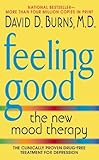
The book that quietly helps people who are struggling
This one is for a specific kind of giving. Feeling Good by David Burns is the most-recommended self-guided cognitive behavioral therapy book in print. Therapists hand it to clients between sessions. It teaches the reader how to notice the thought patterns that fuel anxiety and low mood, and how to interrupt them. It is not a substitute for actual therapy and the book itself is clear about that, but it is a remarkable companion. Fourteen dollars, and for the right person it is the most useful gift they have ever received.
Give this only to someone who has, in some way, signaled they would welcome it. It is not a stocking stuffer.
A genuinely useful little luxury: a real travel bottle set
Anyone who travels even a few times a year has, at some point, suffered an exploded shampoo bottle in their bag. The drugstore three-dollar travel bottles all leak. A real silicone travel bottle set, TSA-compliant, with proper one-way valves and a clear toiletry pouch, runs about fifteen dollars and lasts for years. It is a tiny upgrade that the recipient will use every single trip. Pair it with a fancy bar of soap or a small bottle of their preferred shampoo and you have a great twenty-dollar bundle.
The eight-dollar tool that saves every other gift
This one is the sleeper. A basic two-stage knife sharpener costs eight dollars. Every kitchen has at least one knife that has been dull for so long the owner has stopped noticing. Slipping a small sharpener into a card, with a note saying take five seconds and you will see what your knives can actually do, is one of the great low-cost gifts. It pairs especially well with anyone you have given a knife or a cutting board to in the past.
How to make a twenty-dollar gift feel like a forty-dollar one
The single biggest variable is presentation. A fifteen-dollar Microplane in its plastic blister pack feels like a hardware-store afterthought. The same Microplane wrapped in butcher paper, tied with kitchen twine, with a small handwritten card that says I have been waiting to give you this for a year, feels like a serious gift. The wrapping is forty cents and the difference is enormous.
The second variable is pairing. One thoughtful object reads as careful. Two thoughtful objects in conversation with each other (a book and a bookmark, a Microplane and a lemon, the travel bottles and a bar of nice soap) read as deliberate. Three or more objects starts to read as filler. Stop at two.
The third variable, and the one most people miss, is the note. A gift with a real, specific, two-sentence handwritten note will outperform a much more expensive gift with no note. The note is the part that says I noticed you. The object is just the carrier.
What to skip in this price range
Skip novelty mugs, bath bomb gift sets, gas station chocolate, anything with a slogan, anything described as a gag, anything wrapped in cellophane shaped like a bow. Skip multipack sets where the only logic is volume (twelve assorted lip balms, six different jerkies). Skip anything labeled stocking stuffer that you have not actually held in your hands first. The category is thirty percent landfill by weight.
Skip gift cards under twenty-five dollars unless explicitly requested. A ten-dollar Starbucks card communicates obligation, not warmth. If the budget is twenty dollars, a single nice object beats a card every time.
FAQs
What makes a cheap gift feel cheap, exactly?
Three things: it looks mass-produced, it has a slogan or novelty hook instead of a use, and the giver clearly bought it from whatever was at the front of the store. None of these are about price. A fifteen-dollar Microplane in butcher paper feels expensive. A forty-dollar gift basket from a drugstore feels cheap.
Are books actually a good gift?
Yes, when the book is chosen for the specific person rather than pulled from a bestseller shelf. A novel someone has actually mentioned wanting, or a book that fits a hobby they care about, lands far better than a generic title. Include a short note saying why you chose it for them.
What is the most universal gift under twenty dollars?
A high-quality kitchen tool the recipient does not already own. The Microplane and the OXO can opener are both excellent because almost everyone cooks at least occasionally, almost nobody buys these for themselves, and the quality difference over their existing tool is immediate and obvious.
How do I gift something to someone who has everything?
Give a consumable upgrade or a small upgrade to a daily-use object. A really good can opener replaces a mediocre one. A Microplane replaces a dull grater. A nice notebook replaces the stack of legal pads. The category is things they already own in worse form.
Is it tacky to spend only twenty dollars on a gift?
No. The amount is fine. What is tacky is spending twenty dollars badly, on filler, instead of on one nice thing. A single thoughtfully chosen object at twenty dollars communicates more care than a fifty-dollar grab bag from a discount store.
Can I gift a self-help book without it feeling like a critique?
Only if the recipient has explicitly mentioned wanting to work on the topic the book covers. Otherwise it reads as unsolicited advice, even when well-intentioned. Atomic Habits is fine for someone trying to build a routine. Feeling Good is only appropriate for someone already discussing mental health openly.