Somewhere around the third goodbye card, someone in the office suggests a clock. It's tradition. It's also, if you think about it for more than four seconds, a genuinely strange object to hand someone on the day they stop having to be anywhere at a specific time. A clock says "here's a reminder of the thing you just escaped." A gold-tone plaque with their name and start/end dates says "here's a wall decoration for an office you no longer have." Neither one gets used past the first week, and both usually end up in a closet by month two.
- Top pickEagle Creek Pack-It Cubes~$45
- Best budgetMaster Lock TSA Combination Lock~$10
- Worth the splurgeBaratza Encore Burr Grinder~$200
Retirement is a bigger life transition than most gift-givers treat it as. The person isn't just leaving a job — they're gaining a couple thousand hours a year they didn't have before. The best gifts acknowledge that shift instead of commemorating the job they're leaving. Below is a working list, organized by what that extra time actually gets spent on: travel, cooking, slowing down at home, and the daily rituals that make an ordinary Tuesday worth getting up for.
The clichés to skip entirely
Before the good stuff, a quick word on what not to buy, because the retirement-gift aisle is a minefield of well-intentioned misses.
The clock. Covered above, but it bears repeating: this is the single most common retirement gift and also the one most likely to get regifted. Skip it.
The engraved plaque or "years of service" award. These feel meaningful in the moment of presentation — everyone claps, there's a nice speech — and then they go in a box. Nobody displays a plaque about a job they used to have. If you want to commemorate the career, a photo book or a framed piece of actual meaning (a handwritten card from coworkers, a printed collection of well-wishes) beats a piece of engraved acrylic every time.
Anything golf-themed, unless you've specifically confirmed they golf. It's the default assumption for retiring men, and it's wrong more often than it's right. Golf balls with their name printed on them, a golf-club bottle opener, a "retirement handicap" sign — all of it assumes a hobby that may not exist. If they genuinely golf, get something golf-adjacent and useful, like a good rangefinder. If you're not sure, don't guess.
Generic "relax" merchandise. Mugs that say "Retired: Hard Work Pays Off," hammock-graphic t-shirts, a pun wine glass. These are jokes, not gifts, and say more about five minutes on a gift site than about the person retiring.
For the trip they've been talking about for a decade
Almost everyone retiring has a version of "once I retire, we're finally going to..." Give them something that makes that trip easier to actually take, rather than something to remember the trip after the fact. Good packing gear removes a specific kind of low-grade travel anxiety — the kind where you're not sure everything fits, or you're digging through a suitcase at 6 a.m. looking for a phone charger.
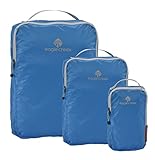
The through-line here: none of these are "trip gifts" in the sense of a destination-specific souvenir or a travel-branded gadget. They're infrastructure. They make every trip this person takes for the next decade slightly easier, which is a much better return on a $25–$45 gift than almost anything else in this category.
For the kitchen they finally have time to use properly
A huge number of newly retired people discover, somewhat to their own surprise, that they actually like cooking once they're not doing it exhausted at 7 p.m. after a nine-hour day. The gift here isn't a gadget they'll use twice — it's something that makes a daily ritual better, or a book that gives them somewhere to point that new attention.

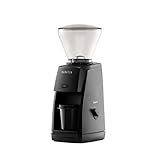
One note on kitchen gifts: skip single-purpose trendy gadgets (an egg cooker, a novelty waffle iron) unless you know they already wanted it. The best kitchen gifts upgrade something they already do daily — coffee, chopping, storage — instead of adding a narrow new task they'll try twice.
For slowing down at home
Not every retirement gift needs to point outward at travel or a new hobby. A lot of the actual daily experience of retirement is quieter than that — more time on the couch with a book, more unstructured evenings, more room to just sit somewhere comfortable without a schedule pressing on the other side of it. Gifts that support that are underrated and genuinely well-used.

These gifts don't scream "retirement" at all, which is exactly the point — nobody wants a home that constantly reminds them of a job transition.
For the person who wants structure, not just free time
Here's something gift-givers consistently miss: a meaningful number of retirees don't want unstructured time, they want to redirect the structure they already had toward something else. Handing someone forty extra hours a week with zero framework can be genuinely disorienting after thirty or forty years of a fixed schedule. A good planner isn't a corny office gift in this context — it's a real tool for someone building a new daily rhythm from scratch.
If you're unsure whether a planner reads as thoughtful or as "here's homework," frame it as a travel-and-projects planner rather than a productivity tool. The distinction matters in how it lands, even though it's the same object.
How to actually pick, if you're stuck
If you only take one thing from this list: match the gift to what they're retiring into, not what they're retiring from. A gift that references their old job has a shelf life of about a week of nostalgia before it becomes a slightly odd object. A gift that supports the trip, the hobby, or the slower mornings they're walking toward gets used for years.
Budget-wise, this list runs from $10 (the TSA lock) to $200 (the grinder or the weighted blanket), and none of it requires spending big to land well. A $25 toiletry bag paired with a genuinely kind card usually beats a $150 gadget that misses what the person actually wants. If you're buying as a group — a common office scenario — pooling toward one or two higher-ticket items usually lands better than everyone chipping in on a single generic basket.
Frequently asked questions
What's actually wrong with giving a clock as a retirement gift?
Nothing is wrong with a clock as an object — the problem is the symbolism. Retirement is supposed to mean less structured time, not a new reminder to watch the hour. It's also simply the most overused retirement gift, which makes it feel like an afterthought even when it isn't one.
Is it rude to give a practical gift instead of something sentimental?
Not at all — practical and sentimental aren't opposites. A well-chosen packing cube set or coffee grinder paired with a genuine, specific card ("so your Portugal trip is easier to pack for") reads as more thoughtful than a generic sentimental object, because it shows you actually thought about their next chapter rather than just their last one.
How much should I spend on a retirement gift?
There's no fixed rule, but $30–$75 individually is typical for a coworker gift, and group gifts often land in the $100–$250 range when several people pool together. What matters more than the amount is relevance — a $25 gift that fits their actual plans beats a $150 gift that doesn't.
What if I don't know what they plan to do in retirement?
Default to broadly useful categories that apply to almost anyone: better coffee gear, travel organization, or home-comfort items like a good blanket or reading lamp. These work whether someone's traveling constantly or barely leaving the house, which makes them safer bets than hobby-specific gifts when you're not sure of the details.
Are gift cards a cop-out for a retirement gift?
They're not ideal on their own, mostly because they feel impersonal for a milestone this large, but they work well as a supplement — pair a gift card to a favorite restaurant or bookstore with one smaller, specific physical gift, and you get the flexibility of cash with the thoughtfulness of an actual present.
Should retirement gifts be different for men versus women?
Not based on gender — based on the individual's actual interests. The golf-for-men, spa-day-for-women default is exactly the kind of stereotyped guessing that leads to a gift nobody uses. Ask a spouse, adult child, or close coworker what the person's actually excited about, and buy toward that instead.
What's a good last-minute retirement gift if the party is tomorrow?
A quality insulated water bottle or travel mug, a nice notebook, or a small toiletry organizer are all things almost anyone can use and are easy to find same-day. Pair whichever one you grab with a specific, sincere note — the note does more work than people expect when time is short.