Somewhere around 1937, a jewelry trade association got together and decided that married couples needed a shopping list — paper for year one, tin for year ten, silver for year twenty-five, and so on down the line. It's a genuinely strange piece of marketing history, and it's why your aunt's anniversary card always says something like "the cotton anniversary" in a font that looks like a doily. The list itself isn't the problem. The problem is that almost everyone who tries to honor it ends up buying an engraved cheese board, a "his and hers" mug set, or a photo frame that says "Our First Year" in cursive. None of that is a gift. It's a gesture toward a gift.
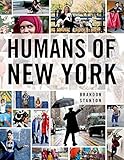
- Top pickHumans of New York (Hardcover)~$25
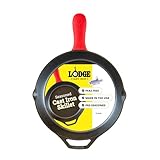
- Best budgetLodge 10.25in Cast Iron Skillet~$24
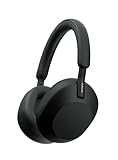
- Worth the splurgeSony WH-1000XM5 Headphones (Silver)~$398
Here's the better way to use the anniversary-by-year list: treat the material as a loose theme, not a shopping constraint, and buy something the couple will actually reach for. Paper doesn't have to mean a greeting card — it can mean a book good enough to keep on the shelf. Wood doesn't have to mean a plaque with your wedding date burned into it — it can mean something you touch every morning. This is the version of the list that doesn't end up in a donation box eighteen months later.
The first year: paper, reimagined
The paper anniversary is where most people's imagination stops at "nice card." Understandable — paper is a hard material to turn into an actual object. But a physical book is paper in its best possible form: something printed, bound, and meant to last decades on a shelf, which is a pretty good metaphor for year one of a marriage if you want to get sentimental about it (you don't have to). A genuinely great photography or essay collection works as a coffee-table object and a real gift, not a novelty.
If the couple is more practical than sentimental, lean into the "paper" theme differently — a real planner, the kind built for people actually trying to run a life and a relationship together, does more for a first-year marriage than almost anything decorative.
The second year: cotton and linen, not a bedsheet joke
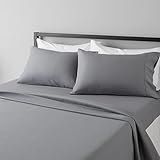
The cotton anniversary usually produces one of two things: a t-shirt with a joke printed on it, or an actual handkerchief (yes, really). Neither is a gift a grown adult wants to unwrap. The honest move here is to notice that almost every couple is still sleeping on the same bedding they had in their first apartment, and a real upgrade to what you actually sleep on and under is a bigger quality-of-life change than people expect. It's not a literal 100% cotton requirement — it's the spirit of the category: soft, tactile, everyday-use textiles, upgraded.
If you want to be a purist about the material, a proper cotton percale sheet set is the traditional answer. If you want something that performs better night to night, a good microfiber set drapes and cools similarly to cotton sateen without the ironing, and either one solves the actual problem, which is that most people are still using their college sheets.
The fifth year: wood (and the glass that comes with it)
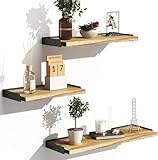
Wood is the anniversary material most often ruined by a laser engraver. The default gift is a wooden photo frame or a "5 years and still going strong" plaque, both of which get displayed for exactly one holiday season before migrating to a closet. A better read on "wood" is anything solid, well-made, and functional that happens to be built from it — something that earns its place on a wall or a counter because it's useful, not because it has a date carved into it.
One option that quietly covers two anniversary years at once: a glass pour-over coffee maker with a wood collar and leather tie. It's wood, it's glass (which is technically the fifteenth-year material, but nobody's checking), and it's something a coffee-drinking couple will use most mornings for the next decade.
The sixth year: iron, without the skillet pun
Iron is the one anniversary material where the obvious gift and the good gift are almost the same thing — a cast iron skillet is a legitimately great present. The problem is execution. The cheesy version comes with a pun card ("such a catch"), a tiny novelty-sized pan nobody can cook in, or a skillet-shaped trivet instead of an actual skillet. The good version is just: buy the real, full-size, well-made pan. If the couple doesn't already have one, this is a gift that gets used for the next thirty years, which is a pretty good ratio for a sixth-anniversary present.
The tenth year: tin and aluminum, elevated
Ten years deserves better than a tin picture frame or a piece of aluminum-plated costume jewelry, which is unfortunately what most "tin anniversary gift" search results turn up. The material itself isn't the issue — well-made aluminum is genuinely nice, it's just almost never used well in gift form. The fix is picking an object where the aluminum is structural and intentional, not a cheap plating over something else. A well-designed vacuum canister with a real anodized aluminum lid is a good example: it's functional, it looks expensive because the material is doing real work, and it solves an actual kitchen problem (stale coffee beans) instead of sitting on a shelf as a decade marker.
The twenty-fifth year: silver, done as actual luxury
Twenty-five years is the milestone anniversary people feel the most pressure around, which paradoxically leads to some of the worst gifts on this whole list — silver-plated picture frames, engraved toast-glass sets, a commemorative plate. If jewelry isn't the couple's thing (or they've already covered that ground), the better move is a genuine everyday luxury item, ideally one that actually comes in a silver finish so the theme still lands without being literal about it. Noise-canceling headphones in a silver colorway hit this exactly: it's a real upgrade to daily life, it's expensive enough to feel like a milestone gift, and nobody has to explain the "theme" to understand why it's a great present.
What to skip: the cheesy anniversary gift hall of fame
A few categories show up on every "best anniversary gifts" list and deserve to be retired. The tell is almost always the same: if the year number, the couple's initials, or a pun is the entire point of the object, it's a gesture, not a gift.
| The cheesy version | Why it misses | The better swap |
|---|---|---|
| Engraved cheese board ("wine a little, laugh a lot") | Gets used twice, then lives in a cabinet forever because nobody wants to cut cheese on someone's inside joke | A genuinely good knife, skillet, or pour-over — something used weekly, not displayed |
| "Our First Year" photo frame | Generic, and most couples already have a wall of frames they never rotate | A hardcover book worth rereading, or floating shelves for things they actually want to display |
| His-and-hers matching mugs | Cute for a week, then it's just two mugs in a cabinet of mismatched mugs | One really good coffee setup they both use — grinder, kettle, or pour-over |
| Couple's pun t-shirts | Worn once, for one photo, then never again | Anything from the actual material theme that solves a real daily problem |
| "X Years and Counting" wall clock or plaque | Broadcasts the year number as the entire concept of the gift | A functional wood or metal object where the material fits the year quietly |
| Silver-plated commemorative toast set | Used once, at the anniversary dinner, then never touched again | A genuine everyday-luxury item in a silver finish they'll actually use |
The pattern across all of it: cheesy anniversary gifts tend to announce the occasion instead of serving the relationship. The better version of every single one of these is quieter about the milestone and louder about actually being useful. If you're ever stuck between two options and one has a date or a pun printed on it, pick the other one.
Frequently asked questions
Do we actually have to follow the traditional anniversary material list?
No — it's a loose 1930s marketing invention, not a rulebook. Treat it as a fun theme to organize your gift search around, not a constraint. If the "wood" idea doesn't inspire anything good for year five, skip it and just buy something great.
What if my partner and I don't care about the year themes at all?
Then ignore them entirely and just buy a genuinely good gift — the material list is a helpful prompt for people who want a starting point, not a requirement. Plenty of great anniversary gifts have nothing to do with paper, wood, or tin.
What's a good rule of thumb for avoiding cheesy anniversary gifts?
If the gift's entire concept is the year number, your initials, or a pun, it's probably cheesy. Good anniversary gifts function first — they get used, worn, or consumed regularly — and only reference the year or material quietly, if at all.
Are personalized or engraved gifts always a bad idea?
Not always, but they're higher risk. Engraving works best on something the couple was already going to want on its own merits — a nice knife, a watch, a leather bag — where the personalization is a bonus, not the whole point. Engraving a generic object (a cheese board, a picture frame) rarely saves it.
We're only two or three years in and don't want to spend much — what should we do?
Early years are exactly where a smaller, practical upgrade works best — better sheets, a good coffee tool, a book worth keeping. You don't need to spend a lot to avoid cheesy; you mostly need to avoid anything with a pun or a date printed on it.
Do the big milestone years like 10, 25, or 50 require jewelry?
No. Jewelry is a fine option if it fits the couple, but a genuine everyday-luxury item — great headphones, a beautiful coffee setup, a serious kitchen upgrade — can carry the same weight for a milestone year without defaulting to a ring or necklace.