Here is the problem with buying a gamer a game: you will get it wrong. You'll buy the sequel to something they already finished, or a title they said was overhyped, or a game for a console they traded in months ago. Even when you get it right, you've bought them twenty more hours of the exact activity everyone in their life is already gently side-eyeing. A new game isn't a gift. It's an extension of the thing they already do.
- Top pickSony WH-1000XM5 Headphones~$398
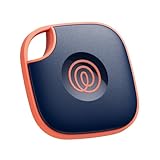
- Best budgetTile Mate Bluetooth Tracker~$25
What actually lands is something that makes the hours they're already spending better — clearer sound, less eye strain, a way to stop losing their controller in the couch cushions. None of it says "gamer" on the box, and all of it gets used daily, not just during one playthrough. That's the whole test: will it still be in use six months from now, long after the game that prompted the purchase has been forgotten.
Below are ten things that pass that test, organized by the problem they solve, plus an honest list of the gamer-gift clichés that look thoughtful on a gift guide and land like clutter in real life.
The headphones that get worn for reasons that have nothing to do with games
The single best gift-for-gamer move doesn't involve a single gaming product: a genuinely great pair of noise-canceling headphones. Not "gaming headphones" with a boom mic and RGB ear cups that scream hobby at a glance — real, all-purpose headphones that also sound incredible for a four-hour session. A gaming-branded headset is single-use; a pair of Sony WH-1000XM5s gets worn on the commute, on a flight, in a loud apartment, and also while gaming, because the sound and noise cancellation beat most things marketed specifically at gamers.
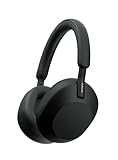
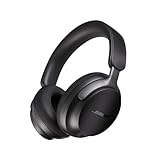
If the full Sony price feels like too much, the Bose QuietComfort 45 is the other end of the same idea — a lighter clamp, slightly less aggressive noise cancellation, and a price that's easier to justify for a sibling or a coworker's Secret Santa. Either one beats the same problem: headsets marketed specifically as "gaming" are almost always worse audio hardware than general-purpose headphones at the same price, because half the budget went into the branding.
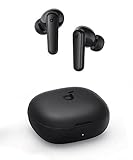
If the budget is nowhere near either of those, the Soundcore P3i earbuds are the honest answer for someone who games on a laptop or handheld and doesn't want a full headset clamped on for hours. They won't out-perform either headphone pick, but at under fifty dollars they're a real upgrade over whatever wired earbuds came free with a phone years ago, and they double as the everyday pair for walks and calls.
The desk upgrade nobody buys for themselves
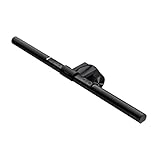
Gamers who also work from a desk all day tend to under-invest in the desk itself, because desk gear feels like a chore purchase rather than a fun one. That's the gap a good gift can fill. A monitor light bar clips to the top of the monitor, throws light down onto the desk instead of at the screen, and cuts the glare and eye strain that come from gaming in a dim room lit only by the screen. It sounds minor until someone uses one for a week and realizes how much eye fatigue they'd been accepting as normal.
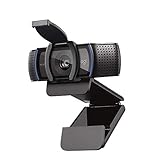
The other under-bought desk item is a decent webcam. Laptop and monitor cameras are universally bad — grainy, badly angled, terrible in low light — and anyone who streams, does work calls, or hops on Discord is stuck looking worse than they need to. The Logitech C920s has been the default recommendation in this category for years: it's plug-and-play, the 1080p image is genuinely sharp, and it comes with a privacy shutter people actually appreciate having.
Comfort for the sessions that run long
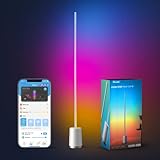
Anyone who games for hours at a stretch is, whether they'd admit it or not, sitting in a room lit by a single bright rectangle, hunched forward, forgetting to get up. Gifts that respect that reality tend to outperform anything game-branded, because they address the physical experience of the session instead of the theme of it. A corner floor lamp with tunable warm-to-cool light fills in the ambient light a monitor-only room is missing, softening the harsh contrast that causes so much of the eye strain people blame on "screen time" generally.
A weighted blanket is a stranger pick for this list but a genuinely good one, especially for anyone who games late into the night and struggles to wind down afterward. The Bearaby costs more than a basic weighted blanket, but it's breathable, machine-washable, and doesn't trap heat the way cheaper glass-bead versions do — which matters if it's going to live draped over a gaming chair for hours at a time.
The unglamorous stuff that solves a real, recurring problem
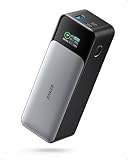
Every gamer has a version of the same low-grade annoyance: a controller battery that dies mid-match with no outlet nearby, or a controller that's vanished into the couch cushions. Neither problem is exciting to solve, which is why nobody solves it for themselves and why it makes a genuinely appreciated gift. A high-capacity portable battery pack means a dead controller, phone, or handheld console is never a session-ending event — it just gets plugged in and kept moving.
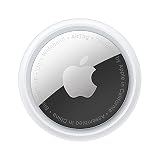
For the person who has genuinely lost a controller or gear bag more than once, a Bluetooth tracker gets used the first week and every week after. Deep in the Apple ecosystem, an AirTag is the obvious pick — it piggybacks on the enormous Find My network of other iPhones. For Android or a mixed household, a Tile Mate is the more reliable choice since it isn't locked to one platform.
What to skip
A gift card to a game storefront is the gaming equivalent of cash in an envelope — fine between close family, faintly disappointing from anyone else, and a tacit admission you didn't want to think about the person. Pair it with something physical so it doesn't feel like the entire gift.
Skip anything that exists purely to say "gamer" on it: controller-graphic mugs, novelty "I paused my game to be here" T-shirts, RGB desk gadgets whose only function is glowing. These read as gifts bought for the category rather than the person, and most end up in a drawer within a month. The same goes for generic "gaming headsets" with an aggressively branded mic boom — as covered above, real headphones almost always sound better for the same money.
Also skip mechanical keyboards and gaming mice as a surprise gift unless you know their exact preferences. These are two of the most personal, opinion-driven purchases in the hobby — switch type, keycap profile, weight, and grip style are things serious users research for weeks before buying. Get it wrong and it sits in a box. If they haven't told you specifically what they want, choose something from the categories above instead.
How to actually pick, based on the relationship
For a partner or close family member, the headphones are the strongest single gift here — genuinely useful and expensive enough to feel like an occasion. For a sibling or a group gift, the BenQ light bar or the Anker battery pack hit a great middle ground: useful, not overly personal, priced so a few people can chip in together. For an office exchange or anyone you don't know well, the Tile Mate or a set of AirTags is close to foolproof.
If you only take one thing from this list: buy for the room and the routine, not the hobby label. A gamer is, most of the time, someone who spends a lot of hours at a desk or on a couch in front of a screen. Gifts that make those hours more comfortable, better-lit, and better-sounding will get used far longer than anything with a controller icon printed on it.
Frequently asked questions
Is a gaming headset ever actually better than regular headphones?
For competitive multiplayer where positional audio and a built-in boom mic matter, dedicated gaming headsets can have an edge. For most casual and story-driven gaming, though, a well-reviewed pair of general headphones like the Sony WH-1000XM5 or Bose QuietComfort 45 will out-perform a similarly priced gaming headset on sound quality, comfort, and battery life, while also being useful outside of gaming.
What's a good gift for a gamer on a tight budget, under $50?
The Soundcore P3i earbuds or a Tile Mate tracker are both strong picks under fifty dollars. Both solve a real, recurring annoyance — bad audio and lost gear — rather than being a token gesture, which separates a cheap gift that feels thoughtful from one that feels like an afterthought.
Should I just get them a gift card to their game platform of choice?
Only as a supplement to something physical, not as the whole gift. A gift card alone reads as low-effort even when that isn't the intent, because it requires no knowledge of the person at all. Pairing a smaller gift card with one item from this list gives both flexibility and something to unwrap.
Are weighted blankets and desk lamps really "gamer" gifts?
They're gifts for the physical reality of long gaming sessions, which is arguably more useful than anything branded around the hobby. Anyone who spends hours at a desk or on a couch in a dim, screen-lit room benefits from better ambient lighting and a comfort item that helps them wind down, whether or not the box says "gaming" on it.
Should I buy a mechanical keyboard or gaming mouse as a surprise?
Generally, no. Switch feel, keycap profile, mouse shape, weight, and grip style are things enthusiasts research extensively before buying, and getting any of it wrong means the gift goes unused. Stick to headphones, lighting, chargers, webcams, and trackers unless they've told you their exact preferences.
What's the single best all-around gift from this list?
A quality pair of noise-canceling headphones. They work for gaming, travel, work calls, and everyday life, they're an upgrade almost nobody buys for themselves at full price, and unlike a game or gaming-branded accessory, they get used every single day long after any specific game has been finished or forgotten.