Home›Tech›Amazon Business for Side Hustlers: Separate the Books Before Tax Season
Tech
Amazon Business for Side Hustlers: Separate the Books Before Tax Season
8 min read·Updated October 2026·4 affiliate links
Heads up: links below are Amazon affiliate links. The price you pay is identical and a small commission helps keep the lights on. We only recommend things we'd give to people we actually like.
Here is the short version: if you run a side hustle and buy supplies on the same Amazon account you use for shampoo and birthday presents, you are creating a bookkeeping problem for future you. The fix is boring and cheap in effort terms: give the business its own purchasing account, its own receipts folder, and its own payment method, and do it before the year-end scramble. An Amazon Business account is one easy way to handle the purchasing piece.
This is not a pitch for becoming a corporation. It is a routine for Etsy sellers, freelancers, and resellers who have a real stream of income and a messy trail of orders behind it. We will walk through what to track, how to set up the separation, which purchases are worth scrutinizing, and what you can safely skip. Late October is the right moment: there is still time to clean up the year without a panic.
Editor’s shortcut
Give your side hustle its own purchasing account
Amazon Business lets you keep supply orders in a separate account from your personal shopping, so your records start out clean instead of needing to be untangled later. Signup requirements and current features are listed on the Amazon Business page, so check there before you commit.
Quick note: we are a shopping blog, not accountants. Nothing here is tax or legal advice. The only rule we will lean on is the plain one: keep business and personal spending separate, and talk to a tax professional about how your specific situation is handled.
Most side hustlers do not lose sleep over bookkeeping until a specific moment: it is February, you open your Amazon order history, and you scroll through a year of orders trying to remember which ones were for the shop. A box of mailers, a ring light, a phone case, a gift for your sister, a label printer, a cat toy.
The principle behind every tip in this article is the same one: decide at the moment of purchase, not at the moment of filing. Separation is a habit you set up once. Sorting is a chore you repeat forever.
The four-bucket routine (about 20 minutes a month)
You do not need accounting software to get most of the benefit. You need four small buckets and a calendar reminder. Here is the routine we would hand a friend.
Bucket 1: A dedicated payment method
Open or designate one card or one checking account that touches only the hustle. It can be a basic debit card from a free business-style checking account or just a spare credit card. The point is that the statement itself becomes your first record. If every line on the statement is business, you never have to ask whether a charge counts.
Bucket 2: A dedicated purchasing account
This is where a business account earns its place. When your supply orders come through a separate account, your order history is already a business-only list. You are not filtering a personal history with a mental highlighter. Whether you use Amazon Business or simply a second, clearly labeled login, the goal is identical: one place where the answer to “was this for the shop?” is always yes.
Bucket 3: A receipts folder
Create one folder in your email, one in your cloud storage, or both. Name them by year. When an order confirmation or invoice arrives, forward or save it. Do this the same day if you can; do it at your monthly check-in if you cannot. Photograph paper receipts from craft fairs, mileage-adjacent expenses, and anything that does not come with an email.
Bucket 4: A one-page monthly log
Keep a simple sheet with four columns: date, vendor, what it was for, amount. Once a month, spend twenty minutes reconciling it against the business card statement and the business order history. Anything on the statement that is not in the log gets a note. Anything in the log that is missing a receipt gets chased down while the memory is fresh.
Deliberately dull. Dull systems survive busy seasons.
Where a business account fits (and where it does not)
We have covered the account itself in other pieces, including our comparison of Amazon Business and Prime for freelancers, so we will not re-litigate every feature here. The relevant question for this article is narrower: does a separate purchasing account help you keep clean books?
In our view, yes, for a specific kind of person. It helps if you buy supplies, packaging, equipment, or inventory on Amazon often enough that your personal order history is cluttered by it. It helps if you tend to forget to sort things, because the separation happens automatically at checkout. It helps if you share the work with a partner and want one place for hustle orders.
It does less for you if you buy something for the business twice a year. In that case, a labeled folder and a business card is plenty, and an extra account is one more login to remember. Be honest about your volume. A routine you will actually keep beats a setup you admire.
A few practical habits make the account work harder for you:
Use the business account only for business. The first time you order a birthday gift on it “just this once,” the whole point erodes.
Use the business payment method only there. Account and card should match so statement and order history agree.
Check the current terms. What the account offers, who qualifies, and how it works can change. The Amazon Business page has the current details.
Editor’s shortcut
Start the year-end cleanup with the right account
If you are going to separate the books, do it now rather than in January. Look over the current account details, and if it fits how you buy, set it up today and route every supply order through it from here on.
New side hustlers tend to fail in one of two directions. Either they track nothing, or they build a color-coded system so elaborate they abandon it by week three. Here is a more reasonable middle path.
Worth tracking every time
Supplies and packaging. Mailers, labels, tape, tissue paper, blank stock, ink. These are frequent and small, which is exactly why they vanish from memory.
Equipment. Cameras, lights, printers, a second monitor, a desk. Keep the receipt and note the date; a tax professional will want that detail.
Software and subscriptions. Design tools, listing tools, hosting, bookkeeping apps. Put them on the business card and they track themselves.
Shipping and postage. Often the biggest line for sellers, and often scattered across several platforms.
Inventory or resale stock. Anything you bought to resell deserves its own clearly labeled entries.
Safe to skip tracking in detail
Tiny one-off buys you are not sure about. If you honestly cannot tell whether it was for the business, it probably should not be on the business account. When in doubt, ask your tax professional once and follow that rule going forward.
Retyping what the statement already shows. If the card is business-only, let the statement do the work and use your log only for the “what was it for” note.
One rule: do not run business expenses through a personal card to “sort out later,” and do not buy personal items on the business account for convenience. How a purchase is treated is a question for a tax professional.
Three home-office buys that actually earn their desk space
Since you are probably going to buy equipment anyway, here are three items that we think are worth it for a home-based side hustle, with the caveat that you should only buy what your work needs. All three are the kind of purchase you want a clear receipt for, which is one more reason to route them through your business account.
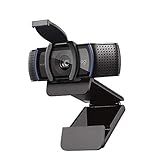
The workhorse for client calls, product demos, and live selling. Sharp enough for video meetings, includes a privacy shutter, and it is a widely used model, so it just works with most setups. A good fit for freelancers who spend half their week on camera.
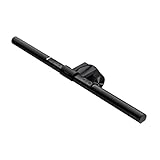
A bar light that sits on top of your monitor and lights the desk without glare on the screen. Pricey for a lamp, but if you pack orders or work evenings at the same desk, you will notice the difference. It earns its place in a late-night side hustle.
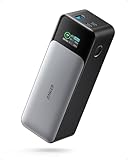
A high-capacity power bank for craft fairs, pop-ups, and farmers markets where you are running a card reader and your phone all day. Overkill if you only work at home; worth it if your business travels.
None is essential on day one. The camera is the cheapest upgrade with the most visible effect; buy the power bank only if you sell in person; skip the light until evening work is regular.
Bottom line
You do not need to be an accountant to keep tidy books for a side hustle. You need a business-only card, a business-only purchasing account, a receipts folder, and a monthly twenty-minute check-in. A separate Amazon Business account is a convenient way to handle the purchasing piece if you buy on Amazon regularly; if you do not, a labeled login and good folders will do the job. Either way, the principle is simple and worth repeating: keep business and personal spending separate, and bring your questions to a tax professional.
Editor’s shortcut
Ready to separate the books?
Check the current account details and signup requirements on the Amazon Business page, then route your next supply order through it.
Do I need a business entity to open an Amazon Business account?
Requirements vary and can change, so check the signup page for current terms. In general, side hustlers should look at what the page asks for and talk to a tax professional if they are unsure how their activity is classified.
Can I just use my personal Amazon account and a spreadsheet?
You can, and many people do. It works if your volume is low and you label orders as you go. A separate account removes the sorting step, which is why it suits people who buy for the business frequently.
Should I use a separate credit card for my side hustle?
It is one of the easiest ways to keep records clean. When the card is used only for the business, the statement itself becomes a record of business spending. Keep personal purchases off it.
How long should I keep receipts?
That is a question for a tax professional, because retention guidance depends on your situation and location. A safe habit is to store receipts digitally by year and not delete anything until you have asked.
What if I already mixed personal and business purchases this year?
You are in good company. Start by separating going forward, then do a first-pass cleanup of past orders using your statements and order history. Bring anything uncertain to a tax professional rather than guessing.
Is this article tax advice?
No. It is a shopping and organization guide. The only principle we rely on is to keep business and personal spending separate and to consult a qualified tax professional about your specific situation.
Notice something? This site is clean and clutter-free — no banner ads, no pop-ups, no sponsored posts. Instead, some articles use affiliate links. You get a better browsing experience, we get a small commission if you buy. We only recommend things we'd actually tell a friend about.