Short answer: is Kindle Unlimited worth it in 2026? For most people who read more than one book a month, yes — but only if you read the kinds of books that actually live in its catalog. I've had it on and off for three years, read somewhere north of 200 books through it, and canceled it twice when it stopped earning its keep. This is the honest version, not the "sign up right now" version.
Read everything in this list for free
Most of these picks are on Kindle Unlimited. The free trial covers a month of unlimited reading.
Try Kindle Unlimited free →- Top pickThe Midnight Library by Matt Haig~$13
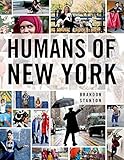
- Worth the splurgeHumans of New York by Brandon Stanton~$25
I'm not a casual reader. I finish 8–12 books a month, split between commutes, bedtime, and an embarrassing amount of time on the treadmill with earbuds in. That's the perspective this review comes from — not someone who reads two books a year and is trying to decide between that and a library card.
Amazon offers a free trial period, so you can browse the current catalog yourself and see if your genres are actually well-stocked before paying a cent. Cancel anytime if it's not for you.
Start my free trial →What's actually in the Kindle Unlimited catalog
Kindle Unlimited is a monthly subscription with a rotating catalog of ebooks and audiobooks (through the Audible/KU crossover selection) that you can borrow instead of buy. Here's the part that surprises new subscribers: it is not "every Kindle book." It's a specific, self-published-and-midlist-heavy library, and the mix matters more than the size.
What you'll find a lot of: romance (especially indie and Kindle Vella-adjacent series), fantasy and sci-fi with big backlists, cozy mysteries, self-published thrillers, and a genuinely deep well of indie authors who've built entire careers inside the KU ecosystem. If you're the kind of reader who devours a 12-book series in a month, this is where KU shines hardest — the per-book cost of a binge read basically disappears.
What you'll find less of: brand-new hardcover releases from the Big Five publishers, most bestseller-list nonfiction, and backlist classics that publishers keep behind traditional retail pricing. Some of it rotates in and out unpredictably — a title that was included last spring might not be there next month. Because the exact catalog and pricing change, always check the current lineup and price on the signup page before you commit; don't take anyone's word (including mine) for what's in there today.
Who Kindle Unlimited is actually worth it for
Based on three years of actually using it, the people who get real value fall into a few overlapping camps:
- Series binge readers. If you read fantasy, romance, or cozy mystery series that run 8+ books deep, KU's per-book math wins almost every time.
- Indie and self-published fiction fans. A huge amount of the best romance and specfic being written right now is self-published and lives primarily on KU. If that's your genre, the catalog depth is genuinely impressive.
- People who read on their phone during dead time. Commutes, waiting rooms, lunch breaks. The app makes borrowing frictionless enough that you'll actually use those 15-minute windows instead of scrolling.
- Anyone who reads 3+ books a month. Once you cross roughly three ebooks a month, KU's monthly price usually undercuts buying each one individually — even at discounted ebook prices.
Who should skip it
Here's the skeptical part, because I don't think every reader should sign up. Skip it, or at least pause it, if:
- You mostly read new releases and bestsellers. The books everyone's talking about on release week are rarely in the KU catalog. You'll end up buying them anyway, and paying the subscription on top.
- You read fewer than 2 books a month. The math doesn't work. A library app or occasional ebook purchase will cost you less over a year.
- You're loyal to physical books. KU is ebook- and (partially) audiobook-first. If you want the object — the cover, the shelf, the highlighter marks — this doesn't replace that habit.
- You want guaranteed audiobook access. Only a portion of KU titles include the audiobook alongside the ebook (look for the headphone icon). If audio is your primary format, this is the single biggest thing to verify before subscribing, not after.
Kindle Unlimited vs. buying books vs. library apps
The real competition for Kindle Unlimited isn't "reading nothing." It's your library's app (usually Libby, sometimes Hoopla) and just buying ebooks outright. Here's how they actually compare, side by side, based on how I use all three.
| Kindle Unlimited | Buying ebooks/print | Library app (Libby) | |
|---|---|---|---|
| Price | Monthly subscription (confirm current price on the signup page) | Pay per book, $0–$30+ depending on format | Free with a library card |
| Selection | Deep in indie/self-published fiction and series; thinner on new releases and bestsellers | Anything currently in print or ebook, no restrictions | Strong on bestsellers and new releases, but limited copies and long holds waits |
| Audiobook access | Partial — only titles with the audiobook icon included | Full access if you buy the audiobook separately (Audible, etc.) | Yes, usually included, same hold-wait issue as ebooks |
| Offline reading | Yes, download to your Kindle app or device | Yes, fully yours once purchased | Yes while checked out, returns automatically at due date |
| Keep it forever? | No — borrowed, returns to the pool if you unsubscribe | Yes | No — returns automatically |
| Wait times | None — borrow instantly from what's in the catalog | None — buy and read immediately | Often weeks for popular titles |
My actual approach, after years of testing all three: Libby first for anything I want instantly and don't mind waiting on, Kindle Unlimited for binge-reading series and indie fiction, and outright purchases for the handful of books each year I know I'll reread or want on a shelf. They're not mutually exclusive — that's the point most either/or comparisons miss.
The reading math that actually decides it
Skip the marketing copy and do this instead: pull up your last three months of book purchases or holds. Count how many books you finished. If it's fewer than two a month and mostly new releases, KU probably isn't worth it right now — a library app will cost you nothing and cover most of what you want, with the tradeoff being wait times.
If you're reading three or more books a month, especially in romance, fantasy, cozy mystery, or thriller — genres where KU's catalog is deepest — the subscription usually pays for itself within the first two or three borrows compared to buying each one. The free trial exists specifically so you can test this against your own reading habits instead of trusting a review (mine included) to tell you. Browse the catalog in your actual genres before the trial ends, and decide from there.
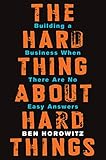
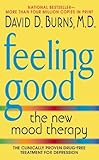
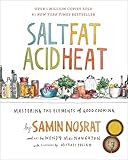
One more honest note: I keep a running list of backlist favorites that I buy outright rather than rely on catching in rotation, because they're the kind of books I want to underline, lend out, and reread in five years. A few of mine below — worth owning regardless of what your KU subscription status is.

The only way to know if Kindle Unlimited is worth it for your genres is to look yourself. Start the free trial, browse your usual shelves, and cancel before it renews if it's not a match.
Try Kindle Unlimited free →Frequently asked questions
Is Kindle Unlimited worth it in 2026?
For readers who finish three or more books a month, especially in romance, fantasy, cozy mystery, or thriller, yes — the subscription typically pays for itself within a few borrows. For casual readers or people who mainly want new releases and bestsellers, a library app or buying individual ebooks usually makes more sense. Check the current price and catalog on the signup page before deciding.
How many books do you need to read to make Kindle Unlimited worth it?
As a rough rule, once you're reading about two to three ebooks a month in genres KU covers well, the subscription price usually beats paying for each book individually. Below that, it's a closer call and depends on whether you'd have bought those books anyway.
Does Kindle Unlimited include audiobooks?
Some titles include audiobook access alongside the ebook — look for the headphone icon on the title's page — but it's not universal across the catalog. If audiobooks are your main format, verify a title includes audio before assuming it's covered.
Is Kindle Unlimited better than the library (Libby)?
They're not really competitors — they're complements. Libby is free and strong on new releases and bestsellers but comes with hold waits. Kindle Unlimited has no wait times and is much deeper in indie and self-published fiction, but thinner on brand-new mainstream releases. Heavy readers often use both.
Can you keep books you read on Kindle Unlimited?
No. Kindle Unlimited titles are borrowed, not owned — if you cancel your subscription or the title rotates out of the catalog, you lose access. For books you want to keep permanently or reread for years, buying the ebook or print copy outright is the better move.
Is there a free trial for Kindle Unlimited?
Amazon periodically offers a free trial period for new subscribers, which is the best way to test whether your specific reading genres are well-represented in the catalog before paying. Confirm current trial terms and pricing on the signup page, since offers change.