How do Audible credits work? Short version: a credit is a pre-paid token bundled into your membership that you redeem for one audiobook at checkout instead of paying cash — and it works the same whether that book costs $8 or $45. That flat-rate mechanic is why credits are worth understanding: used well, they turn the most expensive audiobooks in the catalog into your cheapest listening. Used carelessly, they disappear on books you'd have grabbed for $6 anyway, or expire before you open the app. This guide covers exactly how credits are earned, spent, and lost, plus the habits that keep you from wasting one.
Books on your commute
Audible's free trial gets you your first audiobook on the house — cancel anytime and keep it.
Start your free Audible trial →- Top pickHumans of New York — Brandon Stanton~$25 to buy — a strong credit pick
- Best budgetAtomic Habits — James Clear~$13 to buy — better bought with cash
If you're not already a member, Audible Premium Plus Annual loads your credits upfront instead of trickling one in per month — a steadier supply, less to think about. Pricing and exact credit terms are confirmed at signup, so check the current details before you commit.
See Audible Premium Plus Annual →
What an Audible credit actually is
A credit isn't a coupon or a percentage discount — it's a unit of currency inside Audible's own economy, worth exactly one audiobook at checkout, regardless of that book's list price. That's what trips people up: a credit doesn't scale with price the way a gift card balance does. Spend it on a $9.99 novella and you've "paid" the same one credit you'd pay for a 40-hour, $40 unabridged biography. A credit's real dollar value only gets fixed at the moment you use it — and it's highest on the priciest title you redeem it for.
At checkout, Audible shows both options side by side — "Buy with 1 Credit" or "Buy with card, $X.XX" — so you're never guessing. That comparison is the single most useful button on the site, and the one most members ignore out of habit.
How credits are earned: the membership tiers, roughly
Audible issues credits based on your plan. The general shape below — treat exact figures as approximate and verify them on Audible's own pricing page before signing up, since plans do shift:
| Plan | Credits | Billing | Best for |
|---|---|---|---|
| Audible Plus | None — unlimited streaming from a rotating catalog instead | Monthly | Casual listeners |
| Premium Plus | 1 credit per billing cycle | Monthly | Steady, one-book-a-month listeners |
| Premium Plus Annual | A full year's credits loaded upfront | Once a year | Regular listeners wanting a lower cost per credit |
You can also buy extra credits directly, without changing plans — useful for box sets, or when a series drops all at once and you don't want to wait a month between installments.
What happens to credits you don't use
This is what people worry about most, and the honest answer is: it depends on your account, so check it yourself rather than trust a blanket rule. Generally, unused credits typically roll over for a period while you stay an active member — they don't vanish the moment a new billing cycle starts. What changes things is cancellation: credits tied to an inactive membership are usually on a shorter clock than credits in an active one. Your account's "Credits" page shows your balance and any expiration dates, and that page is the actual source of truth.
Practical takeaway: check that page every few months. If you see an expiration date, treat that credit as a "spend this soon" item, not a "someday" item.
Mistakes people make with credits
- Spending a credit on a cheap book. If a title costs $7–$10 outright, paying a credit for it is close to the worst trade available.
- Ignoring the checkout comparison. Audible puts both prices in front of you. Skipping past it out of habit is how most people lose value without noticing.
- Letting credits pile up for a year or more. A stockpile feels like savings, but it's also a stockpile at risk if your membership status changes. Redeemed books are yours forever — unredeemed credits are the ones exposed.
- Buying a book with a credit, then buying it again in print. Check whether Audible's add-on ebook pricing beats buying it separately later.
- Forgetting about a credit entirely. The most common way credits get wasted isn't a bad decision — it's no decision at all.
- Splitting a series inconsistently. Decide upfront whether you're using credits for a whole series or none of it, so you don't lose track of what's already paid for.
How to never waste a credit: the checklist
- Save credits for the expensive stuff. Long nonfiction, big biographies, box sets, anything north of $25 — that's where the flat-rate math works hardest for you.
- Buy the cheap stuff with cash. Anything under $10–$12 is usually a better cash purchase than a credit purchase.
- Glance at the checkout comparison every time. Two seconds tells you whether this is actually a good use of the credit.
- Check your balance and expiration dates on a schedule. Once a quarter, open your account page and act on anything with a date attached.
- Keep a running wish list. When a credit's about to expire, having titles already queued means you're never scrambling into a cheap default.
- Use extra credits for series and box sets rather than spreading purchases across many separate months.
- If you're thinking about canceling, spend down your balance first. Redeemed audiobooks stay yours; unredeemed credits are the exposed ones after cancellation.
Audiobooks worth spending a credit on (and a few you shouldn't)
Here's the theory applied to real titles — books expensive enough that a credit is clearly the right call, and a couple where cash is actually smarter, so you can see the math in practice.


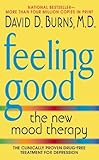
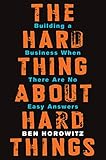
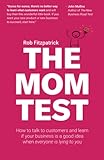

The pattern: the higher the list price, the more sense it makes to hand over a credit instead of a card. Anything under roughly $12–$15 is usually a coin flip at best.
Audible Premium Plus Annual is the simplest way to get a steady, upfront supply of credits if you're starting from zero — no monthly trickle to track. Double-check current pricing and credit terms on the signup page, since Audible updates these periodically.
See Audible Premium Plus Annual →
Do Audible credits expire?
Credits can expire, and the exact timeline depends on your account and membership status — active members generally see credits roll over for a period, while credits tied to a canceled or lapsed membership are typically on a shorter clock. Your account's Credits page shows any expiration dates that apply to you. Check it directly rather than relying on a fixed number, since Audible's terms can change.
Can you get a refund for an Audible credit?
Audible allows returns on many audiobook purchases within a limited window, which effectively gives you the credit back if a title turns out to be a bad fit. This isn't unlimited — heavy repeated returns can get flagged. Check your account's return policy details before assuming any purchase is refundable, since eligibility can depend on the title and your history.
How many credits does Audible give you per month?
Standard Premium Plus membership issues one credit per monthly billing cycle. Premium Plus Annual loads a full year's worth upfront rather than doling them out month by month. Audible Plus, the lower tier, doesn't issue credits at all — it works on unlimited streaming from a rotating catalog instead. Confirm current allotments on Audible's plan page, since offerings do get adjusted.
What's the difference between Audible Plus and Premium Plus?
Audible Plus is unlimited streaming access to a specific, rotating selection — no credits, no ownership, access ends if you cancel. Premium Plus adds a monthly credit redeemable for basically any audiobook in the full catalog, and titles bought with a credit are yours to keep permanently, even after you cancel. If you want an actual personal library, Premium Plus (monthly or annual) is the tier that gets you there.
Do unused Audible credits roll over to the next month?
Generally yes, for active members — credits you don't use in a cycle typically carry forward rather than disappearing when a new billing period starts. This is exactly the kind of detail that can shift, so treat it as a general rule and confirm your specific balance and expiration windows on your account's Credits page rather than assuming.
Is it better to use a credit or buy the audiobook outright with cash?
Compare the credit against the audiobook's actual list price at checkout — Audible shows both numbers side by side. As a rough rule, if a book costs more than roughly $15–$20 outright, redeeming a credit is usually the better trade. Closer to $8–$12, paying cash and saving the credit is usually smarter. When in doubt, check the exact price shown at checkout before deciding.
Can I buy extra Audible credits without changing my membership plan?
Yes — Audible lets members purchase additional credits directly, separate from your regular monthly or annual allotment. Useful for grabbing several books in a series at once, or when something you want drops mid-cycle and you don't want to wait for your next scheduled credit. Pricing for extra credits is shown at purchase time in your account.