Short answer: Audible Premium Plus Annual is worth it if you already know you'll use every credit it gives you — and it's a bad deal if you're the type who lets three unused credits pile up before you even remember you have a subscription. The entire decision comes down to one honest question: are you a consistent listener, or an aspirational one? Everything below is the math that answers it, plus an honest look at who should just stay on monthly.
Books on your commute
Audible's free trial gets you your first audiobook on the house — cancel anytime and keep it.
Start your free Audible trial →- Top pickAtomic Habits by James Clear (Audiobook)~$13
- Worth the splurgeHumans of New York: Stories by Brandon Stanton (Audiobook)~$25
Audible has run two very different offers under the "Audible" name for years — a free trial for new members, and a Premium Plus Annual plan for people who already know they're staying. This article is only about the second one: paying for a full year of Premium Plus up front instead of billing monthly.
Annual vs. monthly: what you're actually comparing
Both plans get you the same core membership — Premium Plus, meaning credits toward any audiobook in the catalog plus the rotating Plus Catalog of included titles, podcasts, and Audible Originals at no extra credit cost. The difference isn't the product. It's how you pay for it and how the credits show up.
| Premium Plus Monthly | Premium Plus Annual | |
|---|---|---|
| Billing | Charged every month, indefinitely, until you cancel | One charge, up front, covering a full 12 months |
| Credits granted | One credit added each billing cycle, as you go | A year's worth of credits allocated as part of the annual plan — confirm the exact number and any bonus credits on the signup page, since Audible has adjusted annual offers before |
| Effective cost per credit | Whatever the monthly rate is, full stop — no discount for committing | Structured to come out to less per credit than paying monthly, because you're prepaying a full year instead of Audible collecting twelve separate payments |
| Flexibility | Cancel any month, no commitment beyond 30 days | You've committed the money up front; cancellation and refund policy on unused portions varies — check current terms before buying |
| Best for | New listeners, inconsistent listeners, anyone testing the habit | Established listeners who reliably use a credit a month and want to stop thinking about the bill |
How the credit math actually works
Here's the mental model that makes this simple: a credit is a credit. Whether you get it from a monthly charge or from a lump annual allocation, one credit still buys one audiobook of your choosing, regardless of that book's list price. That's true on both plans. The only thing that changes with Annual is how you pay for the right to get those credits — one transaction instead of twelve.
Why does prepaying come out cheaper per credit? Because Audible, like basically every subscription business, prices annual commitments to reward the customer for reducing billing overhead and churn risk. You're trading flexibility for a lower effective rate. That's the entire pitch of every annual plan you've ever seen, from streaming services to gym memberships, and Audible's version follows the same logic. The magnitude of that discount changes over time and by promotion, so the only way to know exactly how much you're saving right now is to compare the current annual price against twelve months of the current monthly price on the actual signup page — the math is simple once you have both real numbers in front of you, and neither of us should guess at figures Audible could update tomorrow.
The math only works in your favor, though, if you actually use the credits. A credit that expires unused (Audible generally gives you a window to redeem rolling credits, but don't assume unlimited banking) is money you already spent and got nothing for. Prepaying for twelve credits you use is a discount. Prepaying for twelve credits and using four is the worst version of this deal.
What else comes with Premium Plus, annual or monthly
Credits get all the attention, but Premium Plus membership includes more than the one-credit-per-month math implies. You get access to the Plus Catalog — a rotating library of audiobooks, Audible Originals, and podcasts you can listen to without spending a credit, swapped in and out over time. You keep any audiobook you buy with a credit permanently, even if you cancel later. And members get discounted pricing on additional audiobooks purchased outside their credits, which matters if you're a heavy listener who blows through your allotment most months.
None of that changes between monthly and annual. What changes is only the billing structure and the effective price per credit. If you're trying to decide whether Premium Plus itself is worth having at all, that's a separate question from annual vs. monthly — and if you're on the fence about the membership generally, start with a free trial before locking into a full year.
Audiobooks worth spending your first credits on
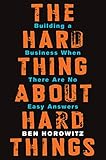
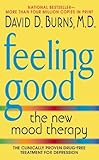
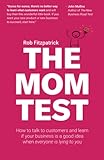
If you do commit to the annual plan, the fastest way to make the math work in your favor is to actually redeem credits instead of letting them stack up unused. Here are seven audiobooks worth burning your first several credits on — a mix that covers business, memoir, self-help, and fiction so there's a reasonable start regardless of what you usually read.



When monthly is actually the better choice
This is the part most Audible content skips, so here it is plainly: the annual plan is not automatically the smart move. It's the smart move for a specific kind of listener, and a bad one for everyone else.
Skip Annual and stay monthly if:
- You're new to Audible. You don't yet know if you'll actually use a credit every month once the novelty wears off. Start monthly — or with a free trial — and only move to annual once you've proven the habit to yourself with real months of use, not intentions.
- Your listening is seasonal or unpredictable. Heavy listener during a long commute, then nothing for two months when your schedule changes? Monthly billing lets that ebb and flow without you having prepaid for months you won't use.
- You tend to let credits pile up. Be honest with yourself here. If you currently have unused credits sitting in your account right now, more prepaid credits won't fix that behavior — they'll just mean more unused inventory.
- You're not sure you'll stay a full year. Life changes. Monthly billing means the cost of changing your mind is one month, not a year's prepayment you have to sort out a refund or credit-usage plan for.
- You want to test a price change or new plan structure first. Audible occasionally updates its offers. If you're unsure exactly what the current annual plan includes, run one billing cycle on monthly, confirm you like the experience, then decide.
The annual plan rewards certainty. If you don't have that certainty yet, monthly is the more honest choice — and you can always switch to annual later once you do.
How to decide, in one pass
Pull up your Audible listening history if you have one. Count how many of the last twelve months you actually redeemed a credit. If the number is close to twelve, the annual plan is very likely to save you money over a year of monthly billing, and the only remaining step is comparing the live annual price against twelve months of your current monthly rate on the signup page to see the exact gap. If the number is closer to six or eight, run the same comparison, but also weigh whether the savings on the credits you'll actually use outweighs the risk of credits you might waste. If you don't have a listening history yet because you're new, don't guess — start monthly, build three or four months of real data, then revisit annual with actual numbers instead of a hunch.
Is Audible Premium Plus Annual worth it?
Yes, for consistent listeners who reliably redeem a credit most months — prepaying for a year is structured to work out to less per credit than paying month to month over the same period. It's a weaker deal for anyone who lets credits sit unused, since you're prepaying for value you may not end up claiming. Check your own listening history before deciding, and compare the live annual price against your actual monthly rate on the signup page.
How many credits do you get with Audible Premium Plus Annual?
You're allocated a year's worth of credits as part of the annual plan, generally mirroring what you'd accumulate paying monthly over twelve months, sometimes with a bonus credit or promotional extra layered on top depending on the current offer. Audible has changed the specifics of annual promotions before, so confirm the exact credit count and any bonus terms on the current signup page rather than relying on last year's numbers.
Can you cancel Audible Premium Plus Annual mid-year?
You can typically cancel at any time, but because you've already paid for the full year up front, what happens to the unused portion — a prorated refund, credit toward something else, or simply forfeiting the remaining months — depends on Audible's current cancellation policy at the time you signed up. Read that policy on the signup page before purchasing so you know exactly what mid-year cancellation looks like, rather than assuming it works like a monthly plan.
Is Audible Premium Plus Annual cheaper than paying monthly?
Per credit, generally yes — that's the entire structural reason the annual plan exists. Prepaying a full year removes the overhead of twelve separate transactions, and Audible prices the annual plan to reflect that. The exact dollar gap between annual and twelve months of monthly billing changes with current pricing and promotions, so the only reliable way to see your real savings is to compare both numbers live on the signup page before you buy.
Do unused credits roll over on the annual plan?
Audible credits generally roll over and accumulate for a period even if you don't use them the month they're granted, but they aren't necessarily good forever, and the exact rollover window can differ between how monthly and annual plans structure things. Don't plan around an assumption here — check the specific rollover and expiration terms listed on the signup page for the annual plan before you commit a full year of payment to it.
What's included in Audible Premium Plus beyond the credits?
Access to the Plus Catalog — a rotating selection of audiobooks, Audible Originals, and podcasts you can listen to without spending a credit — plus member discounts on additional audiobook purchases beyond your credits, and permanent ownership of anything you redeem with a credit even if you later cancel. This is identical whether you're on monthly or annual billing; the membership benefits don't change, only how you pay for them.
Who should just stay on the monthly Audible plan?
Anyone new to Audible who hasn't yet proven to themselves that they'll use a credit most months, anyone whose listening habits are seasonal or unpredictable, and anyone who currently has unredeemed credits sitting in their account. The annual plan rewards proven, consistent use. If you don't have a track record yet, build one on monthly first, then revisit annual with real data instead of a guess.