Every under-sink cabinet promises the same thing in the store display: matching bins, a spinning turntable, everything squared away like a pantry showroom. Then you get it home, open the doors, and remember that a drainpipe, a P-trap, a garbage disposal unit, and sometimes a water filter housing are all sitting exactly where the photo showed empty floor space. Under-sink storage fails for one boring, structural reason: almost every system on the market is designed for a rectangle, and almost every under-sink cabinet is not one. This is about the systems that actually work around real plumbing, not the ones that look great in a listing photo and then sit half-assembled in a closet twenty minutes later.
- Top pickAnker Cable Management Box~$26
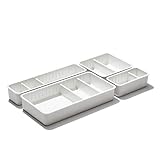
- Best budgetOXO Good Grips POP Container (3.4qt)~$16
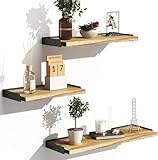
- Worth the splurgeBayka Floating Shelves (Set of 3)~$36 for set of 3
The real problem is the pipe, not the clutter
Before you buy anything, measure around your plumbing, not just your cabinet. Most kitchen and bathroom sink cabinets have a P-trap running roughly 6 to 10 inches up from the cabinet floor, plus a supply line or two and, in a lot of kitchens, a garbage disposal hanging down dead center. That obstruction is why a single large bin almost never works — it either straddles the pipe awkwardly or leaves you with two skinny side pockets you can't reach into. The fix is almost always to split your storage into left and right zones that flank the pipe, instead of fighting for one continuous surface.
This is also why so many "as seen on TV" under-sink organizers disappoint people. They're photographed in a cabinet with no plumbing in the way, then shipped to real kitchens where the pipe eats the middle third of the space. Before buying a riser, a drawer, or anything with fixed dimensions, get a tape measure in there and note the height, width, and depth on either side of the pipe, plus the clearance to the underside of the sink basin. Everything gets easier once you have those numbers instead of a guess.
Kitchen sink vs. bathroom sink: different jobs, different bins
These two cabinets get lumped together in every "under-sink organization" roundup, and it's a mistake, because they're solving different problems. The kitchen sink cabinet is mostly a heavy-item problem: dish soap refills, dishwasher pods, trash bags, spray cleaners, and often a garbage disposal switch cord you don't want dangling loose. It needs sturdy, wipeable bins that hold real weight without sagging.
The bathroom vanity is a different animal — smaller items, more moisture, more cords. Hair tools live down there more often than people admit: a flat iron, a blow dryer, sometimes a curling wand, each with its own cord that turns into a tangle within a week. A small cable box solves this better than any bin, because it contains the cords instead of just corralling them loosely, and keeps a hot tool's cord away from anything flammable while it cools.
Tiered risers vs. pull-out drawers vs. tension rods: what actually survives a pipe
These are the three systems you'll see recommended everywhere, and they are not interchangeable. Here's the honest comparison, ranked by how well each one deals with a center pipe:
- Tiered risers (stair-step shelves) — the best option when plumbing runs up the back or center of the cabinet, since the steps are usually narrow enough to sit on either side of it. The tradeoff: cheap ones are flimsy particleboard that sags under a heavy bottle of dish soap within months. Look for metal-frame versions if you're storing anything heavier than sponges.
- Pull-out drawer systems — the most satisfying to use and the worst at handling an off-center pipe. Most kits assume a clear rectangular cavity, and a disposal unit or trap dead center in the drawer's path means it either doesn't close or you lose a third of its usable width. They shine when the pipe runs close to one side wall instead of the middle.
- Tension rods — the cheapest, most flexible, most underrated option, because a rod doesn't care where the pipe is. You install it above the obstruction, not around it. More on this below.
If you don't want to commit to any single system, a set of modular floating shelves adapted as makeshift risers is a smart middle ground — you can cut them to width, stack them at whatever height clears your pipe, and they don't require the precise cavity measurements a boxed riser kit demands.
Pull-out systems: worth the extra money if your cabinet allows it
A true pull-out drawer system — the kind that slides on real glides and lets you see everything at a glance without kneeling — is genuinely the best under-sink experience that exists. It's also the pickiest about cabinet shape, the most expensive option here, and often needs basic tools or a handyman if your cabinet isn't pre-drilled. Before spending $80–150 on one, confirm your cabinet has at least 10 inches of clearance on one full side of the pipe, since almost none of these kits are designed to straddle an obstruction gracefully.
If that clearance doesn't exist, the cheaper move is a set of sturdy modular bins you pull out by hand. It's not motion on a track, but it does the same job — everything comes forward instead of you reaching blindly into the back corner — for a fraction of the price and zero installation.
The tension rod hack nobody puts on the box
This is the cheapest fix on this list and the one people are most surprised by. A basic spring-tension curtain rod, installed a few inches above your cleaning spray bottles, lets you hang them by the trigger handle instead of standing them on the floor. It costs under $10, takes two minutes, and instantly frees up the entire cabinet floor for bins. It also solves the single most annoying under-sink problem: bottles constantly tipping over and leaking onto everything below them.
The second use for a tension rod under a sink is a curtain skirt. If you have an open vanity with no cabinet doors — common in older bathrooms and some furniture-style vanities — a tension rod and a simple café curtain hung just below the sink basin hides the plumbing and storage completely, for less than any cabinet retrofit. It's not just a bathroom trick, either; some open-shelf laundry and mudroom sinks use the exact same fix.
What to store where (and what should never live under a sink)
Once the pipe is accounted for and you've picked a system, the actual sorting is simple. Put your most-used items — daily dish soap, sponge, hand soap refill — in the front zone you can reach without kneeling. Bulk refills and backstock go in the back or up on a riser, since you touch them once a month instead of daily.

And a few things that should never live under a sink, cabinet organizer or not: paper products and cardboard (they wick moisture and mildew fast in a space that's damp by design), pesticides or anything you wouldn't want a curious pet or toddler finding at floor level, and small electronics or anything with exposed circuitry, since even a slow, undetected pipe drip will eventually find them. If it's genuinely flammable, hazardous, or edible, it belongs somewhere else in the house — the under-sink cabinet is for cleaning supplies and backstock, not a catch-all.
Frequently asked questions
What's the best under-sink organizer if I have a garbage disposal in the way?
Skip fixed-cavity riser and drawer kits, since almost none are built to straddle a disposal unit. Split your storage into two independent zones on either side of it using modular bins you can rearrange freely, and use a tension rod above the disposal for hanging spray bottles — it doesn't need floor space at all.
Do tiered risers actually fit around plumbing?
Sometimes. Cheap, fixed-width riser kits often don't, because they're built for an empty rectangular cavity. Metal-frame risers with adjustable feet do better, and a DIY approach using small floating shelves cut or positioned around the pipe gives you the most control over exact placement.
Are pull-out drawer systems worth the money?
Yes, if your cabinet has at least 10 inches of clear space on one side of the pipe or disposal. If the obstruction runs through the center of the cabinet, a true pull-out drawer usually can't accommodate it well, and you're better off with modular bins you pull forward by hand.
How do I stop bottles from tipping over under the sink?
A spring-tension curtain rod mounted a few inches above the cabinet floor is the cheapest fix. Hang spray bottles by their trigger handles instead of standing them up, and they stop tipping, leaking, and rolling into the back corner where you can't reach them.
How often should I clean out the cabinet under the sink?
Every three to four months is realistic for most households, and always immediately after any leak, even a small one. Pull everything out, wipe down the cabinet floor and walls, check for soft or discolored wood (a sign of a slow past leak), and let it air out before restocking.
What should never be stored under a kitchen or bathroom sink?
Paper products and cardboard, since they absorb moisture and mildew quickly in a damp cabinet. Pesticides or anything hazardous within reach of kids or pets. Small electronics or anything with exposed wiring, since a slow undetected leak will eventually reach floor level. Keep it to cleaning supplies, refills, and backstock.
Do I need different products for a kitchen sink versus a bathroom sink cabinet?
Generally yes. Kitchen cabinets need sturdier bins for heavier bottles and bulk refills, plus cord management if there's a garbage disposal switch. Bathroom vanities deal with more moisture and more cords from hair tools, so a small cable box and water-resistant bins matter more than raw weight capacity.