Drawer organizers are one of those things you buy in a fit of optimism, get home, and discover are either a half inch too wide, a half inch too short, or made of a flimsy plastic that warps the first time you open the drawer too fast. The good ones are not glamorous. They are rectangles. But the right rectangles, in the right configuration, will quietly make your kitchen and bathroom and junk drawer feel like someone competent lives there. Here is what actually works.
- Top pickOXO Good Grips Drawer Organizer 4pc~$30
- Best budgetMicroplane Classic Zester/Grater~$15
- Worth the splurgeOXO 17pc Household Tool Set~$50
Measure your drawer first. Yes, really.
The single biggest reason drawer organizers end up in the donate pile is that people skip the measuring step. Every drawer in your house is a slightly different size. Cabinet drawers in a 2008 build are not the same as cabinet drawers in a 1970s build, which are not the same as the IKEA dresser in your bedroom. Pull the drawer all the way out, measure the inside width, depth, and height, and write the numbers down before you buy anything. The whole rest of this article assumes you have done that.
The second biggest reason: people buy a single fixed tray when they actually need modular pieces. Modular wins almost every time. Fixed trays force your stuff to fit the organizer. Modular pieces let the organizer fit your stuff.
The kitchen utensil drawer: OXO modular bins
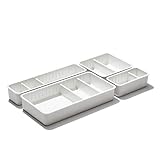
This is the gold standard for utensil drawers, and the reason it gets recommended by everyone from Wirecutter to your friend who has a labeled pantry. The OXO Good Grips set comes with multiple sizes, non-slip feet on the bottom so they do not slide every time you yank the drawer, and the dimensions actually correspond to standard kitchen drawer sizes. You can fit them in a 21-inch drawer or a 14-inch drawer with a little arrangement. They do not warp. They wash in the sink.
The trick with these is to lay everything you want in the drawer out on the counter first, group it by frequency of use, and then place the bins around what you actually reach for. Spatulas and tongs in the front. Whisks and the garlic press in the back. Random plastic measuring spoons you have not used since 2019 in a different drawer, or honestly, in the trash.
The junk drawer: tame it with a cable box and small bins
Every house has a junk drawer. The goal is not to eliminate it. The goal is to keep it from becoming a tangled archaeological dig where you spend twelve minutes looking for a single AAA battery. Two pieces solve 80% of this problem. The first is a cable management box, which sounds like it belongs under your desk but is actually perfect for the junk drawer because it corrals chargers, cords, and the dozen random USB cables that breed in there overnight.
The second is the OXO bin set above, used in the same drawer for batteries, scissors, tape, pens, and the screwdriver you swear you will put back in the toolbox someday. Cable box on one side, OXO bins on the other, and you have a junk drawer that functions like a real piece of storage.
The dresser drawer: vacuum bags for off-season clothes
This is a slight stretch on the topic, but bear with me. The single fastest way to make your dresser drawers actually fit your clothes is to take everything you are not wearing this season out of them. Vacuum storage bags compress sweaters, comforters, and bulky items down to about a third of their original size, which means you can store off-season clothes flat under the bed, in the top of a closet, or in the bottom of a deep dresser drawer that was previously useless because nothing fit.
The 10-pack from Spacesaver gives you enough capacity to do a full seasonal swap. They work with any standard vacuum cleaner. Roll-up versions exist if you do not own a vacuum, but the suction-based ones compress more efficiently.
The pantry drawer: matching containers, not loose bags
If your pantry is a deep drawer rather than a cabinet (increasingly common in modern kitchens), the rule changes. Loose bags of pasta and cereal slide around, fall over, and waste two-thirds of the available vertical space. Stackable, airtight containers solve this. The OXO POP containers are the best of the bunch because the lid pushes down to seal and pulls up to release, the stacking is genuinely stable, and the modular sizing means a 3.4qt container nests next to a 1qt container without weird gaps.
You do not need to do the full Pinterest pantry-makeover where every grain has its own labeled jar. Five or six containers for the things you actually use weekly (flour, sugar, pasta, oats, coffee) is enough to make the drawer look intentional and stop the cardboard-box avalanche.

The tool drawer: a dedicated tool roll, not a jumble
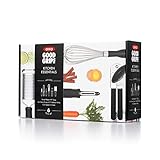
If you have a drawer that doubles as a tool drawer, the answer is not more bins. It is a real, contained tool set with its own organizer. The OXO 17-piece tool set comes in a fitted case, which means the tools live in the case, the case lives in the drawer, and you never again have to dig through loose screwdrivers to find a Phillips head. When you need a tool, the case comes out. When you are done, it goes back. The drawer stays usable for everything else.
This is also a good gift for anyone moving into a first apartment. It covers basic household repairs without overcommitting to a full toolbox.
The kitchen gadget drawer: graters, zesters, small tools
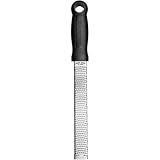
The drawer with the lemon zester, the can opener, the vegetable peeler, and the four other small tools you reach for daily. These are awkward shapes and most organizers handle them badly. The fix is a long, narrow OXO bin (from the set above) for the wide tools, plus a dedicated home for the genuinely useful small ones, like the Microplane zester. A good zester earns its drawer real estate. A bad one gets banished to a back cabinet and forgotten. Buy the good one once and put it in the front of the drawer.
What to skip
Skip bamboo expandable drawer organizers. They look beautiful in the listing photos but warp in any drawer that gets humidity (so, every kitchen drawer), the expanding mechanism slips, and they cost two to three times what the OXO set costs while doing the job worse. Skip "drawer divider" products that are just plastic sticks you wedge in. They never stay put. Skip any organizer that requires adhesive or screws unless you are doing a deep, permanent kitchen overhaul.
Skip the matching set of fifteen identical bins from a TikTok ad. You do not need fifteen identical bins. You need three or four bins of varied sizes, configured around what you actually own.
FAQs
How do I measure a drawer for organizers?
Pull the drawer fully out. Measure the inside width (left to right), inside depth (front to back), and inside height (bottom to top of the side wall, not the cabinet face). Write down all three numbers and bring them when you shop. The most common mistake is measuring the outside of the drawer face instead of the usable interior.
Are bamboo organizers worth it?
For dry drawers (bedroom, office, bathroom away from the sink), bamboo can work and looks nicer than plastic. For kitchen drawers, dishwasher-safe BPA-free plastic like the OXO line is more practical. Bamboo warps with moisture and the expandable versions slip out of position over time.
What is the best organizer for a deep drawer?
Deep drawers (over 4 inches tall) need vertical dividers or stackable containers, not flat trays. For a deep utensil drawer, two layers of OXO bins stacked work well. For pantry drawers, the OXO POP containers stack stably and use the height efficiently. For dresser drawers, fabric drawer dividers or vacuum bags for compressed off-season clothes.
How do I keep organizers from sliding around?
Look for organizers with non-slip feet or rubberized bases. The OXO drawer set has non-slip feet built in. If your existing organizers slide, a thin sheet of non-slip drawer liner underneath solves it for under $10.
How many organizers do I actually need per drawer?
For most drawers, three to five pieces of varied size beats a single fixed tray or a dozen identical small bins. The goal is to match the organizer to the contents, not to fill the drawer with as many compartments as possible. Group items by frequency of use and place the most-used items in front.
Can I use kitchen organizers in a bathroom drawer?
Yes, the OXO Good Grips set is designed to work in both. Plastic, dishwasher safe, and the modular sizes that fit kitchen drawers also fit standard bathroom vanity drawers. For makeup specifically, you may also want a dedicated acrylic insert with smaller compartments for lipsticks and eyeliners.