Somewhere between the front door and the second meeting of the day, your tights have migrated three inches south of where you put them. Your socks have pooled around your ankles inside your boots. You've hitched, tugged, and readjusted in a bathroom stall more times than you'd like to admit. This isn't bad luck and it isn't a you problem — it's a fabric and engineering problem, and it has a real, fixable answer that has nothing to do with buying a bigger size or yanking harder every hour. Here's what's actually happening in the elastic, what to buy instead, and what to stop buying entirely.
- Top pickComrad Companion Compression Socks (20–30 mmHg)~$35
- Best budgetSpacesaver Premium Vacuum Storage Bags (10-pack)~$28
- Worth the splurgeBirkenstock Arizona Sandals~$110
Why tights and socks slide in the first place
Every sliding sock or drooping tight comes down to one mechanism: the elastic fiber (spandex, elastane, Lycra — same material, different trade names) has either lost its recoil or was never dense enough to hold in the first place. Elastane works by stretching and snapping back, and that snap-back weakens a little every time it's stretched, washed, and dried. A cheap pair with a thin ribbon of elastane in the waistband starts losing meaningful grip within a dozen wears. A well-built pair with a wider elastic band and a higher spandex percentage can hold for a hundred wears or more before you notice any give.
Gravity and friction do the rest. Tights get pulled down by the weight of the fabric below the waistband every time you sit, walk, or bend, and the waistband has to fight that pull all day. Socks get pushed down by your pant leg, your shoe's heel counter, or just the repeated flex of your ankle as you walk — and if the cuff doesn't have enough grip to resist that push, it loses a little ground with every step until it's bunched at your ankle by 3pm.
The construction details that actually hold (and the ones that don't)
Elastane percentage is the number to actually look at, not the brand name on the packaging. For sock cuffs, look for at least 15–20% spandex or elastane blended into the ribbing — anything lower and you're relying on the cotton or polyester itself to hold shape, which it won't. For tights, the waistband should be a wide (at least 1.5 inch), double-layered elastic band, not a thin folded hem. A single layer of fabric folded over a thread of elastic is the first thing to go.
The other detail worth knowing about: silicone grip bands. A lot of well-made dress socks, over-the-calf socks, and thigh-highs now print a thin bead of silicone directly onto the inside of the cuff. It's the same idea as the grippers inside a bike helmet strap — it doesn't rely on elastic tension alone, it physically adheres to skin. Once you've worn a pair with a silicone band, it's hard to go back to relying on ribbing alone.
Compression socks solve the sliding problem differently, and more completely, than any of the above. Because the pressure is graduated — tightest at the ankle, gradually looser up the calf — a compression sock is engineered to stay exactly where you put it. It's not fighting gravity with a single elastic band; it's using pressure distribution across the whole leg. That's also why compression socks are the one category here where "stays up" and "medical-grade" overlap.
Tights vs. socks vs. compression: what actually fixes what
Not every slipping problem has the same fix. Here's the honest breakdown by category, based on what's actually failing in each one:
| Type | Why it slides | The fix that actually works | Best for |
|---|---|---|---|
| Ribbed crew socks | Elastane in the cuff degrades after ~50 washes; cheap ribbing loosens fast | 15–20%+ spandex in the cuff; replace every 12–18 months, not when they finally fail | Everyday wear |
| No-show / liner socks | No real elastic grip to begin with — relies on the foot's shape | A silicone heel-grip strip on the inside heel tab | Sneakers, flats, loafers |
| Dress / OTC socks | Loose knit, thin top band, too much cotton content | Over-the-calf length with 20%+ nylon or spandex in the knit | Trousers, suiting |
| Tights / pantyhose | Waistband elastic loses recoil; wrong denier or size for your body | Match denier and size to the actual chart, not S/M/L by eye; waistband should sit at your natural waist | Dresses, skirts |
| Thigh-highs | No waistband at all — a grip band is the only thing holding them | Silicone lace band plus correct thigh circumference (not just leg length) | Under trousers, cold-weather layering |
| Compression socks | Not applicable by design — graduated pressure holds them in place | Match mmHg to use case: 15–20 mmHg for all-day wear | Standing all day, flights, mild swelling |
The storage and laundry habits that quietly wreck the elastic
Before you blame the sock, check your laundry routine. Fabric softener coats elastane fibers with a residue that reduces their stretch-and-recoil over time — it's genuinely one of the fastest ways to kill a good pair of tights or compression socks early. Skip it on anything with meaningful spandex content. High heat is the other silent killer: tumble drying on anything above low heat breaks down elastane at the molecular level, which is why a pair of tights that held up fine for months suddenly stops snapping back after a few trips through a hot dryer. Air dry or use the lowest heat setting, every time.
How you store them matters almost as much as how you wash them. Balling up a pair of socks by stretching the cuff of one over the other stretches out exactly the elastic you're trying to protect — do it enough times and you've permanently loosened the part of the sock doing all the work. Folding tights into a tight little roll and cramming them into an overstuffed drawer has the same effect on the waistband over months of pressure. A drawer with actual separated compartments keeps pairs from being crushed against each other and stops the reflexive stretch-and-ball habit that ruins elastic early.
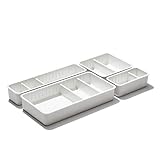
For off-season storage — tucking away wool tights in summer or dress socks you only wear a few months a year — vacuum storage bags are genuinely useful for saving drawer space, but treat delicate silicone-band thigh-highs and lace-top pieces gently; the compression is fine for everyday cotton-blend tights and socks, less fine for anything with a printed silicone grip that could crack under pressure over months.
Shoes, bags, and the small details that make the difference day to day
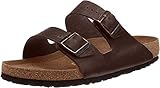
The shoe you're wearing changes what kind of sock or tight failure you actually notice. An open-back sandal or clog shows every bit of a sock that's slipping, which is exactly why the socks-with-sandals trend only works with a cuff that has real grip — a loose ribbed crew sock will look sloppy within an hour in a Birkenstock, while a snugger ribbed style stays put and reads intentional instead of accidental.
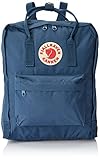
The other overlooked culprit: whatever bag you're carrying a spare pair in. A rough-lined tote or backpack pocket snags delicate knit or nylon fibers every time a pair of tights or thin socks rubs against the lining, which is how a brand-new backup pair develops a run before you've even worn it. A smooth-lined bag with a real interior compartment protects spares the same way a proper drawer protects the pairs at home.
What to skip entirely
- Drugstore multipacks with no size or denier chart. If the package just says "one size fits most" with no denier number and no height/weight range, the elastic content is almost always minimal and the fit is a guess. You're paying for the failure in advance.
- 100% cotton knee-highs. Cotton has essentially no recoil once it stretches. Without a meaningful percentage of nylon or spandex blended in, a cotton knee-high is functionally a tube that will be at your ankle by lunch.
- "Compression" socks under 15 mmHg sold as a miracle cure. Anything below 15 mmHg is closer to a snug regular sock than real graduated compression. It's not fraud, exactly, but it's not going to solve a genuine slipping or swelling problem either.
- Fabric softener on anything with spandex. It coats and weakens the exact fiber that's doing the holding. Use it on towels, not tights.
- High-heat tumble drying. Air dry or use the lowest setting for anything with meaningful elastane. This one habit change extends the life of tights and compression socks more than any purchase will.
Frequently asked questions
Why do my tights always roll down at the waist?
Almost always a worn-out or undersized waistband. The elastic in the waistband loses recoil with every wash and wear, and once it's stretched past its working range it can't grip your natural waist anymore. Check the size chart against your actual measurements rather than guessing S/M/L, and look for a wide double-layered waistband rather than a thin folded hem — that construction detail matters more than brand name.
Does fashion tape or sock glue actually work for slipping socks?
Double-sided fashion tape can work as a temporary fix for a single event — pressed directly against skin on the inside of the cuff, it holds reasonably well for a few hours. It's not a real solution for daily wear, though: it's fussy to apply correctly every morning, it can irritate skin with repeated use, and it does nothing to fix the underlying elastic problem. Treat it as an emergency backup, not a routine.
What percentage of spandex or elastane should socks actually have?
Look for at least 15–20% spandex or elastane in the cuff specifically (not the overall sock, since the body of the sock can be mostly cotton or wool without affecting how well it stays up). Check the tag or product description — reputable brands list fiber content by section, not just an overall blend percentage.
How long should a pair of tights actually hold up before they stop working?
A well-made pair with a proper waistband should hold real elasticity for 30–50 wears with reasonable care (cold wash, no fabric softener, air dry or low heat). Budget tights with thin elastic often start losing grip within 10–15 wears. If you're replacing tights every couple of weeks, the issue is almost always the product, not your laundry habits.
Are compression socks the same thing as "stay-up" socks?
No, though they solve a similar problem differently. Stay-up socks and thigh-highs use a silicone grip band or elastic top to physically anchor the fabric in one spot. Compression socks use graduated pressure across the whole leg, which happens to also mean they don't slide — but the primary purpose is circulation support, not styling. If you don't need the compression, a silicone-band regular sock is usually the more comfortable everyday choice.
Can I fix a pair of tights or socks that have already lost their elastic?
Not really, and it's not worth trying. Once elastane has lost its recoil, there's no washing technique, dryer trick, or home remedy that restores it — the fiber itself has physically changed. The better move is to stop the damage going forward (skip fabric softener, skip high heat, store flat instead of balled up) on your next pair, rather than trying to rescue the current one.