The throw blanket is one of those categories where the range in actual quality is enormous and the price signals are nearly useless. There are $25 blankets that feel like velvet and last five years. There are $300 blankets that pill after two washes. There are weighted blankets that change people's sleep and knit blankets that look stunning but go scratchy after one cold-water cycle. This guide ranks them by what actually matters: how they feel against your skin, how heavy they are relative to what they claim, and whether the price makes sense.
- Top pickBearaby Cotton Napper Weighted BlanketFrom ~$179
- Best budgetUtopia Home Velvet Hangers (50-pack)~$18
The short version: if you want warmth, go fleece or sherpa. If you want luxury feel, go chunky knit or velvet. If you have anxiety or trouble sleeping, try the weighted option first — it's the single blanket category where spending more is genuinely justified. And if you want something that photographs beautifully and holds up, skip the cheap waffle knit and spend the extra $30 on the real thing.
The weighted blanket case: worth every dollar
Let's get the controversial one out of the way first. Weighted blankets have enough research behind them now that recommending one without caveats feels honest rather than credulous. The mechanism — deep pressure stimulation — activates the parasympathetic nervous system, reduces cortisol, and increases serotonin and melatonin production. In plain language: being evenly compressed by a heavy blanket tells your nervous system to calm down. For people with anxiety, sensory processing differences, or general difficulty winding down, the effect is real and repeatable.
The Bearaby Cotton Napper is the one I'd pick. It uses a chunky open-knit cotton weave so the weight (15–25 lbs depending on size) comes from the material itself rather than glass bead fill, which means it breathes instead of trapping heat. The knit is loose enough that you feel it rather than suffocate under it, and the thing looks genuinely good draped over a sofa — not like a medical device. It's expensive ($179 and up) but it's the blanket people buy twice: once for themselves, once as a gift for someone they care about.
The rule for weighted blankets: pick 10% of your body weight, round up to the next available size. A 150lb person goes for the 15lb option. Don't share a weighted blanket between two adults — the weight distribution stops working and it becomes just an expensive regular blanket.
Best softness under $50: the microfiber fleece tier
If the question is simply "what's the softest blanket at the lowest price," the answer is microfiber fleece, and Amazon Basics has quietly been winning this category for years. The microfiber throw is the same logic as their sheets — they use a fiber blend that competes with blankets at 2–3x the price, and it holds up through dozens of washes without pilling or losing its softness.
For tactile comparison: microfiber fleece is closer to the fuzzy inside of a hoodie than a traditional blanket. It's warm but not particularly heavy, which makes it the right pick for people who want something light to pull over themselves on the couch versus something to sleep under. Buy this in a dark color — grey, navy, forest green — because microfiber shows lint from lighter fabrics and you'll have it on your sofa every day.
One flag: cheap fleece blankets (and some that aren't cheap) pill aggressively after machine washing. The Amazon Basics version is notably better about this than its price suggests, but wash cold and tumble dry low to preserve the texture. Warm water and high heat accelerate pilling in any fleece.
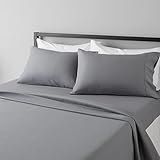
For the aesthetic: chunky knit vs. waffle weave vs. sherpa
This is where the "looks" question and the "feels" question start to diverge. Here's the honest breakdown by type:
Chunky knit: The loopy, oversized-yarn blankets that dominate Pinterest boards and Anthropologie windows. They look incredible in a photo. In reality, the quality range is massive — cheap versions unravel at every loop within a few months, snag constantly on anything with a rough surface (your jeans, your dog, your fingernail), and don't wash well at all. If you're buying chunky knit, spend at least $60–80 for 100% merino or thick cotton. Anything polyester chunky knit at $25 will look terrible in six months. This is the category where you get exactly what you pay for.
Waffle weave: The textured, grid-pattern blankets that look like an elevated hotel extra. They're lighter than they look, breathe well, and photograph beautifully. Real waffle weave in 100% cotton is excellent — slightly cooling in summer, layerable in winter, holds color after washing. The problem: cheap waffle weave loses its texture fast. Look for 100% cotton, not the cotton-poly blends that say "waffle" on the label but behave like any other flat blanket after five washes.
Sherpa: The winner for warmth-per-dollar. A reversible fleece-and-sherpa blanket (smooth fleece one side, fluffy sherpa the other) is genuinely warmer than most blankets at twice the price, machine washable, and nearly indestructible. The aesthetic skews more "cozy cabin" than "interior design shoot" — you know what you're getting. Use it on the bed in winter, not the sofa.
Weight, warmth, and breathability: what the labels don't tell you
Most throw blanket listings bury the actual weight in ounces somewhere in the specs, or don't list it at all. Here's the rough guide by material so you can calibrate expectations:
- Microfiber fleece (50"x60") — typically 1.0–1.5 lbs. Light, warm for its weight, not breathable. Best for: sofa use, kids, cold rooms.
- Cotton waffle weave (50"x60") — typically 1.5–2.5 lbs. Moderate weight, breathable, cooling. Best for: year-round use, warm sleepers, layering.
- Chunky knit (50"x60") — varies wildly, 2–4 lbs depending on yarn thickness. Warm but very breathable through the weave gaps. Best for: decorative use, layering in cold weather.
- Sherpa/faux fur (50"x60") — typically 2–3 lbs. Very warm, low breathability. Best for: cold climates, outdoor use, winter bedding supplement.
- Weighted (60"x80") — 15–25 lbs by design. Fills a different function entirely. Best for: sleep, anxiety, specific therapeutic use.
A note on the "weighted" claims from non-weighted blankets: some fleece and sherpa blankets market themselves as "heavy" at 3–4 lbs for a 50"x60" throw. That's a normal blanket weight. It'll feel slightly substantial but produces none of the pressure effects of a proper 15lb weighted blanket. Don't conflate the two.
The cozy setup: what makes a blanket actually get used
The best throw blanket you buy is the one that's reachable. This sounds obvious but it's genuinely why people have an expensive blanket that lives in a linen closet and a cheap one they actually use — the cheap one is already on the couch. If you invest in a good blanket, put it where you already sit. Drape it over the arm or back of the sofa, fold it across the foot of the bed, or hang it on a ladder or rack where you'll actually see it and reach for it.
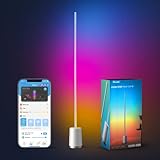
A floating shelf at arm-height from your reading chair, a ladder plant stand near the sofa — these are the small environment tweaks that make a good blanket part of your daily life instead of something you use twice. The Govee lamp below pairs with this: a sofa blanket in a room with warm overhead lighting and no floor lamp is still a room you don't want to spend time in. Get both. The combination is what makes a room actually feel like somewhere you want to be at 8pm on a Tuesday.

What to skip (and the specific scam pattern to watch for)
The blanket category has a specific scam pattern worth naming: premium-looking photography, luxury materials claimed in the headline, and a price of exactly $34.99. These are warehouse-sourced fleece blankets with a thin layer of microfiber and a brand name that doesn't exist in the physical world. The photos show a model in a beautifully lit room with a perfectly draped blanket. The blanket that arrives is slightly smaller than listed, smells like storage, and pills within three washes.
The tells: sizing that lists "50"x60"" exactly (generic factory sizing), a brand name you can't find anywhere except Amazon listings, and a listing with 4.6 stars from 23,000 reviews — which sounds great but usually means they've been selling a steady stream of acceptable-but-not-remarkable product to people who don't return things. What actually signals quality on a blanket listing: a brand with a searchable website and real customer service, a listed weight in ounces or grams (not just "thick and cozy"), fiber content that's specific (e.g., "100% organic cotton" not "premium cotton material"), and a return policy that's easy to find. For chunky knit specifically: a listed yarn weight (bulky/super bulky), fiber content (merino, cotton, or a named poly blend), and a brand that's been selling the same product for at least two years.
Also skip: "weighted" blankets under $40 — the bead fill is almost always plastic pellets packed unevenly, which causes hot spots and lumpiness within months. And skip any blanket that ships from overseas with no domestic return option. The "free returns" checkbox on Amazon doesn't apply when the seller is based overseas — you'll be quoted a $30 international return shipping fee for a $35 blanket.
The blanket as a gift: what works, what doesn't
Throw blankets are one of the best gift categories when done right and one of the worst when done wrong. What works: a weighted blanket for someone with anxiety or sleep trouble (they'll know if this applies to them — ask), a high-quality sherpa in their living room's neutral color, or a cotton waffle weave in a color they've mentioned wanting. What doesn't work: chunky knit unless you're confident about the quality, anything with a novelty print or a sentimental quote printed on it (these go in a closet immediately), or a generic fleece if they already own three.
When in doubt, pair a mid-tier blanket with something that goes with it: a candle, a good book, a Stanley to drink from while wrapped in it. The bundle reads as intentional and thoughtful even when the individual pieces are modest. The Stanley below is the object that will make them think of the whole setup every single time they reach for it — which is frequently, because Stanley users are devoted in a way that borders on cultic.
What weight weighted blanket should I get?
The standard recommendation is approximately 10% of your body weight. A 150lb person would look at the 15lb option; a 200lb person, the 20lb. Round up if you're between sizes — slightly heavier tends to feel better than slightly lighter. Don't go more than 12% of body weight. Weighted blankets are not appropriate for young children, people with respiratory or circulatory conditions, or anyone who can't easily remove the blanket themselves.
Do weighted blankets actually help with anxiety?
The research is genuinely positive, particularly for sleep onset (falling asleep faster), sleep quality, and acute anxiety symptoms. The mechanism — deep pressure stimulation — is well-documented and isn't primarily placebo-dependent. That said, it's not a treatment for clinical anxiety disorder and shouldn't replace professional care. What it is: a real, useful tool that a meaningful percentage of users find significantly helpful for everyday stress and sleep difficulty. Worth trying before dismissing.
How do I wash a weighted blanket?
Check the label first. Most modern weighted blankets can be machine washed cold on a gentle cycle in a front-load washer (the agitator in top-loaders can stress the seams over time). Dry on low heat or air dry. For the Bearaby Cotton Napper specifically: hand wash or a large front-load on cold, reshape immediately after washing, lay flat or drape over a rod to dry. Don't put it in a dryer at high heat — the cotton fibers will shrink unevenly and the shape won't fully recover.
What's the difference between fleece, sherpa, and sherpa fleece?
Fleece is a synthetic fabric (usually polyester) made to feel like wool — lightweight, warm, pill-prone if cheap. Sherpa is a fabric designed to resemble the wool inside a sheepskin jacket — thicker, fluffier, warmer. "Sherpa fleece" is a reversible blanket with fleece on one side and sherpa on the other, and it's usually the warmest option for the price. If you see "sherpa-lined" anywhere, it means the interior-facing layer is the fluffy sherpa material.
How do I keep a throw blanket from pilling?
Wash cold, always. Tumble dry low or air dry. Turn the blanket inside out before washing to reduce surface friction. Don't wash with items that have velcro or rough zippers — they abrade the fibers. For chunky knit specifically: hand wash or use a mesh laundry bag on the delicate cycle. The single biggest cause of blanket pilling is high-heat washing and drying, which breaks down synthetic fibers and bonds them into pills. Natural fiber blankets (cotton, wool, merino) pill far less than polyester ones at the same price point.
What throw blanket is best for a couch?
For daily couch use, the priorities are: machine washable (easy), holds up to regular washing without pilling (medium-weight fleece or cotton), looks good draped (waffle weave and chunky knit win this), and doesn't trap heat when you're sitting rather than lying down (avoid thick sherpa for sofa use). A mid-weight cotton waffle blanket in a solid neutral is the most versatile pick — it photographs well, washes easily, and doesn't look like a stadium blanket when company comes over.