There's a difference between a capsule wardrobe and a weekend uniform, and most closet-planning advice blurs the line until it's useless. A capsule wardrobe is a whole-closet project — you're trying to build out everything you own from scratch, on a budget, with a spreadsheet of cost-per-wear math. A weekend uniform is smaller and much more specific: it's the five things you reach for on a Saturday when you don't want to think, and it's built around one question — how many genuinely different outfits can five pieces actually produce? Not "in theory," the way capsule wardrobe posts always promise, but for real, the way you'd actually wear them to the farmers market, a brunch you almost canceled on, and a walk you didn't plan to take.
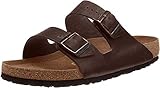
- Top pickBirkenstock Arizona Sandals~$110
- Best budgetVintage Year Classic Cotton Dad Hat~$13
This isn't a "buy nothing, wear everything" manifesto and it isn't a shopping list for an entire closet. It's five specific products, chosen because they combine with each other (and with the jeans, tees, and sundresses you already own) more times than they have any right to. Ten outfits, five pieces, one honest math problem solved.
Why five pieces, and why these five
The trick to a small capsule that actually remixes is picking pieces that do double duty in different directions — one item that swings dressy-casual, one that's purely functional, one that changes the silhouette of everything around it. Pick five things that are all trying to be the "statement piece" and you'll end up with five outfits, not ten, because nothing wants to share the spotlight. The five below were chosen because each one quietly defers to the others: nothing here is loud enough to fight for attention, which is exactly what makes the math work.
The formula is a bag, a shoe, a wrap, a cap, and a beauty basic. That's it. Everything else — the actual jeans, the white tee, the sundress, the shorts — you almost certainly already own. This is about the five accessory-level pieces that turn "whatever's clean" into an outfit that looks intentional.
How five pieces actually turn into ten outfits
This is the part capsule wardrobe posts usually skip, so here it is laid out plainly. Start from a rotating base — a white tee, a chambray shirt, a sundress, denim shorts, and straight-leg jeans, all things you likely already own — and layer the five pieces on top in different combinations. The wrap is the real multiplier here: on or off, knotted differently, it effectively doubles whatever base outfit it touches.
| # | Base (already in your closet) | Uniform pieces added | Where it works |
|---|---|---|---|
| 1 | White tee + straight-leg jeans | Sandals, crescent bag | Coffee run, errands |
| 2 | Same tee + jeans | Add the dad hat | Farmers market, dog walk |
| 3 | Sundress | Sandals only | Brunch, daytime patio |
| 4 | Same sundress | Add the wrap, knotted at the shoulders | Dinner that runs past sunset |
| 5 | Denim shorts + tank | Sandals, bag, hat | Beach day, boardwalk |
| 6 | Same shorts + tank | Wrap around the waist instead of the shoulders | Sunset boat ride, ferry |
| 7 | Chambray shirt (unbuttoned, over a tank) | Sandals, bag | Vineyard or brewery visit |
| 8 | Same chambray, buttoned as a dress | Hat, sandals | Airport or travel day |
| 9 | Slip skirt + fitted tee | Wrap draped, sandals | Evening out with friends |
| 10 | Leggings + oversized tee | Hat, sandals, bag as crossbody | Grocery run, low-key Sunday |
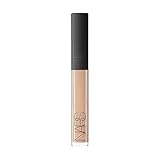
Notice the pattern: the concealer isn't in the "pieces added" column because it's not an outfit decision, it's a baseline — it's on your face by outfit two and stays there through outfit ten. And the wrap does the heaviest lifting of any single item, appearing in four of the ten looks in three different configurations (shoulders, waist, draped). If you only trust one piece here to actually earn its keep, it's that one.
The bag swap, for the days you need two hands free
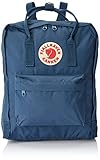
The crescent bag is the default, but it's not the only answer. On days that call for hands-free carrying — a hike that turns into a picnic, a farmers market haul, a flight — swap it for a structured backpack instead. It doesn't break the uniform, it just changes which version of it you're wearing.
What to skip: pieces that look good alone and remix badly
The flip side of a working capsule is knowing what breaks it. Every season there's a piece that photographs beautifully on its own and then sits in the closet because it refuses to combine with anything else you own. A few repeat offenders:
Anything with a loud, single-season print. A bold tropical-print dress is a one-outfit purchase. It doesn't layer under the wrap, it doesn't play nice with the dad hat, and it fights the bag for attention. Great for one specific occasion, useless as a building block.
Statement sunglasses in a shape you'll tire of. Oversized, colored-lens, or novelty-shaped sunglasses date fast and only work with certain face shapes and outfits. A classic shape in a neutral tint remixes for years; a trend shape remixes for one summer, maybe two.
A second "main character" bag. This is the trap: you already have the crescent bag doing quiet, flexible work, and then a structured top-handle bag with hardware catches your eye. It's beautiful. It also demands the rest of the outfit build around it instead of the other way around — which defeats the entire point of a uniform. One quiet bag and one functional backpack is plenty; a third bag in the rotation usually just sits.
Micro-trend shoes. Platform flip-flops, a specific 2024-viral sneaker, anything you saw everywhere for exactly one season — these remix fine while they're trending and look dated the moment they're not. Sandals with a decade-plus track record of being the "obvious right answer" outlast the algorithm.
The through-line: anything that only works with one specific outfit isn't a capsule piece, it's a costume piece. Fine to own, wrong to build a uniform around.
The two-minute test before you buy anything new
Before adding a sixth piece to this five-piece formula, run it through a fast gut check: can you name three different existing outfits it would slot into, off the top of your head, in under two minutes? If you can only think of one, it's a costume piece, not a uniform piece — fine to buy for a specific event, but don't count it as expanding your weekend rotation. If you can genuinely think of three or more without straining, it earns a spot.
This is also the test that explains why the wrap outperforms almost everything else on this list. A cashmere-feel wrap works over a tank, over a sundress, around the waist as a belt-adjacent accent, and folded small enough to live in the bottom of the crescent bag for a chilly evening you didn't plan for. Four uses, one piece, under $20 — that's the entire logic of a weekend uniform in miniature.
Frequently asked questions
Isn't this basically the same as a capsule wardrobe?
Not quite. A capsule wardrobe is usually a whole-closet project — building out tops, bottoms, outerwear, and shoes from scratch on a budget. This is narrower and more tactical: five accessory-level pieces layered onto the basics you already own, specifically to multiply your weekend outfits without buying a new wardrobe.
Do I really need all five pieces, or can I start with fewer?
Start with the sandals and the bag — those two alone will upgrade almost any thrown-together outfit. The wrap is the next highest-leverage addition since it effectively doubles whatever base outfit it touches. The hat and concealer are the fastest, cheapest finishing touches once the first three are in rotation.
What if I don't already own the "base" pieces like a sundress or chambray shirt?
The five uniform pieces still work with whatever base you do own — a plain tee and any bottom you already reach for most. The table above is a template for how the pieces recombine, not a shopping list; swap in your own basics and the same multiplying logic applies.
Why does the wrap show up in so many outfits?
Because it's the one piece that changes an outfit's context without changing the outfit. Draped over the shoulders it dresses something up; knotted at the waist it dresses something down; folded in the bag it's just insurance against a cold evening. No other piece in the formula pulls that much weight.
Is the concealer really part of a "capsule wardrobe" piece?
It's not a garment, but it belongs in the formula because it's the one product that touches every single outfit in the table, not just some of them. A weekend uniform isn't only about clothes — it's about the small number of decisions you make once and then stop thinking about, and a reliable concealer is exactly that kind of decision.
How do I know if a new piece is worth adding to the rotation?
Run the two-minute test: can you name three different outfits it would realistically slot into, off the top of your head? If you're struggling to get past one, it's a costume piece for a specific occasion, not a genuine addition to your weekend uniform.
Do the Birkenstocks work for anything other than casual outfits?
They're built for casual and lean-casual — brunch, market runs, travel days, anything outdoors. They're not the pick for an outfit that needs to read as dressed-up; that's what the pashmina and a slightly elevated base outfit are for. Within the weekend-uniform lane, though, they're close to unbeatable for comfort-to-polish ratio.