Somewhere in the last decade, "gooseneck kettle" went from niche barista equipment to a thing your coworker who just got into pour-over won't stop talking about. It looks like a regular kettle that got into a fight with a swan, costs three to five times what a basic electric kettle costs, and the question everyone asks before buying one is completely fair: does the spout shape actually change how coffee or tea tastes, or is this kitchen theater for people who own a Chemex?
- Top pickBonavita Variable Temperature Gooseneck Kettle~$75
- Best budgetAeropress Original Coffee Maker~$35
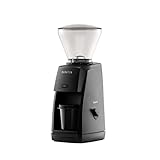
- Worth the splurgeBaratza Encore ESP Burr Grinder~$200
The honest answer: it's real, but for a specific reason most product listings skip. A gooseneck kettle doesn't make better water. It gives you control over two things a standard kettle physically can't — how fast water leaves the spout, and exactly where it lands. Whether that matters to you depends entirely on how you brew. Here's the actual mechanics behind it, when temperature precision matters just as much, and who should — and shouldn't — spend the money.
The 30-second verdict
If you make pour-over coffee (Chemex, V60, Kalita Wave) or use an Aeropress regularly, a gooseneck kettle is one of the highest-leverage upgrades available — more impactful than a fancier dripper, arguably more impactful than bumping your beans up a price tier. If you make drip coffee, French press, or instant, a gooseneck kettle does almost nothing for you; put that money into a burr grinder instead. This isn't a universal upgrade. It's a precision tool for a precision brewing method.
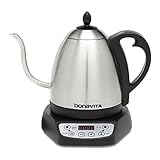
What a gooseneck spout actually changes
Try pouring a thin, steady stream from a regular kettle onto a spot the size of a quarter. You can't — or you can for two seconds before your wrist tires and it widens into a splash. A standard kettle's opening is wide and round, built to dump water quickly, not meter it. Fine for filling a mug. A real problem for pour-over.
Pour-over depends on saturating grounds evenly, in stages: bloom first with a small amount of water to let trapped CO2 escape, then pour in slow, controlled circles from the center out, keeping pace consistent across the whole bed. A fast, uncontrolled pour channels water straight through the loosest part of the grounds instead of passing evenly through all of it — you get a cup that's simultaneously under-extracted (sour, thin) in spots and over-extracted (bitter) in others, muddled together, even with identical beans and grind.
A gooseneck's narrow, elongated spout does two things a wide one can't: it slows water into a thin, ropey stream instead of a gush, and it puts the pivot point close enough to where the water lands that a small wrist movement steers it precisely instead of sloppily. Together, that's what pour-over needs — a slow, aimable stream you can walk in tight circles, pull back from the filter's edges, and adjust as the bloom rises and falls. That's the mechanical difference between a pour-over you can dial in and one that's a coin flip every morning.
Temperature precision: the other half of the equation
Pour control gets the attention because it's visible. Temperature is the quieter half, and it matters just as much — especially if you drink more than one hot beverage. Water too hot over-extracts coffee, pulling bitter, astringent compounds along with the good flavor (the "burnt" taste of coffee brewed near boiling). Too cold under-extracts, leaving flavor locked in and producing a flat, sour cup. The accepted sweet spot for coffee is 195–205°F. Most people with a plain kettle either pour right off a 212°F boil (too hot) or wait an undefined amount of time and hope. A variable-temp gooseneck removes the guessing: set 200°F, it holds there, you pour.
Tea makes the case even more clearly — the acceptable range is narrower and the stakes for missing it are higher. Delicate green and white teas want 160–175°F; boiling water pulls out tannins that turn the cup bitter and grassy. Oolong sits at 180–195°F. Black tea and herbal infusions handle 200–212°F. A regular kettle gives you one setting. A gooseneck with presets gives you all of these on the same appliance — genuinely useful if your household drinks pour-over in the morning and green tea in the afternoon and doesn't want two kettles on the counter.
Who actually needs one — and who doesn't
You'll feel the difference if: you brew pour-over regularly, you use an Aeropress and care about consistency, you drink delicate teas sensitive to over-brewing, or you already own a burr grinder and want the next lever to pull. For all of these, a gooseneck kettle turns "pour-over I attempt" into "pour-over I can reproduce."
You probably don't need one if: you use a drip machine (it controls pour rate and temperature for you — the kettle changes nothing), a French press (immersion brewing isn't sensitive to pour technique — you dump water in and stir), instant coffee or tea bags (no extraction technique to control), or you make one cup a week and just want caffeine, not a hobby. None of these are wrong ways to drink coffee. They're brewing methods where precise pouring never comes into play.
What to actually pair it with
A gooseneck kettle is only as good as what's underneath it. Here's where it fits into the rest of a real setup.
For a faster, more travel-friendly format, the Aeropress uses pressure instead of pure gravity, which makes it slightly more forgiving of pour technique — but a controlled bloom pour still matters, and it's the one piece of gear here worth throwing in a bag.
And the piece that matters more than the kettle if you're ranking by impact: a burr grinder. Precise pouring is wasted on unevenly ground coffee — inconsistent particle size means water moves through some grounds faster than others no matter how perfect your pour is. Grind fresh right before brewing, and the kettle's precision actually has something to work with.
What to look for if you're shopping for one
Three things actually matter: variable temperature control (a kettle that only boils defeats half the point), spout gauge and length (a longer, narrower spout controls better than a short, wide one — the single biggest difference between a $30 "gooseneck-shaped" kettle and one that actually pours like it should), and hold time (a kettle that drops 15 degrees the second it clicks off makes the presets meaningless). Capacity matters less than expected — a 0.9–1L kettle covers 1–3 cups of pour-over, which is plenty for most households, and it's genuinely easier to control one-handed than a heavier, fuller kettle.
Is it actually worth the upgrade?
If you already make pour-over or Aeropress coffee with a standard kettle, yes — this is a rare kitchen upgrade where the difference is obvious on the very first cup. You'll pour slower and more evenly, and the cup will taste more consistent day to day because you've removed one of the biggest variables in the process. If you're building a setup from scratch, buy a decent dripper and fresh beans first — but the gooseneck kettle is the second or third purchase that turns "pretty good coffee" into "coffee you'd pay for at a café." It's not hype. It's a tool that does one job — controlling water — extremely well, for a method where that job is the whole game.
Frequently asked questions
Does a gooseneck kettle really make coffee taste different, or is it placebo?
It's real, but indirectly — the kettle doesn't add flavor. It changes extraction consistency by giving you a slow, aimable pour instead of a splash, which means fewer over-extracted bitter spots and under-extracted sour spots in the same cup — a cleaner, more balanced flavor even though the beans and grind haven't changed.
Do I need variable temperature, or is a basic gooseneck kettle enough?
If you only brew coffee at one temperature, a basic boil-only gooseneck with good pour control is fine — just let it cool about 30 seconds off the boil. Variable temperature earns its keep once you also drink tea, since green and white tea need water 30–50°F cooler than coffee.
Can I use a stovetop gooseneck kettle instead of an electric one?
Yes, and they cost less — usually $20–40. What you lose is built-in temperature precision; you're back to a thermometer or a timed guess for hitting a specific temperature, which matters more for tea than coffee.
Is the pour technique hard to learn?
The motion takes a few attempts to feel natural — most people are comfortable within a week of daily use. The kettle does the hard part (giving you a controllable stream); you're just learning slow, deliberate circles instead of rushing. One tutorial plus a week of morning practice gets most people there.
Will a gooseneck kettle help with French press or drip coffee?
Not meaningfully. French press is immersion brewing — you pour the water in all at once and stir, so pour control never comes into play. Drip machines control their own pour rate and temperature internally, so a gooseneck kettle next to one changes nothing about the cup it produces.
How long does a gooseneck kettle actually last?
A well-made stainless steel electric one, like the Bonavita, typically lasts 5+ years of daily use — the heating element wears out before the spout or body does. Cheap ones with thin plastic parts tend to fail at the temperature sensor or switch within a year or two, which is usually where the price difference between a $30 kettle and a $75 one shows up.