A baseball cap is the most forgiving piece of clothing you own, right up until it isn't. Buy the wrong one and you look like you're wearing a lid off a bigger head, or a stiff little pancake perched on top of yours, or the brim curves like a taco and screams "brand new, never worn outside a car." Buy the right one and it just works — every outfit, every bad hair day, no thought required. The difference isn't luck or a magic brand. It's three measurable things: strap type, crown height, and brim shape. Get those right and almost any cap looks good on almost any head.
- Top pickVintage Year Classic Cotton Dad Hat~$13
- Best budgetDALIX Plain Adjustable Baseball Cap~$12
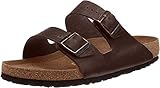
- Worth the splurgeBirkenstock Arizona Sandals~$110
Why most baseball caps look wrong
Here's the thing nobody tells you when you're standing in a store rack grabbing whatever's on top: caps are not one-size-fits-all just because the label says so. "One size fits most" means most, not you, and the tell is almost always the same — the cap sits too high on the head, floating like a UFO instead of hugging the skull, or the brim is flat and shiny straight off the rack with that unmistakable "I bought this an hour ago" look. Both problems are fixable in under a minute, and neither has anything to do with spending more money. A $12 cap shaped correctly beats a $60 cap worn wrong every time.
The other quiet issue is fabric. Stiff, boxy, structured caps read as "sports team merch" even when they're plain. Soft, unstructured cotton with a worn-in look reads as "I've had this for years and I like it here." That's the entire difference between a cap that looks like a costume and one that looks like it belongs to you.
Adjustable strap vs fitted: pick based on your head, not your ego
There are three closure types worth knowing, and the internet's obsession with "fitted only" snobbery is mostly nonsense for anyone who isn't literally playing baseball.
Fitted caps (no strap, sized in exact increments like 7 1/8) give the cleanest silhouette because there's no plastic snap or velcro breaking up the back panel. The catch: you have to know your exact hat size, they only work if your head circumference is genuinely stable, and if you get it wrong there's no adjusting your way out of it. Great if you know your size. A gamble if you don't.
Snapback caps use a plastic snap closure at the back, usually with a flatter brim and a more structured crown. They adjust in fairly coarse increments, which is fine for most heads but can leave you stuck between "a little loose" and "a little tight" with nothing in between.
Strapback caps — the classic dad hat closure — use a fabric strap with a metal or plastic slide buckle. This is the one to default to unless you have a specific reason not to. It adjusts in small, continuous increments instead of snap notches, so you can actually dial in a fit instead of rounding to the nearest click. It's also the reason a properly fitted dad hat feels almost weightless — there's no pressure point anywhere on your head because you found the exact right notch instead of settling for "close enough."
Crown height is the detail everyone gets wrong
Crown height — how tall the cap sits above your head — is the single biggest factor in whether a cap looks intentional or accidental, and it's the thing almost nobody checks before buying. A high, structured crown (common on cheap souvenir-shop caps and a lot of licensed sports merch) sits up and away from your head, which reads as boxy and a little dated, especially on anyone with a smaller or narrower face. A low, unstructured crown sits close to the skull and follows its actual shape, which reads as current and deliberate on almost everyone.
The quick test: put the cap on and look at yourself from the side. If there's visible empty space between the top of your head and the fabric ceiling of the crown, that's a high crown and it's working against you. If the fabric follows the curve of your head with no gap, that's a low crown and it's doing its job. Dad hats and unstructured caps are built low by design. Classic 6-panel structured caps and most trucker hats are built high. Neither is objectively "correct" — but low-crown fits the widest range of face shapes and is the safer default if you're not sure what looks good on you yet.
Brim curve: the fastest fix that makes the biggest difference
A flat, stiff brim straight off the rack is the number one reason a cap looks like it was purchased yesterday, even if you've technically owned it for a year. Brims come pre-shaped one of two ways: flat (currently trendy in streetwear, but unforgiving and very "new hat" if you're not going for that specific look) or curved (the classic shape, softer and more universally flattering, especially outdoors where you actually want the brim to block sun instead of just sitting there as a fashion statement).
If your cap has a flat brim and you want it curved, or a curved brim that's lost its shape and gone floppy, the fix takes about thirty seconds: roll the brim gently around a cylindrical object — a can, a rolled towel, the edge of a table — for a minute or two, working from the center outward. Don't crease it hard or fold it; you're coaxing a curve, not making origami. Do this once when the cap is new and it'll hold the shape for the life of the hat. Skipping this single step is why so many perfectly good caps look cheap.
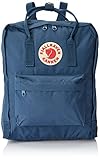
Once you've got the crown height and brim curve dialed in, the rest of your styling gets easier too. A well-shaped low-crown cap pairs naturally with the same off-duty pieces that already work hard for you — a slouchy canvas backpack, a pair of sandals you can wear without thinking. The common thread across all of it is the same lesson: soft, worn-in, low-effort silhouettes beat stiff and shiny every time.
The picks worth buying, compared
Here's how the three core caps stack up against each other, so you can pick based on what you actually need instead of guessing:
| Cap | Crown | Closure | Best for | Price |
|---|---|---|---|---|
| Vintage Year Dad Hat | Low, unstructured | Strap-back buckle | Everyday default, broken-in look from day one | ~$13 |
| MEINICY Washed Dad Hats (3pk) | Low, garment-washed | Strap-back buckle | Rotating colors once you know your fit | ~$20 |
| DALIX Adjustable Cap | Mid, structured | Strap-back | A slightly more polished, logo-free option | ~$12 |
If you only buy one cap this year, make it a low-crown, strap-back dad hat in a neutral color — black, khaki, or faded navy. It's the shape that works with the most outfits, the closure that adjusts the most precisely, and the crown height that flatters the widest range of head and face shapes. Everything else on this list is a variation you add once you know that base fit works for you.
What to skip
A few categories aren't worth your money regardless of brand or price:
Foam-front trucker caps with plastic mesh backs — the foam panel goes stiff and cracked within months, and the fit is almost always a high, boxy crown that sits away from your head. Fine for irony. Not a real everyday cap.
Fitted caps you're guessing the size on — if you don't know your exact hat size, don't buy fitted online. There's no adjusting your way out of a size that's a half-inch off, and returns on caps are more annoying than most clothing categories because of hygiene policies.
Anything with a rigid, unbendable brim — if you try the thirty-second brim-curving trick above and it doesn't budge at all, the brim is reinforced with a stiff insert that will never soften. That cap is stuck looking new forever, which is a strange thing to pay for.
Loud logo caps you don't actually care about — a plain or subtly branded cap works with more of your closet and ages better. Save the bold graphic pieces for hats you're genuinely a fan of, not ones you bought because they were the only option on the rack.
Frequently asked questions
How do I know if a baseball cap actually fits?
Put it on and check three things: no gap between your head and the crown fabric (crown height is right), the strap sits at a notch where it's snug but doesn't pinch or leave a red line after an hour (closure is adjusted right), and the brim curves gently rather than sitting perfectly flat or already floppy (brim is shaped right). If all three check out, the cap fits — regardless of what size label is inside it.
Should I buy a fitted cap or an adjustable one?
Adjustable — specifically strap-back — is the safer default for almost everyone, because it adjusts in small increments instead of forcing you to guess an exact size. Only go fitted if you already know your precise hat size from a past fitted purchase and your head size has been stable for a while. If you've never worn a fitted cap before, start adjustable.
Why does my cap sit too high on my head?
That's almost always crown height, not strap adjustment. A high, structured crown is built to sit up and away from your head by design — no amount of tightening the strap will pull a high-crown cap down flush. If you want a low, close-to-the-head look, you need a cap described as "low profile," "unstructured," or a classic dad hat shape, not a tighter strap on the wrong cap.
How do I curve a flat brim?
Roll the brim gently around a cylindrical object — a soup can, a rolled-up towel, even the curved edge of a table — for a minute or two, working from the center of the brim outward toward the edges. Apply steady, gentle pressure rather than a hard crease. Do this once while the cap is new and the curve holds for the life of the hat. Avoid folding or creasing sharply, which can permanently kink the fabric instead of curving it.
Can I wash a baseball cap without ruining the shape?
Yes, if you're careful. Hand wash with mild soap and cool water, gently scrubbing the sweatband and underside of the brim where oils and dirt collect. Reshape the brim while damp if needed, then let it air dry on a rounded surface (an upside-down bowl works well) rather than laying it flat, which can create new, unwanted creases. Skip the washing machine and dryer — the heat and agitation warp both the crown structure and the brim shape.
What's the difference between a dad hat and a regular baseball cap?
A dad hat has a low, unstructured, curved crown, a soft cotton twill construction with minimal stiffening, and typically a strap-back closure with a curved brim. A "regular" or classic baseball cap often has more structure in the crown (sometimes a stiff buckram front panel), a flatter or more rigid brim depending on the style, and can use any of the three closures. Dad hats are generally the more universally flattering, lower-effort option for everyday wear.
Is it bad to buy multiple cheap caps instead of one expensive one?
Not at all, as long as the cheap caps have the right shape — low crown, soft cotton, strap-back closure, curveable brim. Fit and material quality matter far more than price for how a cap looks and feels day to day. A $12–20 cap with the right proportions will look better than a $60 cap with a boxy, high crown and a stiff, unbendable brim.