Somewhere around page 40 of a 700-page biography, most people quietly close the book, put it on the nightstand, and pick up something under 300 pages instead. Nobody admits this. Everybody does it. There's a real and understandable resistance to committing 15+ hours to one person's life story when a novel could deliver a complete arc in a third of the time. This isn't a piece about biographies with thriller pacing that trick you into finishing fast — we've made that case elsewhere. This is the opposite argument: some of the best biographies and long-form nonfiction are slow, dense, and unapologetically long, and the length itself is doing work a shorter book couldn't do. Here's why that's worth your time, which ones actually earn it, and how to get through one without quitting at the two-thirds mark.
- Top pickHumans of New York: Stories~$25
- Best budgetAtomic Habits~$13
- Worth the splurgeFull Focus Planner~$45
Why we flinch at the 600-page biography (and why the instinct is wrong)
The resistance to long biographies isn't really about time. Most of us will happily sink 15 hours into a TV series over a weekend. It's about a specific fear: that a long book is long because the author or editor didn't have the discipline to cut it down, and you're going to spend hours wading through padding to get the same information a tighter 250-page version would've given you.
Sometimes that fear is correct — plenty of long books are long because nobody trimmed them. But a genuinely great long biography is long for a different reason: the subject's life doesn't compress. You can't tell the story of a person's full arc, the contradictions, the years that shaped the decade that shaped the decision, without the room to actually show it. A 250-page biography of someone who lived seven distinct lives is a highlight reel. A 700-page one is the actual life. The density is the point — it's what lets you sit with someone long enough to stop seeing them as a Wikipedia summary and start seeing them as a person who didn't know how their own story would end.
The doorstops that actually earn their page count
Not every long book deserves your time — more on the tells for that in a minute. But a handful of long, dense nonfiction titles reward the investment specifically because of their length, not despite it. These aren't all pure cradle-to-grave biographies; a few are memoir-adjacent or narrative nonfiction that does the same work — building a full, textured picture of a life or a body of hard-won expertise that a shorter book couldn't hold.
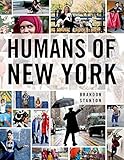
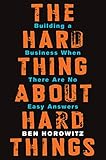
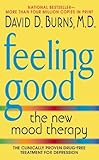
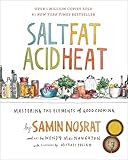
Notice what these have in common: none of them could be cut to 200 pages without losing the thing that makes them work. That's the actual test for whether a long book deserves your time — not the page count itself, but whether the length is structural or just undisciplined.
Long and worth it vs. just long — how to tell before you buy
Before you commit to a 600-plus page biography, there's a quick gut-check that saves you from the ones that are long for the wrong reasons. A book earns its length when the extra pages are spent on specificity — scenes, documents, contradictions, the texture of a decade — rather than on repetition or the author padding out a thin thesis. A book is just long when you could summarize the last 150 pages in a paragraph without losing anything, when the same point gets restated in three different anecdotes, or when the density feels like effort rather than reward.
A fast way to check before buying: read the reviews that mention the middle third specifically. Readers are honest about sagging middles. If the one- and two-star reviews consistently call out "repetitive" or "could've been half as long," believe them. If the criticism is instead "slow start, but stick with it," that's usually a sign the length is structural — you're paying an up-front cost for a payoff later, which is a very different thing than padding throughout.
How to actually finish a long biography once you start it
The real reason most long biographies go unfinished isn't the writing — it's that people try to read them the way they read a novel, in long uninterrupted sittings, and life doesn't reliably hand you three-hour blocks. Long biographies are much more finishable in short, consistent daily sessions than in occasional marathons. Twenty pages a day gets you through a 600-page book in a month without ever feeling like a slog, while the same book attempted in weekend binges gets abandoned by week three because the momentum keeps resetting.
Two things help build that daily-session habit specifically for long, dense nonfiction: a system for making the habit automatic rather than willpower-dependent, and a way to actually track pages so the progress is visible instead of abstract.

The other trick: don't be precious about reading only one book at a time. Long, dense nonfiction pairs well with a short, fast, purely enjoyable novel running alongside it — something you reach for on the nights the biography feels heavy. It's not cheating. It's what keeps you from resenting the long book by the time you're 300 pages in.
When a short book is actually the smarter call
All of this is a case for length when length is earned — it is not a case that longer is always better. Plenty of excellent nonfiction is short because the subject genuinely doesn't need 500 pages, and forcing extra length onto it would dilute the point rather than deepen it. Books built around a single sharp thesis and a tight set of evidence are often better off staying lean.
The skill worth building isn't "read longer books" — it's telling the difference between a long book that's long because the material demands it, and a short book that's short because the material doesn't need more. Once you can tell those apart, the 600-page biography stops being an intimidating gamble and starts being a calculated one.
Frequently asked questions
Is a longer biography always better than a shorter one on the same subject?
No. Length should track the material, not the other way around. Some lives genuinely need 700 pages to render honestly; others are well served by a tight 250-page treatment. The tell is whether the extra length is spent on specificity and texture or on repetition — check reviews that discuss the middle third before you commit.
How long does it realistically take to finish a 600-page biography?
At a steady 20 pages a day, about a month. That pace is far more sustainable than trying to knock it out in a few long weekend sessions, which is where most long biographies stall out — momentum resets every time you put the book down for more than a few days.
Should I read a long biography's introduction and appendices, or skip straight to the story?
Read the introduction — in dense biographies it usually explains the author's sourcing and point of view, which changes how you read everything after it. Appendices, endnotes, and bibliographies are optional unless you're specifically fact-checking; skipping them doesn't cost you anything.
What's the difference between this list and biographies that read like thrillers?
Fast-paced biographies are built for momentum — short chapters, cliffhangers, propulsive plotting that pulls you through quickly. The books here are the opposite case: they're slow and dense on purpose, and the payoff comes from sitting with the material rather than racing through it. Both are legitimate; they're just solving different problems.
Is it okay to read a long biography alongside a shorter, lighter book?
Yes, and it often helps. Alternating a dense biography with a fast, enjoyable novel prevents the burnout that causes most long nonfiction to get abandoned around the two-thirds mark. Treat the shorter book as a pressure valve, not a distraction from the "real" reading.
What if I get 300 pages into a long biography and still can't tell if it's worth finishing?
That's usually a sign worth trusting. A biography that's earning its length tends to show it by the halfway point — you can feel the payoff building. If 300 pages in you still feel like you're reading a summary stretched thin, it's fair to set it down. Not every doorstop was built to be finished.
Are audiobooks a good way to get through a long biography?
For many people, yes — a daily commute or workout turns into 30–45 minutes of steady progress without requiring dedicated reading time. The tradeoff is that dense nonfiction with a lot of names, dates, and cross-references can be harder to track by ear than by eye. If a book is heavy on that kind of detail, a print or e-book copy alongside the audio can help.