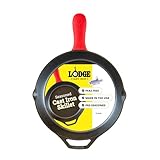
Here is a strange truth about gift-giving: the $24 item often reads as more thoughtful than the $150 one. A cast iron skillet is the clearest proof of this in a kitchen. It costs less than a bottle of decent wine, it will genuinely outlive the relationship you gave it in (in a good way — we mean generations, not breakups), and unlike most gifts under $30, nobody ever quietly returns one. This isn't a care guide — we've already written the definitive one on seasoning and rust-rescue — and it isn't an accessories roundup either. This is about picking a gift that actually lands, and why the Lodge Cast Iron Skillet, dressed up right, does that better than almost anything else at this price.
- Top pickLodge 10.25in Cast Iron Skillet~$24
- Best budgetKitchenIQ Edge Grip Knife Sharpener~$8
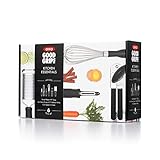
- Worth the splurgeOXO Good Grips 17-Piece Tool Set~$50
The trick isn't the pan itself. Plenty of people could go buy one on their own lunch break. The trick is what you do around it — who you give it to, what you pair it with, and how you present something that, handed over bare in its factory box, reads as "I didn't know what to get you" instead of "I thought about this."
Why a $24 Pan Beats a $150 Gadget
Gift psychology is not complicated once you strip out the marketing. A great gift is useful longer than it's exciting, personal without requiring you to have spent hours stalking a wishlist, and durable enough that seeing it years later still reminds the recipient who gave it to them. Most gadgets fail on the first count — an air fryer is exciting for six weeks and useful for maybe a year before it's replaced by a newer model or dies quietly on the counter. A cast iron skillet fails none of the three.
Lodge has made this exact skillet in South Pittsburg, Tennessee since 1896, and today's version is functionally the same pan people still cook on that their grandmothers bought decades ago. It arrives pre-seasoned, usable the same night, and works on every heat source including induction and a literal campfire — and it gets better the more it's used. Most gifts depreciate the moment they leave the store. This one appreciates. That's a genuinely rare quality to hand someone in a box.
Who Actually Wants This (and Who Really Doesn't)
A cast iron skillet is not a universal gift, and pretending otherwise is how you end up giving someone their fourth one. It's genuinely right for the person moving into their first real kitchen and currently cooking eggs in a warped pan from a college dorm box. It's right for the friend who's started actually cooking — posting recipes, asking what pan to use for a sear — but hasn't bought themselves anything nice yet, because spending real money on cookware for yourself feels indulgent in a way receiving it as a gift doesn't. And it's right for the parent who's cooked the same three pans for thirty years and would never buy something new for themselves, but would absolutely use a gift.
It's the wrong call for someone who's explicitly told you, more than once, that they hate the maintenance and prefer nonstick — that's a real preference, not something a nice gift talks them out of. Same for anyone with wrist or grip issues that make a five-pound pan genuinely difficult to maneuver. And obvious but worth saying: anyone you already know owns one. Check their kitchen first. A second Lodge skillet isn't a thoughtful backup — it's a regift waiting to happen.
Turning a Pan Into an Actual Gift
The single biggest mistake people make giving cast iron is handing it over exactly as it arrived from the warehouse — bare pan, cardboard sleeve, done. That's not a gift, that's a purchase with a bow taped on. The move that actually changes how it lands is pairing the pan with something that tells the recipient how to fall in love with it, not just that they now own it.
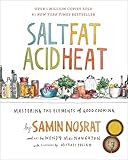
The single best pairing is a real cookbook, and Salt, Fat, Acid, Heat is the obvious one — it's built around teaching the four variables that make food taste good rather than a rigid list of recipes, and a huge share of its instruction is specifically about getting a good sear and building flavor in a hot pan, which is exactly what a new cast iron skillet is for. Handing someone a pan and a book that teaches them what to actually do with it turns "here's cookware" into "here's a new skill I want you to have."
Building the Bundle: What Actually Belongs in the Box
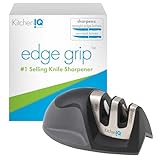
Beyond the pan and the cookbook, a couple of adjacent tools round the gift out without turning it into clutter. The rule for anything you add: it should earn a permanent spot near the stove, not sit in a drawer after week two. A cheap, sharp knife sharpener is the unglamorous add-on that pays for itself immediately — most kitchens have at least one blade going dull, and a two-stage handheld sharpener fixes that in seconds with zero skill required, right alongside the new pan.
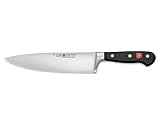
If the recipient's whole kitchen kit is a little thin — which is common for the exact people this gift is best suited for, like someone furnishing a first apartment — a genuinely good chef's knife rounds the bundle into "basically outfitted a kitchen" territory without blowing the budget. The Victorinox Fibrox is the one professional cooks actually buy with their own money, not the flashy gift-set option that looks nice in a box and dulls in a month.
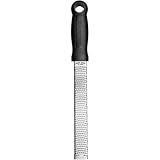
For a smaller add-on that still earns its keep daily, a Microplane zester is the kind of tool nobody buys themselves until they've used one at a friend's house and realized their box grater has been failing them for years — citrus zest, hard cheese, fresh ginger, all done in ten seconds with almost no cleanup.
And if you want to go bigger for a housewarming, wedding, or milestone birthday — the kind of gift where "one pan" starts to feel a little light — a real starter tool set gets the recipient from zero to genuinely equipped in one box, and pairs naturally with the skillet as the cookware anchor.
What to Skip
Not every cast iron product marketed as a gift is worth being one. The novelty shapes — corn-cob-shaped cornbread pans, heart-shaped mini skillets, cast iron shaped like a state — are cute for about a week and then live in a cabinet forever, because they're a one-recipe tool disguised as a personality gift. If you want novelty, put it in the wrapping or the card, not the pan itself.
Skip the "gift set" boxes that bundle a skillet with a matching trivet, a spatula, and a jar candle for triple the price of buying the skillet and one or two of these individually — you're paying a packaging markup for the illusion of a curated bundle, when the same money spent on a real cookbook and a sharp knife goes further and reads as more considered.
Also skip vintage or thrifted cast iron unless you've personally restored it and know its condition. A rusted, pitted secondhand pan can be a wonderful gift in the right hands, but it needs real restoration work first, and handing someone a rusty pan "as a project" reads as a chore, not a present, unless they specifically asked for exactly that.
Last one: don't upgrade to a fancier, pricier brand on the assumption that more expensive automatically reads as more thoughtful. A $180 enameled Dutch oven from a prestige French brand is a genuinely excellent piece of cookware, but it solves a different problem than this gift is solving, and it can come across as trying too hard for a casual occasion. Save that tier for someone who already has the basics covered and is ready for the upgrade — for the gift this article is about, the honest, unglamorous $24 Lodge is doing exactly the job it's supposed to.
How to Wrap It (Literally)
Presentation is where this gift lands or falls flat, and cast iron has one real constraint: it's heavy, and standard wrapping paper tears under that weight almost immediately, turning your careful wrapping job into a half-unwrapped mess by the time it arrives. Skip paper. Wrap the pan in a good linen or cotton kitchen towel instead, tied with butcher's twine — it looks intentional, holds up to the weight, and becomes a second small gift instead of trash the second the box is open.
Tuck the cookbook and sharpener inside the pan itself rather than wrapping them separately — cast iron is basically a built-in gift basket, and nesting the smaller items makes the whole thing read as one considered bundle instead of three purchases that happened to arrive in the same bag. One more touch that costs nothing: write a short note with one simple recipe on it — a fried egg, a seared steak, cornbread — so the first thing they cook is something you specifically recommended.
The whole point of this gift is that none of the individual pieces are expensive or hard to find. What makes it look thoughtful is entirely in the pairing and the presentation — the fact that you thought about what they'd actually cook first, not just that you bought them cookware. That's the difference between a gift that gets used for a decade and one that gets quietly regifted by Christmas.
FAQs
Is a cast iron skillet a good gift for someone who already cooks a lot?
Only if you've confirmed they don't already own one. Experienced home cooks are exactly the audience most likely to already have a Lodge skillet in rotation, so this works best for them as an upgrade or supplement — a second size, or a bundle built around a cookbook they don't own — rather than duplicating what's already on the stove.
What if they already own a cast iron skillet?
Shift the gift to what pairs with it instead of the pan itself. A knife sharpener, a chef's knife, or a cookbook like Salt, Fat, Acid, Heat all work as standalone gifts, and they read as thoughtful precisely because you noticed they didn't need another pan.
Do I need to season it myself before gifting it?
No. Lodge skillets ship pre-seasoned with natural vegetable oil and are ready to cook on the day they're unboxed. Mention this in your card if you want to reassure a recipient who's nervous about cast iron maintenance — it removes their biggest hesitation before they even ask about it.
What's the single best thing to pair it with if I can only add one item?
The cookbook. A knife sharpener is useful, but Salt, Fat, Acid, Heat teaches the recipient what to actually do with the pan, which is what turns "I got cookware" into "I got a new skill."
Is Lodge good enough, or should I buy a fancier cast iron brand instead?
Lodge is genuinely the right call, not just the budget one. It's American-made, pre-seasoned, and functionally similar to cast iron costing three or four times as much — fancier enameled brands solve a different problem (color, no seasoning maintenance) and read as a more formal kind of gift entirely.
What occasions actually suit this gift?
Housewarmings, first apartments, weddings, and "just started cooking more" moments are the strongest fits — anywhere there's a real gap in someone's kitchen. It's a weaker fit for occasions that call for something purely sentimental, since the appeal here is genuine daily usefulness rather than symbolism.
Should I worry about the weight if I'm shipping this as a gift?
Only in terms of cost, not durability — cast iron is close to indestructible in transit. Box it with the cookbook and knife sharpener nested inside the pan itself to save space, and expect a slightly higher shipping charge than a typical kitchen gift given the weight.