Every white elephant party has the same shape. Someone shows up with a candle. Someone shows up with a $14 mug that says something vague about coffee. And then someone shows up with the one gift that gets stolen four times before the game ends, the one everyone's still texting about on the drive home. That gift is not an accident. It follows a formula, and once you see the formula you can't unsee it: it's fun to open in front of a room, it's useful enough that a total stranger would actually want it, it's not so personal that only one specific person could love it, and it lands in a price range where grabbing it out of someone else's hands doesn't feel like a felony.
- Top pickTile Mate Bluetooth Tracker~$25
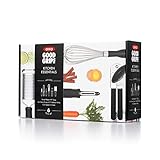
- Worth the splurgeOXO 17pc Tool Set~$50
This is a strategy guide dressed up as a gift list. We're getting into why some gifts get stolen and some just sit there untouched, what price actually buys you the most steals, when it's worth breaking budget, and — just as important — which gifts to leave on the shelf because nobody in the history of white elephant has ever fought over them.
The $20–30 sweet spot, and why it beats both extremes
There's a reason most office and family white elephant exchanges land their budget somewhere between $20 and $30, and it's not arbitrary. Below $20, you're mostly buying novelty — the item is fun for exactly one round of "ha, look what I got" and then it goes home in a junk drawer forever, never to be stolen or thought about again. Above $30, you run into the opposite problem: the gift is now valuable enough that whoever unwraps it clutches it to their chest and refuses to make eye contact with the room, which kills the entire point of the game. Nobody steals from the person guarding a $75 espresso machine like it's a newborn. They just quietly decide not to play.
The $20–30 range is the zone where a gift is good enough to be worth stealing but not so good that stealing it feels like theft. It's the Goldilocks price for a game that's fundamentally about mild, socially sanctioned chaos. If you're the one setting the budget for your group this year, land on this number. If someone else set a lower budget, treat $20–30 as the ceiling to stretch toward inside a "keep it under $20" rule — buy the nicest thing you can find that still reads as cheap at first glance.
The other thing the sweet spot buys you: plausible universality. A $25 gift can be genuinely good for almost anyone in the room — your accountant uncle, your gamer cousin, the coworker you've spoken to exactly twice at the printer. A $75 gift forces you to guess at somebody's specific taste, and guessing wrong means your expensive gift sits untouched in the corner while a $22 gadget gets swiped six times.
The picks built to get stolen — twice
These are the gifts that actually work the way white elephant gifts are supposed to: instantly recognizable, useful to basically anyone, fun enough to generate a reaction when unwrapped, and priced so that stealing them doesn't feel like a moral crisis.

Splurge tier: when it's worth going over $30
Every group has that one round where someone announces "okay, we're doing $40 this year" and the whole dynamic shifts. Higher-budget white elephant games reward gifts that look genuinely desirable rather than merely clever — the kind of thing people would consider buying for themselves, which is exactly what makes them worth fighting over. Here's where to spend the extra money if your group's budget allows it.
The steal mechanics: how to actually win at White Elephant
Picking the right gift only gets you halfway. The other half is understanding the mechanics of the game you're playing, because "White Elephant" isn't one game — it's a family of house rules, and which version your group uses changes what "winning" even means.
In the most common version, each gift can only be stolen a limited number of times (usually two or three) before it's "locked" and taken out of play. If you're bringing a gift you want stolen a lot, that steal cap works in your favor — a genuinely desirable $25 item will hit its steal limit almost immediately, which is its own kind of bragging right for whoever brought it. In versions with no steal limit, the most coveted gifts can circulate the entire game, which means the smart move is bringing something exciting enough to survive multiple rounds of theft without anyone deciding it's not worth the trouble of stealing again.
The other lever you control is timing. If you draw a low number, you're picking blind from the pile — bring a gift that photographs well wrapped, because a good wrapping job genuinely does influence which box gets picked first. If you draw a high number, you get to watch what's already been stolen and pick the gift with the most steal history, which is usually the most reliable signal of what the group actually wants. Either way, the gifts on this list are built to perform well regardless of when they enter the game — that's the whole design goal of a good white elephant pick.
What to skip: the gifts nobody fights over
For every gift that gets stolen four times, there are two or three that sit in the pile from round one to the final whistle, untouched and slightly sad. Knowing what these are is just as useful as knowing what works.
Anything that's funny exactly once. Gag gifts — the inflatable flamingo, the singing fish, the "world's okayest employee" mug — get a laugh when they're unwrapped and then get left behind by literally everyone, including the person who unwrapped them. A joke gift can open the game with energy, but it will not survive a second round of stealing, because nobody actually wants to own it after the laugh fades.
Anything scented, edible, or single-use. Candles, lotions, and gourmet snack baskets are lovely as hostess gifts and dead weight in a white elephant exchange. They can't be "won" in any meaningful sense — you use them once and they're gone, which makes them feel like a consolation prize rather than a prize. Save the candle for a different occasion.
Overly personal or novelty-branded items. A t-shirt in one specific size, a mug with someone's alma mater on it, a book on a hyper-specific hobby — these narrow the pool of people who'd actually want to steal the gift down to almost nobody. The whole appeal of white elephant is that a gift should feel like it was made for the room, not for one hypothetical person who might or might not be in it.
Anything that requires assembly, batteries not included, or a manual. Gifts that create friction at the moment of opening lose momentum fast. If someone has to read instructions or hunt down four AA batteries before the gift does anything interesting, the room's attention has already moved on by the time it's ready to use.
How to build your own list before the party
If you're shopping the week of the party (most people are), the fastest way to land on a good pick is to ask one question about every candidate gift: would a stranger want to steal this from someone else in this exact room? Not "is this a nice gift" in the abstract — plenty of nice gifts fail that specific test. A scented candle is a nice gift. Nobody's stealing it.
Stick to the budget your group set, lean toward the higher end of it rather than the lower end, and prioritize items that are instantly understandable at a glance — nobody's going to read a product description mid-game, so the gift needs to sell itself the second the wrapping comes off. Beyond that, the picks above cover the range: something small and clever for a tight $20–30 budget, something a little more coveted if your group's playing for $40 or more this year. Wrap it well, bring it early, and let the chaos do the rest.
FAQs
What's the ideal price range for a white elephant gift?
$20–30 is the sweet spot for most groups. It's high enough that the gift feels genuinely worth having, but low enough that stealing it doesn't feel awkward or high-stakes. If your group sets a higher budget, aim for something in the $40–50 range that people would actually consider buying for themselves.
Should I bring a gag gift or a real gift?
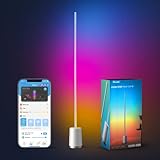
A real gift, almost always. Gag gifts get a laugh on the first unwrap and then get abandoned for the rest of the game — they rarely get stolen a second time. If you want a little novelty, pick something genuinely useful with a fun factor built in, like a color-changing lamp or a coffee gadget, rather than something that's purely a joke.
How many times can a gift be stolen in White Elephant?
It depends on your group's house rules — some cap steals at two or three per gift before it's "locked" and out of play, others allow unlimited steals until the last person's turn. Ask before the game starts, since it changes strategy: a steal cap rewards bringing something that gets snapped up fast, while unlimited steals favor gifts that stay desirable round after round.
Is it bad etiquette to bring an expensive gift when the budget is $20?
Yes, generally. Going noticeably over budget can make other participants' gifts look cheap by comparison and throws off the game's balance, since an obviously pricier item tends to get stolen relentlessly and hoarded rather than fairly circulated. Stick close to the agreed budget, and if you want to spend more, suggest raising the group's limit for everyone next time instead.
What gifts should I avoid buying for a work white elephant specifically?
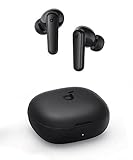
Anything scented, anything overtly political or risqué, and anything that assumes personal details about a coworker you don't know well. Office exchanges reward broadly likable, low-controversy picks — tech accessories, coffee gear, and practical home gadgets tend to perform the best because they work for almost anyone in the building.
Does wrapping actually matter in White Elephant?
More than people expect, especially in versions where participants pick blind from a pile before any stealing happens. A gift wrapped in interesting paper, a gift bag, or an unusual box shape tends to get picked earlier and generates more curiosity — which matters because early picks get more chances to be stolen before the game ends.