Somewhere between the string lights coming down from the attic and the third batch of guests arriving, most pet owners forget the holidays are, from a dog or cat's point of view, a home invasion. There's a strange glowing tree indoors, dangling ribbons that beg to be chewed, bowls of chocolate at nose height, and strangers reaching for their face without asking. None of that is dramatic — until it is, and you're calling the emergency vet on December 24th instead of wrapping presents. Pet-proofing for the holidays isn't complicated. It's mostly about closing a handful of predictable gaps: the tree, the cords, the food, and the chaos of extra people in the house. Here's what's actually worth doing, and what's worth skipping.
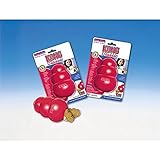
- Top pickKONG Classic Dog Toy~$13
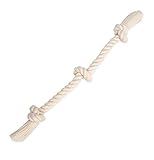
- Best budgetMammoth Flossy Chews Cottonblend Rope~$8
- Worth the splurgeFurbo 360° Dog Camera, no subscription~$147
The tree is the single biggest hazard in the house
Christmas trees combine almost everything that goes wrong for pets into one object: something climbable for cats, something chewable for dogs, water that can hold fertilizer or preservative chemicals, and small breakable ornaments at nose or paw height. Cats treat trees as furniture — a six-foot cat tower that happens to be free. A determined cat will climb a tree that isn't anchored, and a toppling tree covered in glass ornaments and lights is a genuinely dangerous mess, not just an annoying one.
The fix isn't a product, it's physics: anchor the tree to a wall stud or ceiling hook with fishing line if you have climbers, skip tinsel entirely (more on that below), and cover the tree stand's water if it's the standing-water type — it can grow bacteria or hold fertilizer packets that are genuinely toxic if a thirsty dog treats it as a novel water bowl. If your pet has a history of investigating the tree the moment your back is turned, redirecting that energy is the real fix — which is where a durable chew toy earns its keep, not because it's marketed as a "holiday" product, but because a bored, curious animal circling a tree for six hours a day needs a legitimate outlet.
For cats, the tree-climbing instinct is harder to redirect with a toy alone, but giving them something else to chew and paw at helps — especially if the alternative is your garland or ornament string. A rope toy scratches the same itch as an unwrapped ribbon without the ingestion risk.
Cords and lights: the hazard nobody thinks about until it happens
String lights turn every room into a maze of exposed, low-voltage wiring at exactly the height a curious puppy or kitten investigates with their mouth. Chewing through a live cord can cause burns, electrocution, or at minimum a very bad vet bill, and it's one of the more common holiday-specific injuries vets see in young animals. The instinct is to just "watch them," but nobody watches a dog constantly for six weeks straight, and that's the gap where accidents happen.
This is a case where a product built for an entirely different purpose turns out to be a genuinely solid pet-safety tool. Cable management boxes exist to hide power strips for home offices — but the same box that keeps a toddler from chewing charger cables does the identical job for a dog. If your holiday lights run through a floor power strip, boxing it up removes the temptation instead of relying on a puppy to ignore something novel and dangling.
For cords you can't fully box up — like lights wrapped around the tree — bitter-apple spray on the cord is a low-effort second layer. Between a boxed power strip and a bitter taste on exposed sections, you've closed most realistic entry points without hovering over your dog all December.
Food hazards: the one category where "a little won't hurt" is actually wrong
Holiday spreads put more pet-toxic food within easy reach than any other time of year: chocolate (baking and dark chocolate are worse than milk chocolate), grapes and raisins (common in fruitcake and stuffing), onions and garlic in savory dishes, macadamia nuts, and alcohol left in unattended cups. Xylitol — a sugar substitute in sugar-free baked goods, gum, and some peanut butter — is extremely toxic to dogs in small amounts and shows up more during holiday baking season than any other time of year. None of this requires a large quantity to cause real harm; that's the part people underestimate.
The practical fix is boring but effective: keep tempting food off counters entirely rather than trusting your dog won't jump or your cat won't get curious once thirty people are distracted and doors are opening all evening. An airtight container does double duty — it keeps holiday treats fresher for guests and physically removes the "nose finds it" problem a loose bowl or open tin creates.

Worth naming directly: poinsettias are less dangerous than their reputation suggests (mostly mild GI upset, not the emergency people assume), but lilies are genuinely dangerous to cats — even pollen contact or vase water can cause kidney failure — and mistletoe and holly berries can cause real GI distress. If you're a cat household, lilies simply don't belong in the house, holidays included.
Guests, doorbells, and the stress most owners don't plan for
The physical hazards get most of the attention, but the behavioral side of the holidays trips up just as many pets. A steady rotation of unfamiliar people, a doorbell going off all evening, kids who don't know to leave a nervous dog alone, and a disrupted routine is genuinely stressful for a lot of animals — even normally social ones. Bolting through an open door during a gift exchange, growling at a child who cornered them, or hiding and not eating for two days are common, predictable outcomes of holiday guest chaos, not signs of a "bad" pet.
The most useful thing you can do costs nothing: give your pet a room to retreat to with the door closed, food, water, and a bed, and tell guests it's off-limits. For pets that get anxious around the front door or during high-traffic hours when you can't watch them directly, checking in remotely is genuinely useful — not to replace supervision, but to catch a problem (a dog working at a baby gate, a cat hiding under a bed for hours) before it becomes one.
What to skip: holiday-pet products that aren't worth the money
Every November, pet aisles fill with seasonal items that look purpose-built for holiday safety but mostly aren't. "Holiday-scented" calming sprays are the same pheromone or lavender products sold year-round with a candy-cane label — the scent adds nothing, and if your pet genuinely needs calming support, a vet-recommended option is the better call. "Pet-safe garland" is often just as much of an ingestion risk as tinsel if it's stringy and shiny — the material matters more than the label.
Decorative pet costumes are a "know your own animal" call, but a stressed pet in a restrictive outfit during an already chaotic day adds a stressor, not less. And skip any "anti-anxiety" gadget promising to solve holiday stress with lights or sound alone and no behavioral change behind it — a safe room and a familiar routine do more than any device.
A short, realistic pre-holiday checklist
If you only do a handful of things before guests arrive and the tree goes up, make it these: anchor the tree if you have a climbing cat, skip tinsel and loose ribbon in favor of a rope toy, box up or bitter-spray exposed light cords, seal holiday food away from counter edges, keep lilies out of a cat household, and set up a closed-door safe room before the first guest arrives — not after your dog is already stressed. It requires closing four or five specific, predictable gaps that cause the overwhelming majority of holiday pet emergencies.
Frequently asked questions
Is tinsel really dangerous, or is that overblown?
Not overblown, especially for cats. Tinsel is a classic cause of linear foreign body obstruction — a string-like object caught at one end (often under the tongue) while the rest moves through the intestines, bunching and potentially cutting through tissue. It frequently requires emergency surgery. If you have a cat, skip tinsel entirely.
How much chocolate is actually dangerous for a dog?
It depends on the dog's size and the type — baking and dark chocolate are far more concentrated in theobromine (the toxic compound) than milk chocolate. A small dog can be seriously affected by an amount that would barely register for a large dog. There's no universal "safe" amount, which is why keeping chocolate sealed and out of reach matters more than calculating risk in the moment.
Are poinsettias actually toxic to pets?
Less than their reputation suggests — typically mild mouth or stomach irritation, not the severe poisoning many people assume. Lilies are the far more dangerous holiday plant for cats: even small amounts, including pollen or vase water, can cause acute kidney failure. If you're picking which plant to keep out of a cat household, prioritize the lily.
My dog has never bothered the tree before — do I still need to bother pet-proofing?
Past behavior is a decent predictor, but a house full of unfamiliar guests and a disrupted routine changes behavior in ways owners don't always expect. Basic precautions (a boxed power strip, sealed food, a safe room) cost little effort and cover you either way.
What's the single most useful thing to buy for holiday pet safety?
An airtight food container solves the highest-frequency risk — accidental ingestion of chocolate, sugar-free treats, or nuts left on a counter during a party when nobody's watching closely. Cord management and tree anchoring matter too, but they address less common, if more dramatic, incidents.
Do pet cameras actually help, or are they a gimmick?
Useful for a specific purpose: checking on a pet during a stretch when you can't supervise directly, like a party in another room. They don't replace a safe room or basic pet-proofing, but they let you catch a stressed or curious pet before a small problem becomes a bigger one.
Should I worry about holiday-scented calming products marketed for pets?
Not particularly. They're generally the same pheromone or herbal calming products sold year-round with seasonal packaging. If your pet has real anxiety around guests or noise, a vet-recommended calming approach works the same in December as in July.