A kitten is a tiny, joyful demolition crew with no sense of consequence. They cannot yet tell the difference between a toy and a phone charger, a houseplant and a salad bar, or an open window and a balcony they can safely explore. None of that is a character flaw. It's just what being eight weeks old is. Your job isn't to raise a cat that never gets into things — that cat doesn't exist — it's to make your apartment a place where the things they'll inevitably get into can't actually hurt them.
- Top pickAnker Cable Management Box~$18
- Best budgetOXO Good Grips POP Container 3.4qt~$16
- Worth the splurgeGo Pet Club 62-inch Cat Tree~$80
This isn't a baby-proofing checklist with "cat" swapped in for "toddler." Kittens climb, kittens chew textures a baby never would (rubber bands, cord insulation, elastic hair ties), and kittens fit into gaps a baby-proofing guide would never think to mention. Here's what actually matters, room by room, and what to buy so the destructive-kitten phase doesn't end with a vet bill or a shredded couch.
Cords and cables: the number-one emergency-room reason
Chewed cords are one of the most common reasons kittens end up at the emergency vet — an electrical burn to the mouth, or worse, ingesting a wire. Kittens go through a teething phase around three to six months where anything cord-shaped becomes irresistible, and phone chargers, lamp cords, and phone charging cables sitting in an obvious loop on the floor are exactly the shape and texture that trigger a chew reflex.
The fix isn't "never leave a cord out," because that's not realistic in an apartment with a TV, a router, and three lamps. The fix is containment: route cords along baseboards, bundle the slack, and put the whole mess inside something a kitten can't get a tooth into. This is the single highest-leverage kitten-proofing purchase you can make, because it solves the problem behind your TV stand, your desk, and your entertainment center in one pass.
For cords that have to run exposed — along a baseboard to an outlet, for instance — wrap them in a hard plastic spiral cord protector (the Cordinate or D-Line brands make cheap, effective ones) or a slit-open length of split loom tubing from a hardware store. Both are firm enough that a kitten's teeth slide off instead of getting purchase. Bitter-apple spray on any exposed cord also helps in the short term, though most kittens outgrow the chewing urge by eight or nine months regardless.
Plants, small objects, and the stuff you don't think to look for
Toxic houseplants are a real and under-discussed hazard. Lilies (all varieties, including Easter and stargazer lilies) are severely toxic to cats — even pollen brushed onto fur and then licked off can cause fatal kidney failure — and they should never be in a home with a cat, kitten or adult. Other common toxic houseplants include pothos, philodendron, sago palm, and aloe vera. The ASPCA maintains a free, searchable toxic and non-toxic plant list online, and it's worth ten minutes to check every plant you currently own against it before your kitten decides your fiddle-leaf fig looks like a snack.
Small objects are the other blind spot, and they're sneakier than plants because you don't think of them as "kitten stuff" at all. Rubber bands, hair ties, bag clips, bottle caps, paper clips, and dental floss are all common causes of feline intestinal blockages requiring surgery, and kittens are drawn to exactly this category of small, flickable, batting-around object. The fix is boring but effective: everything small and chewable goes in a drawer or a container with a lid, not loose in a junk drawer or on a counter.
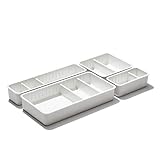
Do a genuine sweep of every room at kitten height (which is to say, floor level and up to about counter height) looking for anything smaller than a golf ball. Sewing kits, medication bottles left open on a nightstand, twist ties, and hair elastics left on the bathroom counter are the usual offenders. If it would fit in a toilet paper tube, it's a swallowing risk.
Windows, balconies, and the myth of the nine lives
Cats do not always land on their feet, and "high-rise syndrome" — the injuries cats sustain falling from apartment windows and balconies — is a well-documented and entirely preventable category of trauma. A kitten chasing a bug or a bird past an open window screen, or squeezing through a gap in a balcony railing, doesn't understand that the ground is several stories away. Screens that look secure to you are not secure to a determined, lightweight kitten pressing against them.
If you have windows that open without a fixed screen, or a screen you're not fully confident in, get proper cat-safety window screens designed to hold a cat's weight (brands like Screen Tight and CatScreens make purpose-built versions), or simply don't open those windows past a locked security gap of two inches or less while your kitten is unsupervised. Balconies are worse — enclose them with cat-proof netting or don't let your kitten out there at all until they're a calmer, heavier adult who isn't chasing every leaf that blows by.
Tipping furniture and the climbing instinct
Kittens climb because it's instinct, not disobedience, and a kitten that climbs a bookshelf, a floor lamp, or a wobbly side table can bring the whole thing down on themselves. The two real fixes are stabilizing what's already in your apartment and giving your kitten somewhere better to climb.
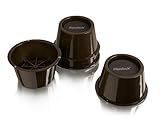
For stabilization, furniture risers aren't just for adding height — a set under the base of a bookshelf, media console, or plant stand widens the footprint and adds grip on hardwood or tile, which meaningfully cuts down on tipping when a kitten launches onto a shelf or climbs the side of something top-heavy. It's a five-minute fix for furniture you're not going to anchor to the wall.
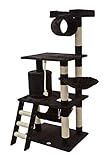
The better long-term fix is redirection: give your kitten a climbing structure that's actually built to be climbed, so the bookshelf stops being the only interesting vertical option in the room. A cat tree near a window gives them height, a view, and somewhere to burn off the 6 p.m. zoomies that would otherwise happen on top of your dresser.
If floor space is tight, wall-mounted floating shelves do the same job with a smaller footprint. Stagger three shelves up a wall near a window and your kitten gets a climbing route that doubles as actual shelving when they're not on it.

Redirect, don't just remove
The mistake a lot of new kitten owners make is treating kitten-proofing as pure removal: take away the plant, take away the cord, take away the loose objects, and call it done. That's half the job. A kitten with nothing left to explore doesn't become a calm kitten — it becomes a bored one, and bored kittens find new trouble you haven't proofed against yet. Every hazard you remove should come with something appropriate to replace it: a cat tree instead of the bookshelf, cat grass instead of the toxic pothos, a puzzle feeder instead of batting bottle caps off the counter.
This is also where kitten-proof storage for food and litter earns its keep. Kittens are surprisingly capable of getting into an unsealed bag of food or a loosely closed litter container, and paw-proofing your kitten's own supplies is as much a part of this as proofing the rest of the apartment.

What to skip
You don't need to buy every "kitten-proofing kit" sold as a bundle — most of them pad out a box with foam corner guards and outlet plugs that solve toddler problems, not kitten ones. A few things genuinely aren't worth your money:
- Furniture corner guards. Kittens don't injure themselves on sharp table corners the way toddlers do. Skip these unless you have a genuinely sharp glass or metal edge at cat-jumping height.
- Cheap plastic outlet covers meant for babies. Cats don't stick fingers in outlets. The real electrical risk is cord chewing, not outlets themselves — put your money into cord management instead.
- Motion-activated "keep off the counter" spray devices. They startle kittens (and you), don't teach anything long-term, and most owners stop using them within a month. A consistent redirect to an approved surface works better and doesn't need batteries.
- Bitter-apple-coated everything. Useful on a specific problem cord for a few weeks, but treating the whole apartment with deterrent spray is expensive and most kittens get used to the taste within a few applications anyway.
Doing a room-by-room sweep
Before your kitten comes home, walk each room at floor level — actually crouch down — and look for what a cat sees that you don't from standing height. Kitchen: is the trash can kitten-proof, with a locking or weighted lid a paw can't flip open (SimpleHuman's step cans with a secure lid work well, or any can with a hinged, heavy top)? Bathroom: is the toilet lid down, are cleaning products behind a latched cabinet, is dental floss capped? Bedroom: are blind cords tied up out of reach (a real strangulation risk, not just a chew hazard), is the closet door that leads to who-knows-where kept shut? Living room: are cords contained, is every plant checked against the ASPCA list, is the bookshelf stable?
Do this sweep again about a month in. Kittens grow fast, and a hazard that was out of reach at nine weeks — the top of a low bookshelf, the gap behind the fridge — is well within reach by four months.
Frequently asked questions
What are the most dangerous houseplants for kittens?
Lilies top the list and are the most urgent — even pollen or a nibbled leaf can cause fatal kidney failure in cats, and there's no safe way to keep a true lily in a home with a cat. Other common toxic plants include pothos, philodendron, sago palm, aloe vera, and dieffenbachia. Check the ASPCA's free toxic plant list against everything you already own before bringing a kitten home.
How do I stop my kitten from chewing cords?
Containment beats deterrent sprays long-term. Bundle loose cord slack inside a cable management box, wrap any cord that must stay exposed in a hard plastic cord protector or split loom tubing, and route cables along baseboards instead of across open floor. Most kittens age out of serious cord-chewing by eight or nine months as the teething phase passes.
Is it safe to leave windows open with a kitten in the apartment?
Only with a screen you're genuinely confident can hold a cat's weight — regular window screens are not built for this and "high-rise syndrome" falls from apartment windows are a real, common injury. Use purpose-built cat-safety screens, or limit any openable window to a locked gap of two inches or less while your kitten is unsupervised.
What small objects are actually dangerous to kittens?
Rubber bands, hair ties, bag clips, bottle caps, paper clips, and dental floss are common causes of intestinal blockages requiring surgery. Kittens are drawn to exactly this category of small, flickable object, so anything smaller than a golf ball should be in a drawer or lidded container, not loose on a counter or in an open junk drawer.
How do I keep my kitten from tipping over furniture?
Widen the base of anything tall and unanchored — bookshelves, plant stands, media consoles — with a set of non-slip furniture risers, which adds stability and grip on hardwood or tile. Longer term, give your kitten an approved place to climb, like a cat tree or staggered wall shelves near a window, so the bookshelf stops being the only interesting height in the room.
When can I stop worrying about the destructive kitten phase?
Most of the highest-risk behaviors — teething-driven cord chewing and reckless jumping — ease significantly by eight to twelve months as kittens mature into cats. That said, the hazards themselves (toxic plants, open windows, small swallowable objects) stay relevant for the cat's whole life, so treat kitten-proofing as the foundation for how you keep the apartment set up long-term, not a phase you undo later.
Do I need to kitten-proof if my cat will mostly stay in one room at first?
Yes, just scope it to that room first. A slow introduction to one kitten-proofed room (food, water, litter box, a hiding spot, and a check for cords, small objects, and open windows) is actually the recommended way to bring a kitten home. Proof each additional room before you open the door to it, rather than proofing the whole apartment at once.