A mattress that's gone hard as a park bench is one of the most common bedroom complaints, and also one of the cheapest to fix — if you buy the right topper instead of the first "extra plush" one that shows up in search results. The mattress itself isn't the problem most of the time. Innerspring and hybrid mattresses lose their give in the top comfort layer years before the support core underneath actually wears out, which is exactly the kind of problem a good topper solves and a new $1,500 mattress solves too, at thirty times the price.
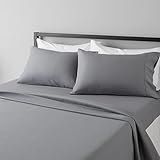
- Top pickAmazon Basics Microfiber Sheets (Queen)~$28
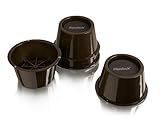
- Best budgetSlipstick 3" Furniture Risers (4-Pack)~$20
- Worth the splurgeBearaby Weighted Blanket~$199
The catch is that "mattress topper" is a category with wildly different products hiding under one name. A 2-inch memory foam slab, a down-and-feather cloud, and a dense latex pad all get called the same thing, and they solve the too-firm problem in completely different ways — some beautifully, some barely. Here's what actually works, what thickness and density numbers mean in practice, and which toppers to skip entirely.
Why your mattress went firm (and when a topper is actually the fix)
Every mattress has two parts: a support core that holds your body weight and keeps your spine aligned, and a comfort layer on top that determines how it feels against your skin. The comfort layer is made of thinner, softer material, and it's the part that breaks down first — usually somewhere between year three and year six, depending on quality and how much the mattress gets used. When that layer flattens or the foam oxidizes and stiffens, you feel the firm support core underneath with almost nothing cushioning it, which reads as "this mattress got hard" even though the actual structure hasn't changed.
A topper works by rebuilding that comfort layer from scratch, on top of whatever's left of the original one. It's genuinely the right fix if: the mattress is less than 8–10 years old, there's no sagging or body-shaped dip when you lie down (that's a support-core problem a topper can't fix), and the firmness complaint is specifically about pressure on hips and shoulders rather than back pain from sinking too far. If you're waking up with a numb arm or aching hip, a topper solves that. If you're waking up with lower back pain from your body sinking into a trough, the mattress itself needs replacing — no topper fixes a broken frame, it just adds a nicer layer on top of the problem.
Memory foam: the classic fix, if you get the density right
Memory foam is the default answer for a reason — it's the material best at filling the gap between your body and a too-firm surface, because it actually molds to pressure points instead of pushing back against them. But "memory foam topper" spans a huge quality range, and the number that actually matters is density, not the marketing name on the package.
- 3lb density foam is soft and cheap, but it breaks down within a year or two and tends to sleep hot. Fine for a guest room, not for a bed you use every night.
- 4lb density is the sweet spot for most people — enough structure to last 3–5 years, enough softness to actually fix a firm mattress, and a reasonable price.
- 5lb+ density foam is the most durable and the closest to a true "memory" feel, but it's also the most expensive and, without gel infusion, the warmest.
Thickness matters separately from density. A 2-inch topper takes the edge off a firm mattress without changing how it feels to get in and out of bed. A 3-inch topper meaningfully transforms a firm mattress into something close to medium-plush. Anything past 4 inches starts to feel like sleeping on a separate mattress stacked on top of your real one, which some side sleepers love and some people find disorienting — try to test at that thickness before committing if you can.
Down and feather toppers: hotel-bed softness, with a real tradeoff
If you've ever stayed at a nice hotel and wondered why the bed felt like a cloud, it was very likely a down or down-alternative topper doing the work, not the mattress itself. Down toppers use loose clusters of down and small feathers in a baffled fabric shell, and they create a different kind of softness than foam — instead of molding to pressure points, they redistribute your weight across a puffy, airy layer that you sink into gently rather than pressing back against.
The tradeoff is durability and maintenance. Down toppers need regular fluffing (daily, ideally) or the down clusters shift and clump, leaving flat, unsupportive patches within a few months. They also don't fix pressure-point pain the way memory foam does, since there's no molding effect — they're better for people who find their mattress firm in a general "too hard everywhere" way rather than people with specific hip or shoulder pain. On the upside, down sleeps cooler than most memory foam and feels genuinely luxurious. It's the right pick for someone who wants the hotel-bed feeling and is willing to fluff it regularly; the wrong pick for someone who wants a "buy it and forget it" fix.
Latex toppers: the middle ground most people skip past
Latex is the topper category that gets the least attention and probably deserves the most. Natural or blended latex has a springier, more responsive feel than memory foam — it pushes back gently instead of slowly sinking, so it fixes a too-firm mattress without the "stuck in wet sand" sensation some people dislike about deep memory foam. It's also naturally more breathable than standard memory foam, since latex is made with an open-cell structure that doesn't trap heat the same way.
The two real downsides: latex toppers cost more than comparable memory foam, and they're heavy — a queen-size 3-inch latex topper can weigh 25+ pounds, which matters when you're wrestling it onto a bed or flipping a mattress underneath. If budget and weight aren't dealbreakers, latex is arguably the best all-around answer to "my mattress is too firm and I also run hot," since it solves both problems at once instead of trading one for the other.
Cooling: the part people get wrong on all three materials
"Cooling" on a topper label usually means one of three actual things, and they are not equally effective. Gel-infused memory foam disperses heat slightly better than plain foam but still traps warmth if it's thick and dense — the gel helps at the surface, not throughout. Copper- or graphite-infused foam works the same way: a modest surface-level improvement, not a fundamental fix. Genuinely breathable materials — latex, and to a lesser extent down — outperform any "infused" foam claim because the structure itself allows airflow instead of trying to wick heat away after the fact.
If you run hot at night, the biggest lever isn't actually the topper material — it's everything around it. A dense, non-breathable topper under heavy flannel sheets and blackout curtains that keep a room stuffy will sleep hot no matter what the label promises. Breathable sheets, a topper on the thinner end of its category, and a bedroom that's actually cool and dark at night solve more of the heat problem than any single "cooling gel" claim does.
What to skip, and the full fix-it setup
A few categories aren't worth buying no matter how the listing is worded. Egg-crate foam pads (the ridged, waffle-pattern foam sold as ultra-cheap toppers) do almost nothing for a firm mattress — the ridges compress flat under body weight within weeks, and there's no meaningful density to actually cushion pressure points. "Overfilled" polyester fiberfill pads are the fabric equivalent — fluffy in the package, flat within a month, and they don't fix firmness so much as disguise it for the first few nights. And any topper under 2 inches thick, in any material, is too thin to meaningfully change how a genuinely firm mattress feels — you're paying for a placebo.
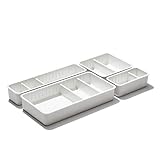
Once the topper itself is sorted, a few other pieces round out an actual sleep-quality fix rather than a firmness patch. A weighted blanket layered on top distributes pressure evenly across the body, which pairs surprisingly well with a softer topper for people who liked the sensation of "being held" that a too-firm mattress used to (unintentionally) provide. If you're rearranging the bedroom to fit the new setup, furniture risers under the frame legs free up several inches of storage underneath for the extra bedding you'll accumulate swapping toppers seasonally. And a small out-of-the-way spot for a lamp and a nightstand drawer organizer keeps the "getting into bed" routine from being the reason you're still awake at midnight.


Frequently asked questions
Will a mattress topper actually fix a too-firm mattress, or do I need a new mattress?
A topper fixes firmness caused by a worn-down comfort layer, which is the most common cause on mattresses under 8–10 years old. It won't fix sagging, a body-shaped dip, or back pain from sinking into a broken support core — that's a structural problem the mattress itself needs to solve, and no topper thickness or density corrects it.
What thickness of mattress topper should I get for a firm mattress?
2 inches takes the edge off without changing the overall feel much. 3 inches is the range that meaningfully transforms a firm mattress into something close to medium-plush for most people. Past 4 inches you start sleeping on what feels like a separate mattress stacked on top of your real one — great for some side sleepers, disorienting for others.
Is memory foam or latex better for a too-firm mattress?
Memory foam molds to pressure points and is the better pick if your complaint is specifically hip or shoulder pain. Latex has a springier, more responsive feel, sleeps cooler, and is the better all-around pick if you're also a hot sleeper — it just costs more and weighs noticeably more per inch of thickness.
What density memory foam topper should I buy?
4lb density is the sweet spot for most people — durable enough to last 3–5 years and soft enough to actually fix a firm mattress. 3lb density is cheaper but breaks down within a year or two. 5lb+ is the most durable and closest to a true memory-foam feel, but it's pricier and, without gel infusion, runs the warmest of the three.
Do cooling mattress toppers actually work?
Gel- and copper-infused foam offer a modest, surface-level improvement over plain foam, but they don't fundamentally solve heat retention in a thick, dense topper. Genuinely breathable materials like latex outperform any "infused" claim because the open structure allows airflow instead of trying to wick heat away after the fact. Room temperature and sheet material matter as much as the topper itself.
Are down mattress toppers worth it?
Yes, if you want the plush "hotel bed" feel and don't mind the maintenance — down clusters shift and clump without regular fluffing, leaving flat spots within a few months. Down doesn't mold to pressure points the way memory foam does, so it's a better fit for someone whose mattress feels generally too hard rather than someone with specific hip or shoulder pain.
What mattress toppers should I avoid?
Egg-crate ridged foam pads and overfilled polyester fiberfill pads both compress flat within weeks to a month and don't meaningfully fix firmness — they disguise it for a few nights at most. Anything under 2 inches thick, regardless of material, is too thin to change how a genuinely firm mattress feels.
How long do mattress toppers last?
4lb-density memory foam and mid-range latex both last roughly 3–5 years with normal use. Down toppers can last longer structurally but need regular fluffing to avoid clumping. Cheap 3lb foam, egg-crate pads, and fiberfill pads typically flatten out within a year or less regardless of how gently they're used.