Every duvet insert is fluffy on day one. That's not the test. The test is what it looks like eight months later, after forty washes and a few thousand nights of you rolling over in your sleep. Most inserts fail that test — the fill slides to the corners, the middle goes flat, and you end up sleeping under something that resembles a lumpy pillow with delusions of grandeur. A few don't. The difference almost never comes down to price. It comes down to two boring-sounding things: how the shell is stitched, and what's actually inside it. Get those two right and the clumping problem mostly disappears.
- Top pickNICETOWN Blackout Curtains (2 panels)~$30 per pair
- Best budgetOXO Good Grips POP Container (3.4qt)~$16 each
- Worth the splurgeBayka Floating Shelves (Set of 3)~$36 for set of 3
This guide walks through exactly what to look for when you're shopping for an insert, plus the actual gear — covers, storage, and wash-day tools — that keeps whatever insert you land on from clumping in the first place. That's the part nobody tells you: a great insert cared for badly clumps just as fast as a mediocre one.
Why duvet inserts clump in the first place
Clumping is fill migration. Down and down-alternative fibers aren't glued in place — they're loose, and they move toward wherever there's the least resistance. Every time you toss, turn, or yank the duvet up to your chin, you're pushing fill around inside the shell. Over months, gravity and friction sort that fill into pockets: heavy clusters in the corners, thin bald patches down the middle. Once clusters form, they compact under body weight and stop springing back — that's the "lumpy pancake" phase everyone eventually recognizes.
Three things accelerate it. An under-filled insert has too little loft to resist compacting. Moisture is another — down that goes into storage even slightly damp will clump permanently as the fibers stick together while drying. And most common: an insert with no internal structure, so nothing physically stops fill from wandering the moment you start using it. That last one is a construction problem, and it's fixable by shopping smarter — the next section.
Baffle-box vs. sewn-through: the construction that actually matters
This is the single most important spec on the tag, and it's also the one most shoppers skip past to look at the fill power number instead. Don't skip it.
Sewn-through construction stitches the top and bottom fabric layers directly together in a grid or diamond pattern, creating flat pockets with no side walls. It's cheap to manufacture, which is why it shows up on nearly every budget duvet insert. The problem is baked into the design: at every seam, the fabric is compressed to nothing, so fill can migrate straight through the stitch line into the next pocket. There's no wall stopping it. A sewn-through insert will clump — not might, will — usually within the first year of regular use.
Baffle-box construction adds a strip of fabric (the "baffle") standing upright between the top and bottom layers, so each pocket is a genuine three-dimensional box rather than a flat compressed seam. Fill has walls on every side. It can still shift a little within its own box, but it physically cannot migrate into the next section. This is why every duvet insert that actually holds its loft for years — the ones hotels and serious bedding brands use — is baffle-box, full stop. It costs more to sew because it uses more fabric and more labor. That cost is the entire reason budget inserts skip it.
The shopping rule is simple: if a listing doesn't specify baffle-box (or "gusseted") construction, assume it's sewn-through, and assume it will clump. This one line item matters more than fill type, thread count, or brand name combined.
Down vs. down-alternative: which stays fluffier over time
Once construction is settled, fill type is the second lever. Both real down and modern down-alternative fill can perform well in a good baffle-box shell — and both will clump fast in a bad sewn-through one. But they age differently.
Real down (goose or duck clusters, not feathers) has natural three-dimensional structure that springs back after compression better than almost anything synthetic can replicate. A quality down insert, properly maintained, can hold meaningful loft for a decade or more. The tradeoff: down needs to stay bone dry, needs occasional professional cleaning rather than casual home washing, and it's genuinely expensive at the fill weights that resist clumping.
Down-alternative (usually siliconized polyester clusters engineered to mimic down's structure) has closed the gap enormously in the last decade. The good versions — look for "gel fiber" or "cluster fill" rather than flat polyester batting — spring back well and, crucially, are machine washable without the anxiety. The bad versions are just stuffing, and they compact permanently the first time they get wet. Down-alternative is also the obvious choice if anyone in the house has feather allergies, since even down-proof ticking isn't a guarantee for sensitive sleepers.
Our honest take: if you actually wash your bedding regularly, a well-made down-alternative insert in a baffle-box shell will out-survive a mediocre down insert. Construction beats fill type when the two conflict.
Fill power, GSM, and warmth ratings — what the numbers actually mean
Fill power measures loft, not warmth directly — it's how many cubic inches one ounce of down expands to fill. Higher fill power (600+) means the down is more efficient, so you need less of it by weight to get the same warmth, which also means a lighter, less clump-prone duvet for the same loft. For down-alternative, look for GSM (grams per square meter) instead; anything under 200 GSM for a warm-weather insert or 300+ GSM for winter is a reasonable baseline, but GSM varies a lot by brand so treat it as a rough guide, not gospel.
Warmth ratings ("summer," "all-season," "winter weight") matter for clumping indirectly: an insert that's too warm for your bedroom gets kicked off and balled up nightly — exactly the kind of repeated compression that causes premature clumping. Matching warmth to your actual bedroom temperature isn't just a comfort issue, it's a longevity issue. A cooler, better-regulated bedroom lets you use — and keep flat — a heavier insert instead of constantly kicking off a mismatched one.
The wash-and-fluff routine that actually prevents clumping
This is where most clumping happens, not from sleeping on the insert. Bad washing and drying technique will destroy a great baffle-box insert faster than years of normal use will.
- Check the machine capacity first. A duvet insert needs room to tumble freely in both the washer and dryer. Cramming a queen or king insert into a standard home washer compresses the fill unevenly and is one of the top causes of permanent clumping. If it doesn't have several inches of room to move, use a laundromat's oversized machine instead.
- Wash on cold or warm, never hot, with a small amount of detergent — down and down-alternative both trap soap easily, and residue left behind is a big contributor to matting.
- Dry low and slow, and don't skip the tennis balls. Toss in three or four wool dryer balls (clean tennis balls work in a pinch) to physically beat the clusters apart as they dry. Skipping this step is the single most common reason a freshly-washed insert comes out of the dryer clumped when it went in fine.
- Fluff and rotate weekly between washes. Shake the insert out, redistribute fill by hand toward any thin spots, and rotate it 180 degrees inside its cover. This costs you thirty seconds and meaningfully slows fill migration.

Between washes, the shell matters too. A breathable, tightly-woven cover keeps moisture from settling into the fill overnight — the slow, invisible way inserts clump without anyone noticing until it's too late. A genuinely breathable base layer on the bed helps here too.

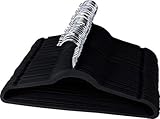
After washing, let the cover air out completely before the insert goes back in — trapping any residual dampness inside a closed duvet cover is asking for it to clump within weeks. A simple hanger over a shower rod or laundry line does the job in a couple of hours.
Storing a spare insert without ruining it
If you own a seasonal swap — a lighter summer insert and a heavier winter one — how you store the off-season one matters as much as how you wash it. The instinct to vacuum-seal a duvet insert into a tiny flat bag for six months is understandable and also exactly how you guarantee it comes out clumped. Fill needs at least some room to breathe; permanent, extreme compression for months crushes the cluster structure in ways that don't fully spring back. If you compress it for space reasons, don't max it out — compress enough to fit the space, not to the smallest possible size.
Better than the closet floor: dedicate shelf space so the insert stores loosely folded rather than crammed under other bedding. Linen closet shelving that actually has room changes this from a chore into a non-issue.

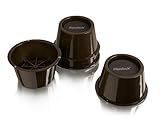
And if under-bed storage is your only real option, lift the bed frame a few inches with risers first — it turns a tight, airless gap into a space with enough clearance for the insert to sit in a breathable bag rather than jammed flat against the floor.
What to skip, in short: any insert that doesn't mention baffle-box, gusseted, or box-stitch construction anywhere in the listing (assume sewn-through, assume it clumps within a year); ultra-cheap "hotel style" inserts under roughly $30 for a queen, where the price rarely covers both adequate fill weight and baffle-box sewing; and "spot clean only" labels unless you're genuinely prepared to pay for professional cleaning every time — an insert you're afraid to wash is one that eventually clumps from years of accumulated moisture and oils you never removed.
Frequently asked questions
What's the single biggest cause of duvet clumping?
Sewn-through construction, hands down. Flat-stitched seams give fill nowhere to be contained, so it migrates into corners and thin patches almost from the first wash. A baffle-box (gusseted) insert with genuine internal walls prevents most of this regardless of whether the fill is down or down-alternative.
Is down or down-alternative better for preventing clumps?
Construction matters more than fill type, but between two well-built baffle-box inserts, real down generally holds its loft longer over many years. Down-alternative has closed the gap significantly and is easier to machine wash without anxiety, which in practice means it often gets properly cleaned more often — a real advantage for people who don't want to deal with dry cleaning.
Can a clumped duvet insert be fixed?
Sometimes, partially. A wash on cold with a small amount of detergent, followed by a low, slow dry cycle with three or four wool dryer balls to break up clusters, can restore meaningful loft to a mildly clumped insert. Severely matted fill — especially down that's been compressed wet — usually won't fully recover no matter how it's washed.
How often should you wash a duvet insert?
Every 3 to 6 months if it's inside a duvet cover, since the cover is doing most of the work protecting it from body oils and moisture. Wash the cover itself weekly to biweekly like you would sheets. If you sleep without a cover, wash the insert more often, following the specific care label.
Do vacuum storage bags ruin duvet inserts?
Extended, maximum compression can permanently crush cluster structure, especially in real down. Short-term, moderate compression for seasonal storage is generally fine, but avoid squeezing it to the smallest possible size and don't leave it fully compressed for many months without a fluff-and-air break.
What fill power should I look for to avoid clumping?
600 fill power or higher for down is a reasonable floor — it means less fill by weight is needed to achieve the loft, which also means less bulk to migrate and mat over time. For down-alternative, prioritize "cluster fill" or "gel fiber" over flat polyester batting, and check that GSM matches your warmth needs rather than assuming higher is automatically better.