There's a specific kind of romance novel that gives romance readers a bad name to people who haven't actually read one in a decade: two people meet, they bicker, they kiss, they have a miscommunication in chapter eighteen, they resolve it, the end. Nothing else happens. No stakes outside the relationship, no plot that would survive if you removed the couple entirely, nothing pulling you through the pages except waiting for two people who are obviously going to end up together to admit it. That's a real subgenre and plenty of people love it. This article isn't for them.
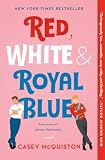
- Top pickRed, White & Royal Blue~$14
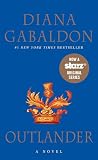
- Best budgetOutlander~$10
This is for the reader who wants the romance and a book — political scandal, a heist-shaped scheme, a fantasy war, a career on the line, a mystery about why two friends stopped speaking. Stories where you could summarize the plot to someone who's never read a romance novel in their life and it would sound like an actual pitch, not just "they fall in love." The picks below are sorted by what kind of plot they layer underneath the relationship, because "romance with a real plot" isn't one flavor — a political thriller wearing a romance-shaped skin reads nothing like a fantasy war epic that happens to have a love story in it.
The actual complaint: banter is not a plot
Banter is a symptom people mistake for a cause. A book can have genuinely funny, propulsive dialogue between two leads and still have zero plot, because banter is a delivery mechanism for chemistry, not a substitute for stakes. The tell is simple: if you removed the romance from the book, would there be anything left? In a plot-light romance, the answer is no — cancel the wedding, delete the meet-cute, and there's no story, just two characters with nothing to do.
In the books below, the answer is yes. Take the romance out of Red, White & Royal Blue and you still have a diplomatic crisis and a leaked-email scandal threatening a presidential re-election. Take it out of A Court of Thorns and Roses and you still have a war between fae courts and a curse that has to be broken. That's the difference this list is actually sorting for — not "which books are well-written" (most competent romance is well-written) but "which books have a second engine running underneath the relationship one."
Political and institutional stakes: something bigger than the couple loses if they fail
This category is the clearest version of "actual plot": there's an institution — a government, a monarchy, a campaign — with its own mechanics, its own deadline, and its own losses if things go wrong, completely independent of whether the couple ends up together. Red, White & Royal Blue above is the obvious entry point, but the shape of the thing is worth naming so you can spot it elsewhere: a ticking external clock (an election, a treaty, a scandal about to break), consequences that land on people who aren't the two leads, and a resolution that has to satisfy the institutional plot and the relationship plot separately. If the book can't answer "what happens to the country/company/campaign if these two don't work it out," it's not actually using the stakes it's claiming to have.
Fantasy and historical scale: the world is at stake, not just the relationship
Fantasy romance and historical romance solve the "actual plot" problem almost automatically, because the genre conventions around them — wars, curses, rebellions, empires — force a plot to exist whether or not the romance does. The risk on this side is the opposite one: some fantasy romance leans so hard on the relationship that the war becomes wallpaper. The two below don't have that problem; the war and the history are load-bearing.

Contemporary plots: careers, long cons, and the mystery of what actually happened
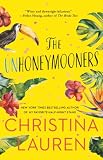
Not every "actual plot" needs a war or a presidential campaign. Contemporary romance gets real plot from smaller, more relatable stakes done well: a career on the line, a years-long friendship with something unresolved buried in it, or a scheme that has to be executed under pressure without collapsing. The three below hit three different versions of that — a professional rivalry, a slow-reveal mystery about a friendship, and a full-blown scheme that spirals out of control.


What to skip: plot in name only
A lot of romance covers and back-cover copy promise plot they don't deliver, and it's worth knowing the tells before you buy. The "one bed" or "fake dating" premise with nothing riding on it. Fake dating can absolutely support real plot (there's a reason it's a device in Red, White & Royal Blue), but plenty of books use it purely as an excuse to force proximity, with no actual consequence if the ruse fails. If nobody loses anything when the pretense collapses, it's a setup, not a plot.
A "mystery" or "secret" that's just withheld backstory. Some books market themselves on a hidden past or a buried secret, then reveal it's just "my ex hurt me once" with no bearing on anything happening in the present-day plot. That's internal emotional stakes, which are fine, but it's not the external plot engine the marketing implies.
A workplace or industry setting used only as a meet-cute generator. A book set at a magazine, a law firm, or a bakery isn't automatically plot-driven just because there's a job in it — check whether the job actually creates conflict and stakes (a case that has to be won, a business that could fail) or whether it's just scenery for the two leads to bump into each other in the break room.
Anything where the "twist" is solved in one conversation. Real plot has escalation — the political scandal gets worse before it gets better, the war has real losses, the scheme nearly gets caught more than once. If the entire external conflict resolves the moment two characters finally talk, there was never much of a second engine running to begin with.
Where to start if this is your first "romance with a real plot" pick
If you're coming from thrillers or general fiction and testing the waters, start with Red, White & Royal Blue or The Unhoneymooners — both read fast, both have a plot that would work as a pitch on its own, and neither asks you to buy into a fantasy world's rules first. If you already love big, dense series and don't mind committing, Outlander or A Court of Thorns and Roses reward that commitment with genuinely huge plots, but they're a bigger investment of pages before the payoff lands. And if you want something that reads like upmarket contemporary fiction with a romance folded in rather than the other way around, Beach Read is the best entry point — it's the one on this list least likely to be shelved as "just romance" by someone who's never picked one up.
The honest bottom line: "romance with actual plot" isn't a hidden subgenre you need a secret list to find — it's most of the genre's biggest, most commercially successful titles, which tend to also be the ones that get read by people who don't normally read romance at all. That's not a coincidence. A real plot is what gets a book handed across the office to someone who swears they don't read this stuff.
FAQs
What actually separates a "plot romance" from a regular romance novel?
An external stakes system that exists independent of the couple — a war, a scandal, a career, a scheme — with its own consequences if it goes wrong. Remove the relationship and a plot-driven romance still has a story left; remove it from a purely relationship-driven one and there's nothing left to tell.
Is A Court of Thorns and Roses more fantasy or more romance?
It's genuinely both, and which one dominates shifts across the series — book one leans more toward a fantasy curse-and-court-politics plot with romance woven through it, while later books in the series lean harder into the relationship. If you want the plot-forward experience described here, start with book one and judge for yourself how the balance feels to you by the end.
Do I need to read Outlander in order, or can I start anywhere in the series?
Start with book one. The series builds its political and historical plot cumulatively across nine books, and the romance itself develops in ways that depend on everything that happened before — this isn't a series with standalone entries you can jump into partway through.
Are these books heavy on spice, or mostly plot with the romance in the background?
They range. Red, White & Royal Blue and The Unhoneymooners both include open-door scenes; Beach Read and People We Meet on Vacation are lower-heat and lean more on emotional tension; Outlander and A Court of Thorns and Roses both include explicit content as part of longer, plot-heavy books. None of these are "closed door" if that's specifically what you're looking for — the plot is the point of this list, not the heat level.
What's a good next pick after finishing all of these?
Look for the same tell described above: check whether the back-cover copy describes a conflict that would still matter if the romance were removed. Authors like Christina Lauren, Emily Henry, and Casey McQuiston all have other titles worth checking against that same standard — their catalogs are a reasonable next stop once you know what you're filtering for.
Is it worth buying these in hardcover, or is paperback fine?
Paperback is fine for all of them and is how most readers buy this genre — none of these benefit meaningfully from a hardcover format the way, say, an illustrated edition would. Save the difference and buy paperback unless you specifically collect a favorite author's hardcovers.