Headphones are one of the only gifts that scale cleanly from "I don't know you that well but I have to bring something to the office grab bag" all the way up to "this is the big anniversary gift." Same category, wildly different price points, and — this is the part people get wrong — wildly different jobs to do depending on who's unwrapping them. A $45 pair and a $400 pair aren't a worse version and a better version of the same gift. They're answers to different questions.
- Top pickSoundcore P3i Wireless Earbuds~$45
- Worth the splurgeSony WH-1000XM5 Headphones~$398
So instead of one more "best headphones" ranking, here's a tier list built around the actual gifting problem: who are you buying for, and what tier does that relationship actually call for? We're anchoring this around three real, currently-available pairs that map cleanly onto budget, mid, and splurge — plus a couple of small add-ons that make any tier feel a little more finished. If you already read our headphones under $100 guide, this is the wider-lens version — same honesty, three times the price range.
How to pick a tier (before you pick a pair)
The instinct with headphones as a gift is to ask "what's the best pair I can afford?" That's the wrong question. The right one is "what does this relationship actually need from a gift right now?" A few honest rules of thumb:
- Budget tier is for anyone you like but don't know intimately — a coworker in a gift exchange, a cousin at the extended-family white elephant, a teenager who'll lose or destroy them within six months anyway. Low stakes, real usefulness, no guilt if they end up in a junk drawer.
- Mid tier is for people you actually know — a sibling, a parent, a close friend, someone whose commute or gym routine you're aware of. It signals "I thought about your actual life," without tipping into "this gift needs its own thank-you card."
- Splurge tier is for the short list: a spouse, a partner, a parent who's impossible to shop for, the friend who already owns everything reasonable. This is the gift that's also a little bit for you — the one you hand over and watch their face do something.
Notice what's not on this list: income level, or how much you want to impress people. Tier should track the relationship, not the size of the bow.
Budget tier: the stocking-stuffer pick
This is the tier for someone you like but don't have to get exactly right. The bar is simple: do they work, are they comfortable, will the person actually use them instead of leaving them in a drawer. The Soundcore P3i clears that bar easily and still costs less than a nice dinner out.
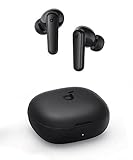
The case for stopping here: at $45, you're not gambling much if the fit isn't perfect. It's a genuinely useful gift with almost no downside — the kind of thing that gets used on a run or a flight even if it's never anyone's favorite pair. That's the whole job of this tier, and the Soundcore does it well.
Who this tier is wrong for: your spouse, your best friend, anyone you've bought a gift for every year for a decade. Not because the earbuds are bad — because in a close relationship, the gift should say more than "functional and inexpensive."
Mid tier: the smart splurge
This is the tier that does the most emotional heavy lifting on this whole list. It's expensive enough to feel like a real gift — not a stocking stuffer, not an afterthought — but not so expensive that it reads as trying to buy the relationship. It's the sweet spot for a sibling, a parent, or the friend you've known long enough to know their actual habits.
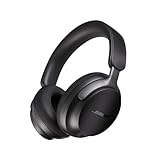
Here's why this tier works so well as a gift specifically: the person receiving it almost certainly wouldn't buy this for themselves. $329 sits in that awkward self-purchase zone — high enough that most people rationalize their way out of it, low enough that it doesn't feel irresponsible as a gift from someone who loves them. You're handing them the upgrade they've been quietly putting off.
Who this tier is right for: a sibling who commutes daily and complains about it, a parent who works from home and fights with a bad laptop speaker all day, a close friend whose old headphones you've personally watched fall apart. The gift lands because you know the specific daily friction it's solving.
Splurge tier: the one they'll actually talk about
At the top of the list is the gift that's allowed to be a little indulgent. This is for the person you'd genuinely regret under-gifting — a spouse, a long-term partner, a parent who's notoriously hard to shop for because they already own every "practical" thing. The Sony WH-1000XM5 is the industry-standard answer at this tier, and it earns that reputation.
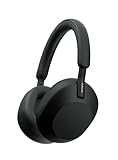
The honest reason this tier justifies its price for gifting purposes: unlike a lot of splurge gifts, this one gets used constantly — on every flight, every commute, every noisy afternoon they need to disappear into a podcast. A splurge gift that sits in a drawer is a bad splurge gift. This one becomes part of someone's daily armor within a week.
One honest caveat: if the person already owns a pair of premium noise-canceling headphones from the last two or three years, skip this tier — you'd be replacing something that works, not solving anything. Splurge tier is for a real gap, not an upgrade for its own sake.
The tier list at a glance
If you're deciding between the three under time pressure, here's the honest side-by-side:
| Tier | Pick | Price | Right for | Wrong for |
|---|---|---|---|---|
| Budget | Soundcore P3i | ~$45 | Coworkers, gift exchanges, teens, low-stakes gifting | A spouse, a "big" milestone gift |
| Mid | Bose QuietComfort 45 | ~$329 | Siblings, parents, close friends with a known daily routine | A stranger's Secret Santa |
| Splurge | Sony WH-1000XM5 | ~$398 | Spouses, partners, hard-to-shop-for parents | Anyone who already owns a recent premium pair |
The pattern worth noticing: price roughly triples at each step up, and so does the emotional weight the gift is expected to carry. That's normal, and it's a useful gut-check if you're stuck between two tiers — ask which emotional job you're actually trying to do, not just which one you can afford.
Round out the gift — and what to skip
Headphones at any tier feel more finished with one small, genuinely useful add-on rather than a pile of unrelated stocking stuffers. Two that actually earn a spot in the box:
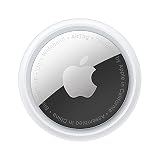
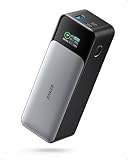
What to actually skip: generic no-name wireless earbuds under $20, the kind sold in multipacks with no listed noise-canceling spec and suspiciously identical reviews. They fail within months, the fit is universally bad, and "cheap earbuds" reads as an afterthought no matter how nicely you wrap it. The Soundcore P3i at $45 is a better gift than a $15 mystery pair — not much more money, and it actually works.
Also skip: premium over-ear headphones for someone who only ever wears earbuds. Form factor matters as much as price tier. A $400 over-ear pair sitting in a closet is a worse gift than a $45 pair someone actually puts in their ears.
If you can only remember one rule: match the tier to the relationship, not the occasion. A "big" occasion — an anniversary, a milestone birthday — doesn't automatically mean splurge tier is correct if the relationship itself is newer or more casual than the occasion suggests. And a "small" occasion, like a holiday gift exchange, doesn't cap you at budget tier if you're actually buying for your sister. Read the relationship first. The price tag follows.
Frequently asked questions
What's the actual difference between the Bose and the Sony pair?
Both are excellent noise-canceling headphones with strong reputations, so the difference is refinement, not function. The Sony WH-1000XM5 generally edges out on noise canceling and battery life and costs more; the Bose QuietComfort 45 is lighter on the head and about $70 cheaper. Either is a legitimately good gift — the honest choice comes down to budget and how much the recipient already owns.
Is it weird to give budget-tier earbuds as a gift to someone I know well?
It can read as low-effort if the relationship calls for more, which is why tier-matching matters. For a close family member or partner, budget tier alone can feel like an afterthought. Pairing it with something more personal, or moving up to mid tier, usually solves this without a big price jump.
Should I buy wired or wireless headphones as a gift?
Wireless, almost always, for gifting purposes. All three picks in this guide are wireless because that's what most recipients now expect by default, and wired headphones can read as an outdated choice even when the audio quality itself is fine.
What if I don't know whether they prefer earbuds or over-ear headphones?
Default to earbuds if you're unsure — they're more universally worn, easier to travel with, and less likely to clash with glasses, hairstyles, or personal style preferences. Over-ear headphones are the better gift only when you specifically know the person already prefers that format.
Is it worth buying an extended warranty or AppleCare-style protection for a splurge gift?
For anything at the $300+ tier, it's a reasonable add, particularly if the recipient is someone who tends to misplace or damage electronics. It's a practical (if less exciting) add-on alongside something like the AirTag 4-pack, which solves the "misplaced, not broken" half of that problem for a fraction of the cost.
What's the single best gift if I have to pick just one tier for a mixed group — like an office gift exchange?
Budget tier, without exception. The Soundcore P3i works because it's genuinely useful without assuming anything about the recipient's taste, habits, or existing gear. Mid and splurge tier both rely on knowing the person well enough to justify the price, which an office exchange rarely allows for.
Do noise-canceling headphones actually matter, or is it marketing?
It's real, and it's the single biggest functional difference between tiers on this list. Active noise cancellation meaningfully reduces engine drone on flights, chatter in open offices, and general commute noise — all three picks here have it, which is exactly why they made this list over cheaper alternatives that skip the feature entirely.