Most rain jackets are engineered for a mountain trail, and they look it. Crinkly nylon that announces every step, mesh-lined pit zips, a logo the size of a stop sign across the chest, a color picked so search-and-rescue can spot you from a helicopter. Put one of these on over a work outfit, a dinner reservation, or just a walk to get coffee, and you look like you got lost on your way to base camp. The good news: rain jackets that actually look like clothes exist. You just have to know what separates them from the technical stuff, and — just as important — what to walk straight past at the store.
- Top pickFjallraven Kanken Backpack Classic~$80
- Best budgetSpacesaver Vacuum Storage Bags (10-Pack)~$28
Why "technical" rain jackets look wrong with everything else you own
It's not really about the rain part. Every rain jacket, technical or not, has to solve the same problem: keep water out while letting some heat escape. The difference is in the choices made around that core job, and those choices are what your eye picks up on before you've consciously clocked why something looks "off." A hiking shell has a shiny, almost plasticky face fabric because that finish sheds water fastest and packs down small. It has a pre-curved, articulated sleeve so your arms move freely on a scramble, which makes the jacket look boxy and strange under a blazer or a cardigan. It has drawcords at the hem, the waist, and the hood, all with little plastic toggles, because a hiker needs to cinch out drafts on a ridge line. It has taped seams you can see from the outside, mesh vents under the arms, and reflective piping down the sleeve for visibility on a trail at dusk. None of that is bad design — it's excellent design for what it's for. It's just not for a sidewalk in front of your office.
Stack all of that together and you get the unmistakable silhouette of "technical outerwear": too much hardware, too much sheen, too much color, and a cut built for movement your actual day never asks for. That's the tell. It's not the water resistance giving it away. It's everything layered on top of the water resistance.
What actually makes a rain jacket look like real outerwear
Flip every one of those choices and you get a jacket that reads as a coat first and rain protection second, which is exactly the order you want. Look for a matte finish instead of a glossy one — waxed cotton, rubberized cotton, or a bonded fabric with a soft, chalky hand instead of shrink-wrap shine. Look for a structured shoulder and a straighter body instead of an athletic, pre-curved cut; it should hang the way a trench or a chore coat hangs, not the way a shell built for arm swings does. Look for hardware that's minimal or hidden — a hood that tucks into the collar instead of one permanently mounted and cinched with three toggles, a single interior storm flap instead of visible taped seams, snap or zip closures instead of a forest of drawcords. And look at the palette: olive, navy, camel, black, oat, a deep forest green. Almost no genuinely well-dressed rain jacket comes in safety orange or highlighter yellow, no matter how "fashion" the brand's marketing photos try to make it look.
Fabric is the single biggest lever here. Waxed cotton (think Barbour) reads as heritage outerwear because it basically invented that category, and it happens to be genuinely waterproof when the wax coating is fresh. Rubberized cotton or nylon — the Stutterheim look, all smooth and slightly stiff — reads as a proper raincoat rather than gear. Bonded, wool-look softshells with a hidden waterproof membrane split the difference: from six feet away they look like a wool coat, and only up close do you notice they're doing double duty. All three of these fabric families do the actual job — keeping you dry — without doing it in a way that visually shouts about it.
The styles actually worth buying
You don't need to memorize fabric science to shop well here. A handful of brands and silhouettes have basically built their whole identity around "rain jacket that doesn't look like a rain jacket," and they're worth knowing by name before you start browsing:
- Stutterheim Stockholm raincoat — the rubberized, slightly stiff Swedish raincoat that started the whole "your rain jacket can look like outerwear, not gear" movement. Boxy, minimal hardware, reads as a coat in every photo.
- Rains jacket — Danish, matte-coated nylon, almost no branding, unisex sizing that leans oversized and clean. The closest thing to a uniform piece in this category right now.
- Barbour waxed cotton (Bedale or Beadnell) — the original heritage rain jacket. Needs occasional reproofing but ages into something that looks better every year instead of worse.
- L.L.Bean Trail Model Rain Jacket — camp collar, snap closures, a cut that borrows more from a chore coat than a shell. Genuinely waterproof, genuinely doesn't look like it.
- Uniqlo Blocktech Parka — minimalist, matte, and priced like a basic instead of a technical piece, which is rare for something this functional.
- Charles River Apparel New Englander — the preppy option. Structured, slightly cropped, popular with the boat-shoes-and-oxford-shirt crowd for a reason.
- Cole Haan packable trench — for anyone who wants "trench coat" first and "rain jacket" second. Folds small enough to live in a tote for the days the forecast is a maybe.
- Levi's rubberized slicker — a denim-brand take on the classic slicker shape, more affordable than the Scandinavian originals, similar matte rubberized look.
| Style | Fabric | Best for | Typical price | Why it doesn't read as "gear" |
|---|---|---|---|---|
| Stutterheim Stockholm | Rubberized cotton/poly blend | City commuting, dressing it up | $250–$350 | Matte, boxy, near-zero visible hardware |
| Rains jacket | Matte-coated nylon (PU) | Everyday, unisex, minimalist wardrobes | $100–$160 | No logo, straight cut, coat-length hem |
| Barbour Bedale | Waxed cotton | Countryside look, long-term ownership | $350–$450 | Heritage cut, ages like leather, not synthetic |
| L.L.Bean Trail Model | Waxed-look nylon, snap front | Casual, camp-collar silhouette | $130–$170 | Chore-coat cut, snaps instead of toggles |
| Uniqlo Blocktech | Matte technical weave | Budget-minded minimalists | $70–$100 | Flat matte finish, almost no branding |
| Charles River New Englander | Coated poly/cotton | Preppy, structured looks | $70–$110 | Tailored shoulder, cropped hem |
| Cole Haan packable trench | Coated poly, trench cut | Office, travel, layering over suiting | $150–$250 | Trench silhouette reads as a coat, not a shell |
| Levi's rubberized slicker | Rubberized cotton | Budget alternative to Stutterheim | $90–$140 | Same matte slicker look, denim-brand price |
Gear that pairs with it without undoing the look
The jacket does most of the work, but what you carry it in — or carry alongside it — either supports the look or fights it. A technical rain jacket paired with a technical backpack just doubles down on "I am dressed for weather," which is the opposite of the goal. A structured, low-key bag reads as normal daily carry instead.
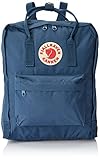
Neither of these is marketed as "rain gear," and that's exactly the point — they solve the same problem as the jacket (surviving wet weather intact) without looking like they were built in a lab for it.
What to skip entirely
- Hiking hardshells with a visible outdoor-brand logo. Even a great one — Gore-Tex membrane, taped seams, the works — reads as trail gear the second you put it on with jeans instead of hiking pants.
- Running windbreakers. Built for arm swing and airflow, not for looking like a coat. The cropped, athletic cut is a giveaway from across the street.
- Clear or translucent ponchos. Functional, cheap, and they make anyone look like they're covering a costume, not wearing an outfit.
- Neon or two-tone packable jackets. The kind that stuff into their own chest pocket. Great for a hiking trip, rough for a normal Tuesday.
- Anything with a chest logo bigger than a quarter. A rule of thumb, not a law, but it filters out most of the worst offenders instantly.
Caring for it — and storing it when it's not raining season
Waxed cotton needs occasional reproofing with a tin of wax and a hair dryer, maybe once a year if you wear it hard. Rubberized cotton or coated nylon should be hung to dry, never folded up while damp — creasing a wet rubberized coating is how it cracks and starts flaking within a season. Skip the washing machine entirely on anything waterproof-coated; the agitation and detergent break down the coating faster than rain ever will. Spot clean with a damp cloth and mild soap, and let it air dry on a hanger, not a radiator.
When the season turns and it's not coming out again for months, don't just cram it into the coat closet with everything else. Waterproof coatings do better uncompressed and away from direct heat, so a breathable garment bag or a loosely packed vacuum bag (not fully crushed flat, which stresses the coating) keeps it in better shape than getting shoved to the back of a packed closet.
Frequently asked questions
Is a non-technical rain jacket actually as waterproof as a hiking shell?
The good ones are, for normal use. Waxed cotton, rubberized coatings, and bonded softshells all block water effectively in regular rain — walking, commuting, running errands. Where a $400 Gore-Tex hiking shell pulls ahead is sustained, heavy, hours-long exposure with a heavy pack on your back, which almost nobody's daily life actually involves.
Why do rubberized raincoats feel stiff compared to a normal jacket?
The rubber or PU coating that makes them waterproof also makes the fabric less flexible than an uncoated nylon or cotton. It softens slightly with wear and warmth but never goes fully soft. That stiffness is also part of why they hang so cleanly and look structured instead of floppy.
Can I machine wash a waxed cotton or rubberized rain jacket?
No — machine washing strips or cracks both waxed and rubberized coatings over time. Spot clean with a damp cloth and mild soap, air dry on a hanger, and reproof waxed cotton with a dedicated wax product once it starts absorbing water instead of beading it.
What's the difference between "water-resistant" and "waterproof" on the label?
Water-resistant means it holds up to light rain or a quick drizzle before moisture starts soaking through. Waterproof means a sealed or coated construction that keeps water out through sustained rain. If you're buying for actual weather rather than just an overcast day, look specifically for "waterproof," not the softer claim.
Do I need a hood, or can I just carry an umbrella instead?
A hood that tucks away when you don't need it is the best of both — no umbrella to carry or forget, no permanently mounted hood ruining the coat's silhouette on dry days. If you hate hoods entirely, an umbrella plus a shorter jacket works fine; just skip jackets with a fixed, non-removable hood if that's your preference.
Are packable rain jackets a good non-technical option?
Some are. A packable jacket in a matte fabric and neutral color, from a brand like Cole Haan or a similar coated-poly trench style, can look completely normal. The ones to avoid are the ultralight nylon shells that stuff into a fist-sized pouch — those almost always come in the shiny, sporty fabric that reads as hiking gear no matter what color you get.