Your friend just brought home a dog. Maybe it's a rescue mutt with a mystery backstory, maybe it's a breeder puppy they've been planning for a year, maybe it's a foster that "didn't work out" because it worked out too well. Whatever the origin story, they are now exhausted, a little obsessed, and covered in fur they didn't consent to. This is the gift-giving window. Use it wisely.
The trap most people fall into is buying the dog a gift instead of buying the person a gift. A squeaky plush toy is cute, but it's not actually helpful if your friend is three days into crate training and hasn't slept. The best new-dog gifts either save the human time and money, or they solve a problem the human doesn't know they have yet. Below is a list built around that idea — plus a section on what to skip, because some "thoughtful" new-dog gifts are actually mild landmines.
What New Dog Owners Actually Need (Not What You Think They Need)
Everyone assumes a new dog needs more toys. What it actually needs is stuff that survives destruction, doesn't require assembly, and doesn't add one more thing to the owner's mental load. Skew toward items that are durable and low-maintenance — the gear below is what experienced dog owners buy for themselves once they figure out what actually gets used versus what sits in a bin.
Also worth saying up front: don't buy anything that requires knowing the dog's exact size or temperament unless you've met the dog. A collar in the wrong size is a return. A toy that's genuinely indestructible works for basically every dog. Shop for the second category.
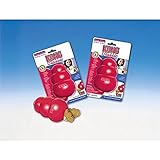
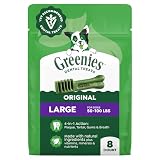
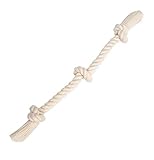
The Chew Toys That Actually Survive First
Here's a thing nobody tells new dog owners: you will buy at least five "durable" toys before you find the two or three that actually hold up. Skip that trial-and-error phase for your friend by gifting the toys that have already been through the wringer with millions of other dogs. The KONG Classic and the Mammoth rope above are the two that consistently show up on vet techs' and trainers' personal recommendation lists — not because they're flashy, but because they don't fall apart in a week and end up as a choking hazard.
If you want to go one step further, pair the KONG with a jar of peanut butter (check the label — some contain xylitol, which is toxic to dogs, so make sure it's a dog-safe brand or plain peanut butter) and a little card that says "for the 2am zoomies." It reads as thoughtful because it is — you're not just handing over a toy, you're handing over a coping strategy for the chaos of week one.
Cooling Mats: The Sleeper Hit Gift Nobody Thinks to Buy
This is the category that separates a generic gift from one that makes your friend say "wait, how did you know I needed this." New dogs — especially puppies, big-coated breeds, or anything coming from a shelter with concrete floors — run hot. A cooling mat is one of those items experienced owners swear by and first-time owners have never heard of.
You don't need all three — pick one based on climate and dog size, or default to the Arf Pets mat, the most forgiving option for both small and mid-size dogs.
For the Friend Who Immediately Became a Worried Parent
There is a very specific phase of new dog ownership where the person starts imagining worst-case scenarios: the dog slips a leash at the park, the dog bolts during a delivery, the dog somehow gets out during a thunderstorm. You cannot fix anxiety with a gift, but you can hand them a genuinely useful tool for it.
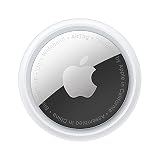
It's a four-pack meant for keys and luggage, which is a selling point — the extras can go on a car, a backpack, or a second pet. It's a bigger spend than most items here, so it works well as a group gift from a few friends.
What to Skip: Well-Meaning Gifts That Actually Annoy New Dog Owners
This is the part most gift guides skip, and it's the part that actually matters. Some classic "new puppy!" gifts create more work than joy in those first chaotic weeks. Here's what to leave off your list, and why:
- Squeaky toys, especially during the first month. If your friend is doing any kind of crate training or working on settling behavior, a toy that shrieks every time the dog touches it actively works against them. It overstimulates a dog that's supposed to be learning to self-soothe, and it will be banned to a closet by week two anyway.
- Elaborate feeding puzzles for a dog that hasn't learned basic routines yet. Enrichment toys are great once a dog has settled in, but a brand-new dog is often still figuring out where the food bowl lives, let alone a slow-feeder maze with removable pieces. Save it for month two or three.
- A cute but breed-inappropriate bed. A tiny plush bed for a dog that's clearly going to be 70 pounds in six months is money down the drain. If you want to gift a bed, get a gift card to a pet store instead so they can size it correctly once they know the dog's adult size.
- Matching outfits or costumes. Charming in theory, genuinely stressful in practice for a dog that's still adjusting to being touched by strangers, let alone dressed by them. Wait until the dog is fully settled — six months in, minimum.
- Anything scented "to calm the dog." Diffusers, sprays, and scented collars marketed as calming aids are hit-or-miss at best, and at worst can actually irritate a dog that's already stressed by a new environment. Skip it unless your friend specifically asks for a vet-recommended option.
The theme across all of these: new dogs need consistency and low-stimulation routines more than they need novelty. Gifts that add sensory chaos or extra decision-making for the owner usually end up unused, no matter how cute they looked in the store.
How to Actually Present These Gifts
Skip the bow on the dog's head — it stresses dogs out more than it photographs well. Instead, put together a basket with the KONG, the rope toy, and a bag of Greenies, and drop it off with a card that says something like "for the good boy/girl and the exhausted human who loves them." If you're going bigger with the cooling mat or the AirTags, text first: "hey, want to grab coffee, I have a little something for the dog situation" lands better than an unannounced doorstep drop mid-chaos.
Still not sure what they need? Ask. New dog owners are usually deep in research mode with strong opinions about what they already have three of. A five-second text saves you from a duplicate.
Frequently Asked Questions
What's the single best gift for someone who just got a puppy?
A KONG Classic stuffed with peanut butter or kibble is the most universally useful gift — it works for teething puppies, keeps a dog occupied during crate training, and survives more abuse than almost any other toy on the market.
Is a cooling mat really necessary, or is it overkill?
It's not strictly necessary, but it solves a problem most new owners don't anticipate: dogs run warmer than people expect, especially large or thick-coated breeds, and a cooling mat is one of those gifts that gets used daily once someone has it, even though they'd never have thought to buy it themselves.
Should I avoid buying toys entirely since I don't know the dog's size?
Not entirely — rope toys and classic KONG toys come in sizes but are fairly forgiving, and a rope in particular works across a wide range of dog sizes. If you're unsure, a mid-size option is a safe default, or ask the owner directly, since most people shopping for their own new dog have already researched sizing.
Why are squeaky toys on the "skip" list? Aren't they classic puppy gifts?
They're classic, but they can work against crate training and settling routines in the first few weeks, since the noise overstimulates a dog that's supposed to be learning to self-soothe. They're fine later on, just not ideal as a week-one gift.
Is an AirTag pack a weird gift for a dog?
Not at all — it's actually one of the most practical gifts you can give, especially for a rescue dog with an unknown history around fences, leashes, or startle response. Clipped to a collar with a cheap holder, it gives an anxious new owner real peace of mind, and the extra AirTags in the pack are useful for other things too.
What if my friend already has a lot of dog toys — what else can I gift?
Consumables are always a safe bet since they get used up rather than piling up: dental treats like Greenies, a cooling mat if they don't already have one, or a gift card to a pet supply store so they can fill in whatever gap they've actually identified after living with the dog for a few weeks.
Do these gifts work for an adult rescue dog, not just a puppy?
Yes — arguably even better. Adult rescues often skip the destructive puppy phase but still deal with anxiety, unfamiliar routines, and adjustment stress, so the cooling mats, chew toys, and AirTag all apply just as well, sometimes more so, than they would for a young puppy.