There is a specific kind of person who follows three van-life accounts, owns a flannel shirt for the aesthetic, and has never once zipped themselves into a tent. This article is for that person, and honestly, it might be for you. You like the idea of the outdoors. You like gear that looks like it survived a mountain. You will absolutely be sleeping in a hotel with a mini fridge and a Keurig. That is not a contradiction, it is a lifestyle, and it has its own gear list. The trick is buying things that genuinely work — a tumbler that keeps ice frozen through a whole road trip, a packing system that makes a hotel room look organized instead of like a bomb went off, a way to track your bag so it does not become someone else's gear — without wasting money on things that only look rugged in a product photo.
- Top pickStanley Quencher 40oz Tumbler~$45
- Best budgetMaster Lock TSA Combination Lock~$12
- Worth the splurgeAnker 737 PowerCore 24K Power Bank~$130
The honest quick answer
If you only buy three things off this page, buy the Stanley Quencher, a set of packing cubes, and an AirTag. The tumbler solves the actual physical problem of wanting cold water on a hike and hot coffee at 6 a.m. without a hotel ice bucket doing any work. The packing cubes solve the problem of a hotel room turning into a laundry crime scene by day two. The AirTag solves the problem of gear anxiety, which is real and which no amount of "rugged" branding fixes. Everything else on this list is a genuine upgrade, but those three are the ones that change how a trip actually feels.
The tumbler that does more work than your entire cooler
The Stanley Quencher became a meme before it became a genuinely good product, which is a shame, because underneath the pastel colors and the TikTok unboxing videos is a tumbler that actually holds ice for most of a day. That matters more than it sounds like it should. Camping-lite people are not filling a Yeti cooler with river ice, they are walking out of a Marriott lobby with a tumbler that needs to survive a trail, a car console, and a conference room, sometimes all in the same day. The handle is the underrated feature here — it clips to a carabiner, a daypack strap, or a bike rack, which is the whole point of the aesthetic. You are not actually bushwhacking. You are, however, going to look like you might be, and the tumbler dangling off your bag is doing a lot of that visual work.
Packing systems that make a hotel room feel like base camp
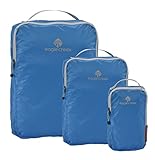
Real backpackers use packing cubes because ounces and inches matter when everything is strapped to your back for eleven miles. Hotel people should use packing cubes for a completely different reason: they turn a suitcase dumped open on a hotel bed into something that looks intentional. Eagle Creek's Pack-It Cubes are the industry standard for a reason — the mesh top panels let you see what is inside without unzipping everything, and the compression actually works, so a week of clothes fits into a carry-on instead of spilling across the bed like you are field-stripping for inspection. This is the gear equivalent of making your bed in a tent you never sleep in. It looks organized. It photographs well. It also, genuinely, makes it easier to find your socks.
Pair the cubes with a dedicated toiletry bag and the whole "I could survive in the wilderness" illusion holds together. The Bagsmart toiletry organizer hangs from a hook (a shower rod, a bathroom door, a tree branch if you are truly committed to the bit) and unrolls into compartments, which beats digging through a ziplock bag every single time. It is not rugged in any technical sense. It is rugged in the sense that it survives a dozen hotel bathrooms without falling apart, which is the only test that matters here.
Getting your liquids through security without the meltdown
Nothing kills the outdoorsy fantasy faster than getting pulled aside at TSA because your shampoo bottle is four ounces over the limit and now a stranger in a blue shirt is holding your face wash up to the light. A proper TSA-approved bottle set solves this permanently — silicone squeeze bottles in the right sizes, a clear quart bag included, and a funnel so you are not trying to pour conditioner into a two-inch opening in a hotel bathroom sink at 6 a.m. before a flight. Buy this once and stop repurchasing travel-size toiletries every trip, which is a genuinely bad habit that adds up over a year of travel.
While you are thinking about security lines, put a real lock on your checked bag or your daypack. A Master Lock TSA-approved combination lock lets airport security open it with their master key if they need to inspect it, but keeps everyone else out. It also does something less obvious: it makes your bag look like it belongs to someone who travels seriously, which, again, is the entire point of camping-lite gear. You are not protecting state secrets. You are protecting the vibe.
Never lose the gear you are trying so hard to look rugged with
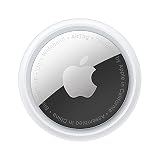
Here is the uncomfortable truth about camping-lite travel: your gear is nicer than actual campers' gear, because actual campers are optimizing for weight and you are optimizing for looking good in an airport. That means it is worth protecting. An Apple AirTag dropped into a backpack pocket, a checked bag, or a daypack turns "I think I left it at the last hotel" into "here is exactly where it is, down to the room." Four-packs are cheap enough that you can put one in every bag you own and one on a keychain, and the peace of mind is worth more than the twenty extra dollars for the multi-pack over buying single units one at a time as paranoia strikes.
This is also, unexpectedly, the most useful piece of gear on this entire list for actual hotel stays specifically. Hotels lose luggage during transfers between properties, bell stands misplace bags during conferences, and rideshare drivers drive off with backpacks left in the trunk more often than anyone wants to admit. An AirTag turns a panic into a location ping.
Power for the "off-grid" fantasy you will not actually attempt
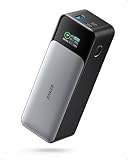
Real off-grid camping means solar panels and a battery bank the size of a briefcase. Camping-lite means your phone, a laptop, wireless earbuds, and maybe a portable speaker all need to survive a day of hiking, photographing, and pretending you do not have a hotel room with working outlets waiting for you at the end of it. The Anker 737 PowerCore is massive overkill for a single phone charge and exactly right for a full day of everything else — it will top off a laptop, a phone, and a set of earbuds simultaneously, and it is dense enough that you feel the weight and briefly consider whether you are, in fact, more prepared than the people around you who are actually camping. You are not. But the power bank does not know that, and neither does anyone watching you pull it out at a scenic overlook.
The backpack that sells the entire look
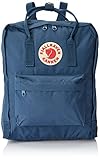
Every piece of gear on this list could be carried in a plain black backpack and nobody would notice. That is not the point. The Fjallraven Kanken is the single most efficient purchase for looking outdoorsy while doing almost no outdoor activity — it is instantly recognizable, comes in colors that photograph beautifully against both a forest and a hotel lobby, and happens to be a genuinely good daypack underneath the aesthetic. The foam seat pad built into the back panel is the detail nobody expects: it doubles as lumbar support on a long flight or a road trip, which means the bag is doing real ergonomic work even on days when the most rugged terrain you cross is a rental car parking lot.
It also fits as a personal item on nearly every airline, which matters more than any camping feature on this entire list, because getting your bag on the plane without a gate-check fee is the actual outdoor survival skill of modern travel.
What to skip entirely
Skip actual camping gear. A four-season tent, a folding camp stove, a compression sleeping bag rated for negative temperatures — none of it earns its shelf space if the plan is a hotel with a continental breakfast. It is expensive, it is heavy, and it will sit in a closet reminding you of a trip you never took. Skip carabiner multi-tools with a dozen gadgets clipped to your bag; they look purposeful in a display case and get you a second look at airport security for no real benefit. Skip novelty hydration packs and camelbaks unless you are actually hiking more than a couple of miles a day — a good tumbler covers 90 percent of the same need with none of the bulk.
Skip buying a headlamp, a paracord bracelet, and a multitool as a matching "adventure starter kit" from a discount rack. These bundles are almost always the cheapest components glued together under one appealing label, and they fall apart faster than buying one genuinely good version of any single item. If the goal is gear that looks good and works, one well-reviewed product beats a five-piece bundle every time.
FAQs
Is it actually worth buying "outdoorsy" gear if I never camp?
Yes, as long as you pick pieces that do real work in the situations you actually have — hotel rooms, flights, road trips, day hikes. Everything on this list earns its place whether or not a tent is ever involved, which is the entire filter to apply before buying anything branded as adventure gear.
Will the Stanley Quencher actually keep ice frozen all day?
In most conditions, yes, for six to twelve hours depending on how often it's opened and the ambient temperature. It won't outlast a dedicated expedition cooler, but for a day of hotel-to-trailhead-to-dinner use, it comfortably outperforms anything you'd get from a hotel ice bucket or a gas station cup.
Do I really need packing cubes for a short hotel trip?
For a two-night trip, they're a nice-to-have. For anything longer than four nights, or any trip involving multiple hotels, they become close to essential — they're the difference between finding a clean shirt in three seconds and unpacking your entire suitcase onto the bed every morning.
Is one AirTag enough, or do I need one per bag?
One per bag you'd genuinely be upset to lose. Most people put one in a checked bag or main backpack and call it done. The four-pack exists because once people start using them, they tend to want one in a daypack, a laptop bag, and sometimes a jacket pocket, too.
Can I bring the TSA bottle set and the Master Lock in a carry-on?
Yes to both. The silicone bottles just need to be within the 3-1-1 liquid limit and in the included clear quart bag. The TSA lock is designed specifically to be carry-on and checked-bag legal, since airport security can open it with a master key without needing to cut it.
Is the Anker power bank allowed on a plane?
Yes, portable batteries under 100Wh are allowed in carry-on luggage on virtually every airline, and the 737 PowerCore falls under that limit. It must go in your carry-on, not checked luggage, which is standard for any lithium battery pack.
What's the one piece of gear worth splurging on if I can only pick one?
The Stanley Quencher, honestly. It's the item you'll actually use every single day, in a hotel room, in a car, at a desk, on a short walk, regardless of whether any of the "outdoorsy" part of the trip ever happens.