Somewhere in your building there is a thermostat set to 68 degrees, and somewhere near your desk there is a vent blowing directly on your chair, and the combination means you've been cold since March. You are not imagining it, and you are not going to win the fight to change the setting — facilities has heard every version of this complaint and the thermostat hasn't moved in years. The only lever you actually control is what's on your body between 9 and 5, and most people pull that lever badly: one giant cardigan thrown over everything, reapplied a dozen times a day, doing a mediocre job the whole time. Here's the system that actually works — layers that go on and off in seconds, store themselves at your desk, and stop the 2pm shiver for good.
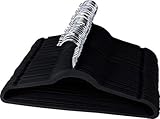
- Top pickUtopia Home Velvet Hangers (50-pack)~$18
- Worth the splurgeBearaby Cotton Napper (Weighted Blanket)From ~$179
Why your office feels like a walk-in cooler (and why it's not just you)
Commercial HVAC temperature standards were largely set decades ago using a formula based on the metabolic rate of an average 40-year-old, 154-pound man in a wool business suit — a baseline a huge share of any modern office simply doesn't match. A widely cited 2015 Dutch study found that formula overestimates female metabolic rate by up to 35%, which is a technical way of saying the building is calibrated for someone who isn't you. Add server rooms, laptop-packed conference rooms, and glass-walled exteriors that push facilities toward over-cooling as the safe default, and you get the modern open office: chilly enough that a fleece at your desk isn't optional, it's infrastructure.
The fix isn't fighting the thermostat. It's building a layering system that lives at your desk so you're never one degree away from miserable. Three components matter: a base layer under your clothes that no one sees, a mid-layer you put on and take off all day, and a static layer that stays at your desk permanently so you never have to remember to bring it.
The base layer nobody sees (and the one most people skip)
This is the highest-leverage move in the whole system and almost nobody does it: a thin thermal layer under your regular clothes. Not a bulky long-john situation — a genuinely thin, next-to-skin layer that adds almost no visible bulk under trousers or a button-down but changes your baseline temperature for the entire day. Uniqlo's Heattech line is the category standard — a moisture-wicking synthetic-rayon blend that traps body heat without the itch of wool, invisible under a blouse or shirt unless someone's staring at your collar. For your legs, fleece-lined tights (Cuddl Duds and No nonsense both make widely available versions) under trousers, or under a skirt with opaque tights on top, do more for how cold you feel than any blanket ever will — cold legs are doing most of the work convincing your brain the whole room is freezing.
Once your core and legs have this thin insulating layer, the amount of visible, bulky outerwear you need on top drops fast. You stop needing the puffer-vest-at-your-desk look and can get away with a much lighter cardigan, because you're not actually cold underneath — you're just topping off.
The cardigan that becomes a uniform
Everyone already owns "the office cardigan." The mistake is treating it as a single, precious item you have to remember to bring, wear home, and re-locate every morning. The better system: buy a genuinely good, midweight, open-front cardigan specifically to live at the office and never leave. A merino or merino-blend cardigan in a neutral color (charcoal, oatmeal, navy) works over almost anything you'd wear to work, doesn't wrinkle from being balled up in a bag on a cold-snap day, and — critically — doesn't look like a blanket with sleeves the way a chunky knit does. Amazon Essentials, Lands' End, and J.Crew Factory all make versions in the $30–$60 range that are specifically cut for layering rather than for looking finished on their own, which is exactly what you want in a piece that's going on and off five times a day.
The habit that makes this actually work long-term: hang it on the back of your office door or the hook on your cubicle wall the moment you take it off, every single time, instead of draping it over your chair. Draped-over-chair cardigans slide onto the floor, get sat on, and eventually get left behind entirely. A dedicated hanger fixes this in one move — the cardigan has a home, it's always visible, and you stop re-buying the same $40 sweater three times a year because the last one is somewhere in a lost-and-found bin.
The lap blanket and the hot drink: your permanent desk-level layer
Once your base layer and cardigan are handled, there's still the specific problem of sitting still for eight hours, which is its own kind of cold — the cold that comes from not moving, not from the actual room temperature. This is where a genuinely good lap blanket at your desk earns its keep in a way a jacket never can, because you can't wear a jacket while typing without your shoulders seizing up, but a blanket over your legs and lap costs you nothing in mobility. The Bearaby Cotton Napper is the one worth the splurge if you're going to own exactly one desk blanket: it's a chunky open-knit organic cotton weave, so unlike a fleece throw it doesn't trap heat into a sweaty mess by 11am, it just evens out the draft on your legs and stays there without sliding off the way slippery fleece does on a mesh office chair.
The other half of this: a drink that stays hot for longer than fifteen minutes. Ceramic desk mugs lose heat fast in a cold room, and a lukewarm coffee by 9:30 is its own small daily demoralization. A proper insulated tumbler holds heat for hours, meaning your 8am coffee is still genuinely hot at 10, which — combined with the blanket — closes the loop on the two things that make a cold desk feel unbearable: cold hands and cold legs.
The desk environment tricks that make the whole room feel less cold
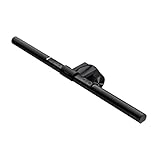
Temperature perception isn't purely thermal — light color and warmth genuinely change how cold a space feels, which is why a dim, blue-toned office under harsh fluorescents reads as colder than the same room under warm task lighting, even at an identical thermostat setting. A monitor light bar mounted above your screen kills the overhead-fluorescent glare and gives your immediate work area a warmer, more contained pool of light instead of the flat cold wash most open offices default to.
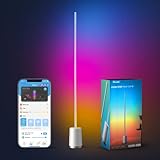
If you work from home part of the week, the same logic applies at a bigger scale: a warm-glow floor or corner lamp changes how a room reads on a gray day in a way overhead lighting alone never does.
Getting it all to and from the office without it becoming a chore
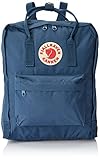
The whole system falls apart if it requires remembering five separate items every morning. Keep the static pieces (blanket, spare cardigan on its hanger, hot-drink tumbler) permanently at your desk, and only rotate the base layer and a single grab-and-go extra — a scarf, fingerless gloves for a genuinely frigid week — through a bag with a dedicated exterior pocket. A structured backpack with a smooth interior earns its keep here in a way a soft tote doesn't; a scarf tossed loose in with your laptop and lunch just gets lost.
For the seasonal swap — packing away summer cardigans and pulling out the merino ones, or vice versa in spring — vacuum storage bags are the unglamorous piece that actually matters. Compressing off-season pieces stops your closet from becoming an avalanche every October and April, and keeps knits from picking up a musty storage smell.
What actually works vs. what to skip
| Piece | Best for | Office-appropriate? | Verdict |
|---|---|---|---|
| Thin thermal base layer (Heattech-style) | All-day baseline warmth | Yes — invisible under clothes | Buy it. Highest impact per dollar in this whole list. |
| Fleece-lined tights/leggings | Cold legs under trousers or skirts | Yes | Buy it. Cold legs drive most of the "the whole office is freezing" feeling. |
| Midweight merino cardigan | On/off warmth 5+ times a day | Yes | Buy two — one to wear, one to leave at your desk permanently. |
| Chunky knit oversized sweater | Looks, not function | Bulky under blazers, hard to remove/reapply | Skip for daily desk use. Save it for actual outdoor cold. |
| Lap blanket at your desk | Sitting-still cold, not room cold | Yes, if your office allows personal items at your seat | Buy it. The single best fix for cold legs during long meetings and focus blocks. |
| Personal space heater | Localized warmth | Often against building/fire policy — check first | Skip unless explicitly cleared with facilities. Many buildings ban them outright. |
| Fingerless gloves / arm warmers | Cold hands while typing | Yes, situational | Worth having in a drawer for genuinely bad weeks; not a daily-wear item for most people. |
| Wool crew socks under closed shoes | Cold feet under a desk | Yes | Cheap, easy, underrated. Smartwool or Darn Tough both hold up to daily wear. |
| Blanket scarf worn all day | Neck warmth, styling | Bulky for meetings, can look sloppy by 3pm | Fine for the walk in and out. Not ideal to wear at your desk all day. |
The pattern across the table: things that go under your visible clothes or stay static at your desk win. Things you have to actively manage or that violate building policy outright, lose. A cold office is a logistics problem as much as a wardrobe one — the system above is designed so the warmth is just there, every day, without you thinking about it after the first week.
Frequently asked questions
Why is my office so much colder than my house at the same thermostat setting?
Commercial buildings run their HVAC to a different standard than residential thermostats, and the formula many buildings still use to set office temperatures was calibrated decades ago around the metabolic rate of a fairly specific body type in business attire — not the average of everyone actually working there today. Add server rooms, banks of laptops, and glass exteriors that push facilities toward over-cooling as a safe default, and most offices land a few degrees colder than what would feel neutral to most people, especially anyone in lighter clothing than a wool suit.
Is it worth asking facilities to change the thermostat?
Worth a polite, specific ask (not a complaint) if it hasn't been raised before — sometimes the setting really is just outdated and nobody's flagged it. But in a shared office, you're one vote among people who run hot, so don't build your plan around it changing. Treat the layering system as the reliable fix and the thermostat request as a bonus if it works.
Can I bring a small space heater to my desk?
Check with facilities or your building's fire policy first — a large share of office buildings and many landlords explicitly prohibit personal space heaters because of fire risk and circuit load, and it's a common source of write-ups even when nobody's actually enforced it in a while. If it's allowed, an enclosed, tip-over-protected model on a dedicated outlet is the safer choice. If it's not allowed, the layering system above gets you most of the way there without the policy risk.
What's the single best first purchase if I can only buy one thing?
A thin thermal base layer top (the Heattech-style category). It's invisible under your existing work clothes, costs less than most single sweaters, and lowers your baseline temperature need all day — which means everything else in your system (cardigan, blanket, socks) has to work less hard on top of it.
How do I keep a spare cardigan at my desk without it looking messy?
Hang it, don't drape it. A slim hanger on the back of your door, a cubicle hook, or a coat rack keeps it visible and wrinkle-free instead of sliding off a chair back onto the floor. If your desk has zero hanging options, a small under-desk hook (the kind sold for hanging bags) works just as well and costs under $10.
Are heated lap blankets or heated seat cushions worth it for an office?
They can work, but check two things first: whether your building allows personal electrical items at a desk, and whether you have an outlet within reach that isn't already overloaded with a monitor, laptop charger, and desk lamp. A non-electric, well-made lap blanket like a chunky-knit cotton throw avoids both issues entirely and still solves the "cold legs while sitting still" problem for most people.
Will fleece-lined tights make my legs look bulky under work pants?
No — a well-fitted fleece-lined tight or legging is genuinely thin under trousers; the fleece brushing is on the inside, facing your skin, not adding visible bulk on the outside. Under a skirt with opaque tights layered on top, they're completely invisible. The bulk people worry about usually comes from actual thermal long underwear meant for outdoor winter sports, which is a different, thicker category than what you want for indoor office layering.