You're leaving Friday after work and back Sunday night. Your pet is fine on their own for stretches during the day already — you just need meals to show up on schedule while you're gone. This is exactly the situation an automatic feeder is built for, and it's also exactly the situation where people either massively overbuy (a $200 camera-feeder-app combo for a two-night trip) or massively underbuy (one giant bowl of food dumped out Friday morning and a prayer). Neither is right. Here's the honest version: what an automatic feeder can actually do for a weekend away, what to look for so it doesn't fail at 2am Saturday, and where the line is between "a feeder handles this" and "you need an actual human checking on your animal."
- Top pickOXO Good Grips POP Container, 3.4qt~$20
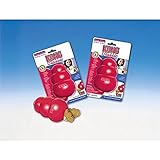
- Best budgetKONG Classic Dog Toy~$13
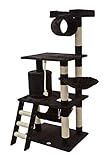
- Worth the splurgeGo Pet Club Cat Tree, 62-Inch~$80
When an automatic feeder is genuinely the right call
Automatic feeders are at their best for exactly the trip you're describing: one to three nights, a healthy adult cat or dog, no medication schedule, and a home that's otherwise stable (no thunderstorms predicted, no construction next door, no reason to think your pet will be unusually stressed). In that scenario, a good timed feeder handles the one job that actually matters when you're away for a weekend — food showing up on time, in the right amount, without you having to trust that a neighbor remembered.
Where feeders genuinely shine over asking a friend to swing by once a day: cats especially do better with smaller, more frequent meals than one giant bowl. A feeder set to dispense three or four smaller portions across the day keeps a cat's blood sugar and appetite steadier than "here's Saturday's food, good luck pacing yourself," which is what a lot of well-meaning house-sitters end up doing anyway. For a dog on a twice-daily schedule, a feeder means the 7am meal actually happens at 7am instead of whenever your neighbor gets around to it before work.
The other place feeders quietly earn their keep: they remove the awkward ask. Not everyone has a neighbor willing to commit to two visits a day for a weekend, and paid pet sitters for a two-night trip can run $30-50 a visit — real money for something a $60 feeder can do reliably instead, especially if you already have a friend or neighbor doing a single daily check-in for water, litter, and a hello.
What actually separates a good automatic feeder from a bad one
This category has a lot of genuinely bad products in it, and the failure mode isn't subtle — it's a dog with no dinner on a Saturday night because a $25 feeder jammed. Here's what to actually check before buying.
Portion accuracy. This is the single biggest differentiator between a feeder worth owning and a paperweight. Cheap feeders use a simple rotating disc or auger that can under- or over-dispense depending on kibble size and shape — a feeder calibrated for round cat kibble will jam or over-pour with irregularly shaped dog kibble. Look for feeders with reviews specifically mentioning consistent portions across multiple dispenses, not just "it works." PetSafe Smart Feed and PETLIBRO Granary are both well-regarded here — both let you set portion size in small increments (as fine as 1/8 cup) rather than forcing you into vague "small/medium/large" settings, which matters a lot if your vet has you measuring food precisely.
App control and confirmation. For a weekend trip, the single most valuable feature isn't the schedule — it's the confirmation that the schedule actually ran. A feeder that just spins on a timer with no way to check in gives you zero information if something jams at meal three of six. Look for app-connected models that send a push notification when a meal dispenses (and, critically, when one doesn't). PetSafe Smart Feed and WOpet both offer app confirmation; some PETLIBRO models add a built-in camera so you can actually see the bowl and your pet, not just get a dispense notification. If you're only away one or two nights, a camera is a nice-to-have, not a requirement — but the dispense notification is close to a requirement, because it's the difference between knowing something's wrong Saturday afternoon versus finding out Sunday night.
Battery backup. This is the one people skip and regret. Every one of these feeders plugs in, and power outages happen — a storm rolls through, a breaker trips, whatever. A feeder with no battery backup just stops, silently, with no meal and no alert, and you won't know until you're home or a neighbor notices. Battery backup (usually a set of D or C batteries as a fallback) keeps the schedule running through a power blip. This is genuinely non-negotiable for any trip longer than an overnight — don't buy a feeder without it.
Bowl material and cleanability. Stainless steel bowls resist bacteria and odor buildup better than plastic, and matter more than you'd think for a feeder that's going to sit loaded with wet or moist food for two days. If you're feeding dry kibble only, plastic hoppers are fine, but the actual bowl the food lands in should ideally be steel or ceramic, not the plastic insert that ships with the cheapest models. Also check hopper capacity against your trip length — a hopper rated for "up to 10 days" of dry food for a small dog might only hold 2-3 days for a large dog eating more per meal, so do the math on your specific portion size rather than trusting the marketing number.
Prepping the feeder before you leave
The feeder is only as good as the setup you leave it in. A few things make a real difference:
Run a full test cycle 2-3 days before you leave — set it to dispense on the actual schedule you'll use, and watch at least two or three cycles to confirm portions are consistent and nothing jams. This is also when you'll catch it if your kibble size doesn't play well with that particular auger.
Pre-portion backup meals into sealed containers so a helper (or you, if something goes wrong with the feeder) can top things off without guessing. An OXO Good Grips POP Container is genuinely one of the more useful things to have in this setup — the airtight seal keeps kibble fresh sitting on the counter for days, and pre-measuring a day or two of backup meals into one means a neighbor doing a single daily check can just dump a labeled container into the bowl if the feeder fails, no guesswork about portions.

If you're stocking up on food for the trip (or just don't want an open bag going stale while you're gone), vacuum storage bags keep bulk dry food fresher for longer than a clipped-shut bag, and they compress down small enough to store in a closet instead of taking over pantry space.
The backup plan: boredom and anxiety while the feeder does its job
A feeder solves food. It does not solve loneliness, and a weekend alone is long enough that boredom-driven stress can show up — chewing, excessive vocalizing, a cat suddenly deciding the houseplant is a snack. Pairing the feeder with something that gives your pet a job to do while you're gone makes a real difference in how settled they are when you walk back in Sunday night.
For dogs, a frozen KONG Classic left out (or given by whoever's doing the daily check-in) gives 20-40 minutes of focused chewing that eats up a chunk of an otherwise empty afternoon. It's not a food replacement — the automatic feeder handles meals — it's an anxiety and boredom outlet that happens to also taste good.
For cats, the equivalent isn't a chew toy — it's vertical space. A cat left alone for two days with nothing but a feeder and a litter box is a bored cat, and bored cats get into things (or stop eating out of stress, which defeats the whole point of the automatic feeder). A tall cat tree gives them somewhere to perch, watch the window, and burn energy climbing, which measurably reduces the kind of stress behavior that shows up as either overeating or refusing the feeder entirely.
What to skip
A few categories of "automatic feeder" solutions aren't worth the money or the risk for a weekend trip.
Gravity feeders with no portion control. The bowl-and-hopper gravity feeders that just refill themselves as your pet eats are the worst possible choice for a weekend away — they have zero portion control, which means a food-motivated dog or cat can and will eat two days of food in one sitting, then have nothing left for day two. These are fine for a single overnight with a very food-disciplined cat and nothing else. Skip them for anything else.
The cheapest timer feeders with no battery backup. If a listing doesn't mention battery backup at all, assume it doesn't have it, and assume a power blip means a missed meal with no warning. Not worth the $15 you save.
Relying on a feeder alone for a multi-pet household with food competition. If you have more than one pet and any history of one muscling the other out of the bowl, an automatic feeder without supervision doesn't fix that dynamic — it just means the food-competitive pet gets to the dispensed portion first, every time, unsupervised. You need either separate feeders in separate rooms or an actual person checking on the situation.
Trusting a brand-new feeder on its very first real run. Don't buy a feeder Thursday night and trust it for a Friday departure. Test it for real, on the real schedule, for at least two full days before you actually need it to perform unsupervised.
When you need an actual sitter instead
Be honest with yourself about where the line is, because this is the part people get wrong in the "convenience" direction. An automatic feeder is a tool for food timing. It is not a substitute for a living being checking on your pet, and there are situations where that gap actually matters:
Any pet on medication needs a person, not a machine — a feeder can't administer a pill, and hiding medication in food that a machine dispenses unsupervised is not reliable. Puppies and kittens under about a year also need a real check-in; they're more prone to sudden illness, and the stakes of an unsupervised sick young animal are higher than an adult. Any senior pet or one with a known health condition (kidney issues, diabetes, a history of vomiting or not eating) needs eyes on them, because a feeder can't tell you if the bowl from yesterday's meal is untouched.
Trips longer than three nights are also past the point where a feeder-only setup makes sense — water needs refilling, litter needs scooping, and the cumulative risk of something going wrong (a jam, an empty hopper, a spilled water bowl) with zero human oversight compounds the longer you're gone. And if your home has any elevated risk during the trip — a storm in the forecast, ongoing construction, a recent change in routine that's already stressed your pet out — bring in a person for backup even if the feeder itself is working fine, because stress-driven behavior is exactly the thing a machine can't respond to.
The setup that actually works best for most weekend trips, honestly, is a hybrid: a good automatic feeder handling meal timing and portions, plus one daily check-in from a neighbor, friend, or a single paid visit from a sitter to handle water, litter, a walk if it's a dog, and eyes-on confirmation that everything's fine. That combination costs a fraction of full-service pet sitting and covers the actual gap a feeder can't — noticing when something's wrong.
FAQs
Can an automatic feeder replace a pet sitter for a weekend trip?
For a healthy adult pet with no medication needs, a good automatic feeder can handle the meal-timing part of a one-to-three-night trip reliably. It can't replace the value of an actual person checking on water, litter, and general wellbeing, though — the best setup pairs a feeder with at least one daily check-in from a neighbor or a single paid sitter visit.
What happens if the power goes out while I'm away?
If the feeder has battery backup, it keeps running on schedule through a power outage. If it doesn't, it simply stops and won't dispense until power returns, with no notification that anything went wrong. This is why battery backup should be treated as a requirement, not a nice-to-have, for any trip longer than an overnight.
How do I know if the feeder is actually working while I'm gone?
App-connected feeders that send a push notification per dispense are the best way to confirm meals are actually happening — you'll get an alert (and can act on it) if a meal fails rather than finding out when you get home. Some models add a built-in camera so you can see the bowl and your pet directly, which is worth it if you're traveling more than a couple of nights.
My dog or cat eats fast — will an automatic feeder make that worse?
It can, if it's set to dispense one large portion at once. Set the feeder to smaller, more frequent portions across the day instead of one or two big dumps — this slows the actual eating pace somewhat and mimics a slow feeder better than a single big meal would. For a dog that's a genuine gulper, pair the automatic feeder's small portions with an actual slow-feeder bowl for the dispensed food to land in.
What size hopper do I need for a weekend trip?
Do the math on your pet's actual daily portion rather than trusting the marketing number on the box — a hopper rated for "10 days" is usually based on a small dog eating a small daily amount, and a larger dog eating more per meal will burn through that same hopper much faster. For a two-to-three night trip, look for a hopper that comfortably holds at least double what you actually need, as a buffer.
Should I still leave food out in a normal bowl as backup?
Generally no — a bowl of free-fed backup food defeats the portion control that's the whole point of using a feeder, especially for a food-motivated pet that will eat both the dispensed meal and the backup bowl. Instead, pre-portion backup meals into sealed containers so a person checking in can top off the feeder itself if something goes wrong, rather than leaving an unlimited backup bowl out.
Are automatic feeders safe for multi-pet households?
Only if there's no food competition between your pets. A single feeder in a shared space means whichever pet gets there first eats the portion, every time, unsupervised. If you have more than one pet and any history of resource guarding or one muscling out the other, use separate feeders in separate rooms, or skip the feeder-only approach and bring in a person to supervise mealtimes.