There's regular flying, and then there's flying on the Wednesday before Thanksgiving, or the Sunday after New Year's, when every airport in the country turns into the world's least fun theme park. TSA lines wrap past the ticket counters. Every gate is oversold. Overhead bin space, already a scarce resource, gets worse every year because more people are checking fewer bags to dodge the fees — which means more carry-ons fighting for the same six cubic feet above your row. Add a chatty toddler two rows back, a two-hour ground delay nobody explains, and a connection that was already tight before the storm rolled through Denver, and you have the actual experience of holiday air travel.
- Top pickBagsmart Toiletry Bag~$25
- Best budgetMaster Lock TSA-Accepted Combination Lock~$10
- Worth the splurgeApple AirTag (4-Pack)~$99
None of the gear below fixes weather or airline scheduling. What it does is remove the friction you actually control — how fast you clear TSA, whether your bag makes the overhead bin, whether your stuff survives being handled by twelve different people, and whether you can stand a four-hour delay without losing your mind. These are the seven or so things worth packing specifically because the worst travel days of the year expose exactly the gear that isn't good enough.
Get through security without becoming the holdup
On a normal Tuesday, someone slowly unpacking a jumbled toiletry bag at the bin is mildly annoying. On the Wednesday before Thanksgiving, with a line that stretches into the parking garage, that person is committing a small crime against everyone behind them. The fix isn't moving faster — it's not needing to dig around in the first place.
The math on this one is simple: a pre-packed, TSA-ready toiletry bag means you're not the person holding up the belt, and you're not the person whose bag gets pulled for a secondary bin check because a bottle wasn't visible. On the busiest travel days, invisible efficiency is the whole game.
Win the overhead bin war before it starts
Here's the actual mechanic behind holiday flight chaos that doesn't get talked about enough: airlines have been raising checked-bag fees for years, so more travelers are cramming everything into a carry-on to avoid paying $35–$40 each way. That means more bags competing for bin space than the plane was ever designed to hold, and it means gate agents start gate-checking carry-ons for free around row 15 on nearly every flight during peak weeks. The way to stay ahead of that is packing dense and packing early — literally being one of the first people to board your zone with a bag that closes easily, so it's not you standing at the gate watching your suitcase get tagged against your will.
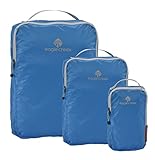
The unglamorous truth about packing cubes is that they don't just organize — they compress. A carry-on packed in cubes routinely fits 15–20% more than the same bag packed loose, which is often the exact margin between "your bag fits overhead" and "your bag gets gate-checked and you're now waiting at baggage claim with everyone else on the busiest travel day of the year."
Lock it, tag it, and stop worrying about it
Peak holiday travel means more checked bags moving through more crowded baggage systems, handled by more temporary seasonal staff, sitting on more crowded carousels where a dozen identical black suitcases circle at once. This is exactly the environment where a bag either goes missing for a day or gets quietly rifled through. Two cheap things fix most of that risk.
A lock keeps casual opportunists out. It does nothing if the airline simply loses track of the bag entirely — which happens more often during the two weeks around Thanksgiving and Christmas than any other stretch of the year, because the whole system is running at max capacity with less slack for error. That's where a tracker earns its keep.
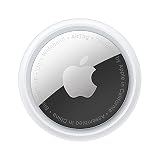
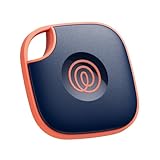
The four-pack of AirTags makes sense if your household is checking several bags and you're mostly in iPhone households already — the Find My network is enormous, so detection is nearly instant almost anywhere. Go with Tile if cost per bag matters more, or if your travel group is mixed Android and iPhone and you want one tracker ecosystem everyone can actually check.
Survive the delay you can't avoid
Peak-day delays aren't occasional — they're closer to expected. Weather backups cascade across the whole system, planes are late arriving because the plane before yours was also late, and gate crews are stretched thin trying to turn flights around fast enough to keep the day from collapsing entirely. The travelers who come out the other side in a decent mood are almost always the ones who packed for the possibility of sitting in a terminal for three unplanned hours, not just for the flight itself.
That means: a portable charger big enough to survive a dead outlet situation at your gate, noise-isolating headphones or earplugs for the inevitable gate-area chaos, and snacks that aren't $14 airport pretzels. None of that is glamorous gear, but it's the difference between a delay that's mildly annoying and one that ruins the day before you've even boarded.
What to skip
Skip the giant hardside spinner suitcase marketed as a "holiday travel bundle" — bigger isn't better when your actual goal is speed through security and a guaranteed spot in the overhead bin, not maximum volume. Skip novelty travel pillows and gadget-heavy neck pillows with built-in speakers; a plain memory-foam pillow does the job for a third of the price and doesn't add another thing to charge. And skip buying a lock that isn't specifically TSA-accepted — a standard padlock just gets cut off during a random bag search, which means you arrive at your destination with a broken lock and an open zipper anyway, having wasted the money entirely.
The comparison that actually matters isn't gear-versus-gear, it's friction-versus-friction: everything above either removes a step (the toiletry bag, the pre-filled bottles), buys you space (the packing cubes), or removes uncertainty (the lock, the trackers). Anything that doesn't do one of those three things is decoration, not travel gear, no matter how nicely it's marketed in a holiday gift guide.
If you only buy two things
Get the packing cubes and a tracker. The packing cubes solve the single most common holiday travel failure — a carry-on that doesn't fit, forcing a stressful gate-check right when you're trying to make a tight connection. The tracker solves the second most common one — a checked or gate-checked bag that goes missing in a system running at full capacity with zero slack. Everything else on this list makes the day more pleasant. Those two things are the ones that actually prevent it from going sideways.
FAQs
What's the single worst day to fly during the holidays?
The Wednesday before Thanksgiving consistently ranks as the busiest single air-travel day of the year in the U.S., followed closely by the Sunday after Thanksgiving and the days immediately before and after Christmas. If your schedule has any flexibility, flying on the actual holiday or a day earlier than the Wednesday spike tends to mean noticeably shorter lines and fewer delays.
Why do so many bags get gate-checked during the holidays?
More travelers are checking fewer bags to avoid rising checked-bag fees, which crowds the overhead bins faster than usual. Once a flight fills its bin space, gate agents start pulling carry-ons for free gate-checking, often starting around row 15 or so. Packing dense with compression cubes and boarding as early as your zone allows both reduce the odds it happens to you.
Is an AirTag or a Tile better for tracking checked luggage?
An AirTag is the stronger pick if your household is already in the Apple ecosystem, since Apple's Find My network is enormous and detection is close to instant in almost any airport. A Tile Mate is the better value if you want a cross-platform option that works for both iPhone and Android users, or if you're tagging several bags and want to save money per unit.
Do TSA-accepted locks actually get opened without being cut off?
Yes — TSA-accepted locks (look for the red diamond logo, like Master Lock's TSA-recognized combination locks) can be opened by TSA agents with a universal master key during a manual bag check, then relocked, so your bag arrives secured instead of with a zipper flapping open. A standard, non-TSA lock gets cut off entirely if your bag is flagged for inspection.
How much earlier should I get to the airport on peak holiday travel days?
Most airlines and TSA recommend arriving three hours before a domestic flight during peak periods like the week of Thanksgiving or the days around Christmas and New Year's, versus the usual two-hour guidance. Security lines and bag-drop lines both run longer, and a delay in either one eats into boarding time fast.
Are packing cubes actually worth it, or just a organizing gimmick?
They're worth it specifically because they compress, not just organize. A carry-on packed with compression cubes routinely fits noticeably more than the same bag packed loose, which is often the exact margin between a bag that fits the overhead bin and one that gets gate-checked during a full flight.