White sneakers are the easiest color decision you'll ever regret. They go with everything, they photograph well, and they turn a specific shade of "recently released from evidence storage" gray within about six weeks of normal wear. The mistake most people make isn't buying the wrong sneaker. It's assuming the $9 spray bottle from the shoe store checkout counts as a care routine. It doesn't. A real kit is boring, cheap, and specific — and it's the only thing that reliably keeps white sneakers white instead of merely bleach-white for one Instagram photo and gray for the following eleven weeks.
- Top pickOXO Good Grips Drawer Organizer (4pc)~$30
- Best budgetOXO Good Grips POP Container (3.4qt)~$16
- Worth the splurgeBirkenstock Arizona Sandals~$110
Why white sneakers go gray so much faster than any other color
Every sneaker picks up the same daily grime — sidewalk oil, sunscreen, coffee drips, whatever's on the floor of your car. On a black or navy shoe, that grime just disappears into the color. On white, there's nowhere to hide. The upper shows every gray smudge, the midsole yellows from UV exposure and oxidation even when the shoe never leaves your closet, and the sole picks up scuff marks that read as dirt from three feet away. None of that means white sneakers are higher-maintenance to actually own. It means the maintenance they need is more visible when you skip it, which is a different problem with a much simpler fix.
The material matters too. Canvas absorbs and holds stains the way a napkin does — fast, and permanently if you wait. Leather is more forgiving because dirt sits on top of a sealed surface rather than soaking in, but it scuffs and creases in ways canvas doesn't. Suede and nubuck are the hardest of the three: water spots them, rubbing them wrong crushes the nap, and most all-purpose cleaners ruin them outright. Whatever kit you build has to account for which of these you actually own, because a canvas-safe cleaner and a suede-safe cleaner are not interchangeable, and using the wrong one is how a scuff becomes a permanent stain.
The four things an actual kit needs
Strip away the marketing and a real sneaker care kit is four categories, not four dozen products. A cleaner (brush plus solution, matched to your upper material). A protector spray, applied before the shoe is ever worn outside, that keeps water and oil from soaking in in the first place. A midsole-specific whitener for the yellowed foam strip that a regular cleaner won't touch. And shape-and-odor maintenance — shoe trees or stuffing between wears — because a sneaker that's collapsed and musty looks dingy even when it's technically clean.
On brand names, since this is the part people actually want to know: Jason Markk's Premium Shoe Cleaning Kit and Reshoevn8r's kit are the two most established brush-and-solution options and both are safe on canvas and leather. Crep Protect's spray is the industry-standard protector — apply it to a brand-new pair before the first wear, then reapply monthly. Angelus Easy Cleaner is the one to reach for on suede and nubuck specifically, paired with a dedicated suede brush rather than the bristle brush that comes in most all-purpose kits. Sof Sole Sneaker Balls handle odor without masking it in perfume. Cedar shoe trees keep the shape and pull moisture out between wears, which matters more for longevity than most people realize. None of these are exotic or expensive — the whole kit, bought once, runs somewhere around $35 to $50 and lasts a couple of years.
What to buy for what: a straight answer
| Kit piece | Best for | How often | Skip it if |
|---|---|---|---|
| Brush-and-solution cleaner | Canvas and leather uppers | Every visibly dirty wear | You only own suede — wrong tool, will stain it |
| Protector spray | Any upper, applied new | Before first wear, then monthly | You like the aged, patina look on leather |
| Midsole whitening pen | The yellowed foam strip only | As needed, spot use | You're trying to fix the actual upper — it looks chalky and obvious there |
| Suede/nubuck brush | Suede and nubuck uppers only | Light brushing weekly | You have canvas or leather — different nap, different tool |
| Cedar shoe trees | Shape retention and odor | Between every wear | Storage space is tight — balled-up acid-free paper is a fine substitute |
| Deodorizing balls | Smell, not stains | After sweaty wears | The problem is visible dirt — this won't touch that |
The pattern worth noticing: almost every failure in a home cleaning attempt comes from using one tool across every material. The brush that's perfect on canvas will fuzz up suede permanently. The spray that protects leather can leave a slight sheen on matte canvas that looks worse than the original scuff. Buy per material, not per shoe.
Where to keep it (and why hiding it kills the habit)
The single biggest reason a sneaker kit gets used twice and then abandoned is that it lives in a junk drawer under batteries and rubber bands. If you have to hunt for it, you won't clean the shoes the day they get dirty — you'll wait until Sunday, by which point the stain has set. Keep the whole kit in one dedicated, grabbable container near the door or in the closet where the shoes actually live.
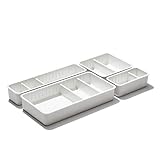

There's a second reason people stop maintaining white sneakers: they're stashed in a bin where you can't see them, so a gray pair doesn't register as a problem until you're already wearing them out the door. A small floating shelf near the entryway fixes this two ways at once — it makes clean sneakers a small visible reward, and it makes a dirty pair impossible to ignore before you leave the house.

What to skip entirely
- Bleach, dish soap, or baking soda paste on leather or suede. These strip finish and oils out of leather, leaving it dry and prone to cracking within a season. On suede they're simply the wrong chemistry — you'll end up with hard, discolored patches.
- The washing machine, for anything but low-end canvas slip-ons. Glue bonds soften in hot water and agitation, which is how a $120 pair delaminates at the sole after one wash cycle. If a pair is genuinely machine-safe, the manufacturer says so explicitly — don't assume.
- The toothpaste trick. It's genuinely a myth. Toothpaste can lift a very light surface stain on rubber, but on fabric or leather it does nothing but leave a chalky residue and waste your morning.
- Direct sun or a heater vent for drying. Fast heat is exactly what yellows midsoles and warps glue lines. Stuff with paper, set them somewhere with airflow, and let them dry over several hours at room temperature.
The honest alternative: skip the maintenance entirely
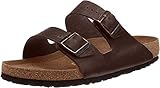
Some people read all of the above and correctly conclude they don't want a standing chore attached to their shoes. That's a legitimate call, and it has a legitimate answer that isn't "buy gray sneakers and pretend you meant to." The Birkenstock Arizona in a darker leather or suede colorway gets better with wear instead of worse — it's designed to age, so scuffs and creasing read as character rather than neglect. If the actual goal is "look put-together without a weekly maintenance task," this is the shortcut.
For everyone else — the kit really is worth building. It's four small, cheap items, it takes ten minutes after a dirty wear instead of an hour of scrubbing after three months of neglect, and it's the actual difference between white sneakers that look intentional and white sneakers that look like an apology.
Frequently asked questions
How often should I actually clean white sneakers?
Spot-clean visible dirt the day it happens — a fresh stain wipes off in under a minute, while the same stain a week later can take real scrubbing and still not fully lift. Beyond spot-cleaning, a full clean (uppers, midsole, laces) every two to three weeks of regular wear keeps them from ever reaching the "deep clean project" stage.
Can I use the same cleaner on canvas, leather, and suede?
No, and this is the most common mistake. A brush-and-solution cleaner made for canvas and leather will damage the nap on suede and nubuck — those need a dedicated suede brush and eraser, and a suede-specific protector spray. Check the upper material before you buy a single "all sneaker" product; most aren't actually all-material safe.
Why do the midsoles turn yellow even when the shoes barely get worn?
UV exposure and simple oxidation of the foam, not dirt. It happens to shoes sitting in a closet, not just ones worn outside constantly. A midsole-specific whitening pen or a diluted peroxide soak (for shoes with removable or easily masked uppers) addresses this — a regular upper cleaner won't touch it because it's a chemical color change in the foam, not surface grime.
Is a protector spray worth it if the shoes are already dirty?
Apply it after cleaning, not instead of cleaning — protector spray keeps future stains from soaking in, it doesn't remove what's already there. The ideal timing is on a brand-new pair before the first wear, then reapplied roughly monthly. Late is still better than never, but clean first.
Do shoe trees actually make a difference, or is that overkill?
For shape and smell, yes, genuinely. Cedar specifically pulls moisture out of the shoe between wears, which both preserves the structure and reduces the odor-causing bacteria that thrive in damp interiors. A sneaker that's stored collapsed and slightly damp looks tired even when the upper is clean, which undercuts the whole point of maintaining it.
What's the single most common mistake people make cleaning white sneakers at home?
Reaching for whatever's already under the sink — dish soap, bleach, baking soda — instead of a cleaner matched to the actual upper material. It's understandable; those things are free and already in the house. But they're formulated for dishes and counters, not leather finish or suede nap, and using them is how a small scuff turns into permanent damage that no amount of correct cleaning afterward can fully undo.