Every tote bag starts out organized. Day one, it's just your wallet, your water bottle, and your laptop, sitting there like a catalog photo. By Thursday it's a single canvas cavern where a receipt, three pens, a granola bar wrapper, and your keys are all touching each other at the bottom, and you're digging through it at a coffee counter while the line backs up behind you. The tote itself isn't the problem. The problem is that most totes are just a bag-shaped bag — one big open space with zero opinions about where anything goes.
- Top pickBaggu Nylon Crescent Bag~$38
- Best budgetVELCRO Brand ONE-WRAP Ties (25-Pack)~$7
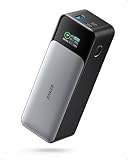
- Worth the splurgeAnker 737 PowerCore 24K~$130
The fix isn't a fancier tote. It's a system: a bag with actual structure, plus a small set of inserts that force everything into its own zone. Do this once and you stop repacking your bag every morning, because everything already has a home. Here's what that setup actually looks like, product by product, including the stuff that's genuinely worth buying and the "organizer" gimmicks that make things worse.
Start with a tote that has opinions, not just capacity
Most tote chaos starts with the bag itself. A flimsy, floppy tote with one interior pocket (if you're lucky) collapses into a soft pile the second you set it down, and everything inside slides to whichever corner is lowest. You want either genuine internal structure — a flat base, a stiff panel, real pockets — or a shape simple enough that you can drop rigid inserts into it and let them do the structural work instead.
The Baggu Crescent Bag is the case for simple: it's soft, foldable nylon with almost no structure of its own, which sounds like the opposite of "organized" until you realize that's exactly why it's the best possible host for the insert system below. It weighs nothing, it doesn't add bulk when it's half-empty, and because it has zero built-in compartments to fight with, whatever organizing pieces you drop in become the only structure it has. It's a blank canvas, on purpose.
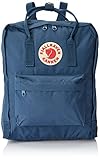
If you'd rather the bag do more of the structural work itself, the Fjällräven Kånken is the other end of the spectrum — a boxy, semi-rigid daypack-tote hybrid with a wide zip opening, a padded laptop sleeve, and actual external pockets on the sides. It won't collapse into a puddle the way a soft tote does, so anything you toss in stays roughly where you put it, even before you add a single insert. It's the pick for people who know they'll never bother with organizer pouches and want the bag to compensate.
Packing cubes aren't just for suitcases
This is the single biggest upgrade for a chaotic tote and almost nobody applies it outside of travel. Packing cubes exist to turn one big undifferentiated space into several small, labeled ones — and a tote bag is exactly that same problem, just at desk-and-commute scale instead of airport scale. Drop two or three small cubes into your tote — one for chargers and cables, one for snacks, one for a change of clothes or gym stuff — and you've turned a black hole into a set of drawers. You can lift the whole cube out to grab everything inside it, instead of hand-fishing through the bottom of the bag.
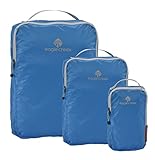
The mesh top matters more than it sounds like it would. You can see what's in each cube without unzipping it, which means you stop opening every compartment "just to check." That alone cuts down on how long you spend standing in front of an open bag every morning.
One zip pouch per category, no exceptions
Packing cubes handle the big stuff — clothes, cables, snacks. But the actual source of most tote chaos is small stuff: lip balm, hand sanitizer, hair ties, a phone charger cable, loose receipts, a spare mask. All of it is small enough to sink to the bottom and disappear, and none of it is bulky enough to need a full packing cube. The fix is a single dedicated zip pouch that becomes the designated home for "small stuff," so it stops migrating to the bottom seam of the bag.
If your small-stuff problem is specifically liquids — hand sanitizer, lotion, a travel perfume — a labeled bottle set solves it better than loose bottles ever will, because you're not hunting for which cap belongs to which bottle at the bottom of your bag.
A tracker so "wait, where's my bag" stops happening
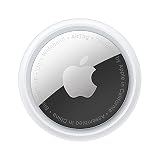
This isn't really about organizing what's inside the tote — it's about never having to search for the tote itself. If you're the kind of person who sets a bag down at a coffee shop, a friend's apartment, or the back seat of a rideshare and briefly panics twenty minutes later, a Bluetooth tracker clipped to the interior or dropped into a side pocket removes that entire category of stress. Both options below work the same basic way — you get a location ping on your phone — the difference is mostly which phone ecosystem you're already in.

Power and cords, contained
The other reliable source of tote chaos is cords — a phone cable, maybe a laptop charger, a portable battery, all loose and tangled around each other at the bottom of the bag, usually wrapped around whatever you actually need in that moment. Two small fixes solve almost all of it: a battery pack big enough that you're not carrying three separate charging cables "just in case," and a handful of cheap velcro ties so cords get bundled the second they come out of use instead of left loose.

What to skip when you're buying a "tote organizer system"
Amazon and TikTok are both full of purpose-built "bag organizer inserts" — rigid felt liners shaped like a laundry basket that you're supposed to drop into any tote to instantly organize it. Skip most of them. They're designed around one specific bag shape (usually a structured designer tote) and they fight a soft, slouchy tote instead of working with it. If the insert doesn't match your bag's exact base dimensions, you end up with a stiff rectangular box wobbling inside a soft bag, which is worse than no insert at all.
| Approach | Best for | Typical cost | Watch out for |
|---|---|---|---|
| Packing cubes | Bulky items — clothes, cables, snacks | $25–$50 per set | Buy 2–3 small/medium, not one giant cube — defeats the purpose |
| Zip pouches | Small loose items — toiletries, chargers, hair ties | $15–$30 | Get one with mesh or clear panels so you're not unzipping to check contents |
| Rigid felt bag-organizer insert | Structured totes with a flat, boxy base only | $15–$40 | Almost never fits a soft, slouchy tote correctly — measure first or skip it |
| Bluetooth tracker | Anyone who's ever lost track of the bag itself | $25–$100 | Match it to your phone's ecosystem or half the features won't work |
The other thing worth skipping: bag "clasps" or magnetic top closures sold as an organization fix. They keep the bag shut, which is nice, but they don't touch the actual mess happening below the zipper. Structure inside the bag beats hardware on the outside every time.
The five-minute setup that actually sticks: none of this works if you have to think about it every morning — the whole point is removing decisions, not adding a chore. Set it up once: one packing cube for cables and electronics, one for anything bulky (gym clothes, a lunch container), one zip pouch for small toiletries and loose items, a tracker clipped somewhere you won't remove it, and a battery pack that lives in the bag permanently instead of getting borrowed and forgotten on a nightstand. Once each item has exactly one home, "organizing" stops being a task and just becomes putting things back where they already belong.
Frequently asked questions
Do packing cubes actually work in a regular tote, or just in suitcases?
They work just as well in a tote — the whole idea is dividing one big compartment into several small ones, and a tote bag has exactly that same problem as a suitcase. Small and medium cubes fit easily into most totes without adding much bulk, and the mesh panel lets you see contents without unzipping.
What's the actual difference between a packing cube and a zip pouch for tote organizing?
Packing cubes are meant for bulkier, semi-rigid loads like folded clothes or a stack of cables and adapters — they compress and hold shape. Zip pouches are better for loose, small, irregularly shaped items like lip balm, hair ties, or a tangle of charging cables that would just rattle around loose inside a cube.
Are rigid bag organizer inserts worth buying?
Only if your tote has a genuinely flat, boxy base that matches the insert's dimensions. On a soft, slouchy tote, a rigid insert usually fights the bag's shape instead of helping — you end up with a stiff box wobbling inside floppy fabric. Measure your bag's base before buying, or skip it in favor of packing cubes and pouches, which flex with the bag.
Should I get an AirTag or a Tile for a tote bag?
If everyone in your household is on iPhone, AirTag has the stronger network and Precision Finding. If your household mixes iOS and Android, Tile Mate is the more reliable choice since it works fully on both platforms. Either one clips easily into a small interior pocket.
How many packing cubes and pouches does one tote actually need?
Two to three is the sweet spot for most totes — one for bulky items, one for cables and electronics, one zip pouch for small loose items. More than that and you're spending more time deciding which compartment something belongs in than you would have spent just digging through an unsorted bag.
Will a battery pack and cable ties really cut down on tote clutter?
Yes, more than people expect. A single higher-capacity battery pack removes the need to carry two or three separate charging cables "just in case," and cheap velcro ties keep whatever cord you do carry from tangling with everything else at the bottom of the bag. It's a small fix, but it removes one of the most common sources of loose-item chaos.