Here's the thing nobody says out loud: most people who buy running shoes aren't running in them. They're wearing them to the grocery store, on long travel days, walking their dog, standing in airports, going to brunch. And for that use case — all-day comfort that looks deliberate rather than sporty — the "best running shoes" lists are almost completely useless. They optimize for pronation control and heel-toe drop, not for what you actually need: something that feels like a cloud at mile 7 of a travel day, doesn't look like a marshmallow, and works with most of what you own.
- Top pickNew Balance Fresh Foam X 1080v13~$165
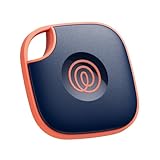
- Best budgetTile Mate Bluetooth Tracker~$25
This guide is for that. Shoes that happen to be built on running technology, worn by people who mostly aren't running.
Why running shoes work better than "casual" shoes for everyday wear
Running shoe engineering has gotten aggressively good in the last five years. The foam technology — names like React, ZoomX, Fresh Foam, and BOOST — was developed to absorb impact over dozens of miles. When you wear it standing in a museum for four hours, the same physics apply. Your legs don't ache at the end of the day the way they do in flat leather loafers or cheap canvas sneakers. That's not marketing — it's physics.
The other thing that's changed: the silhouettes. The ugly-chunky "dad shoe" moment was a fashion detour, not a destination. The best everyday running shoes in 2026 are low-profile enough to wear with straight-leg jeans and casual enough to wear with shorts. You're not limping through a style compromise anymore.
The picks below are all running shoes — but chosen specifically for how they perform on real days, not race days.
The daily driver: New Balance Fresh Foam 1080
If you're only buying one pair of shoes this year and you want the best all-day comfort money can buy under $165, the Fresh Foam 1080 is it. The midsole is so thick it looks almost aggressive, but it wears more naturally than that — the Fresh Foam material is softer and less springy than Nike's React foam, which means it absorbs rather than returns energy. For walking and standing, that absorption is exactly what you want. You feel it immediately on the first step.
The upper is engineered mesh — breathable, holds its shape, doesn't crease weirdly. The colorways skew neutral: white/grey/navy families that work with almost everything. This is the shoe that frequent travelers buy, wear into the ground, and immediately repurchase. The word that comes up most often from people who've owned them: effortless.
The sleek everyday option: Nike Air Max 270
The Air Max 270 is the Nike you wear when you want something that reads as stylish first, comfortable second — even though the comfort is genuinely excellent. The 270 references the 270-degree air unit in the heel, which is Nike's largest air unit. You can see it from the side, which is either a design statement or a flex depending on how you look at it. Most people look at it favorably.
What it does well: it's lighter and lower-profile than the Fresh Foam, the toe box is less bulky, and it pairs better with dressier casual outfits. The mesh upper is breathable without being fragile. What it doesn't do: support aggressive walking or standing for eight-plus hours as well as the 1080. This is the shoe for someone who wants to look put-together at a farmer's market, not someone navigating a theme park with kids.
The travel non-negotiable: track your bags
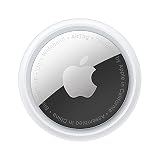
This is only tangentially about shoes, but it belongs in any guide aimed at people who wear running shoes on travel days: put an AirTag in the toe box of your checked shoes. Checked luggage gets misrouted. Shoes are often the bulkiest item forcing you to check a bag in the first place. An AirTag costs $29 per unit (the 4-pack drops that to under $25 each) and gives you real-time location of your bag through the Find My network. It's the cheapest anxiety reduction available for anyone who travels more than twice a year.
The runner-up for all-day comfort: Brooks Ghost
The Brooks Ghost is the other name that comes up constantly in "I need shoes I can wear all day" conversations. It runs slightly narrower than the New Balance 1080, the foam is DNA Loft — a blend that's slightly firmer than Fresh Foam but more responsive. If the 1080 is the choice for maximum softness, the Ghost is the choice for all-day comfort with a bit more ground feel. It also tends to last slightly longer (400-500 miles vs 300-400 for the 1080) before the cushioning noticeably degrades.
For traveling specifically: the Ghost's more structured upper holds its shape better in a luggage compression situation. The 1080's knit upper can crease and doesn't fully recover. Minor point, but if you're packing shoes rather than wearing them on the plane, it matters.
The bag situation: what actually works with running shoes
Running shoes look best with bags that don't fight them. This sounds obvious and is somehow still something people get wrong. The move is neutral and structured — not gym bags, not fashion bags with a lot of hardware, not anything that makes the whole look feel like you're either going to a workout or trying too hard not to.
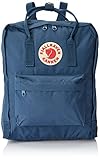
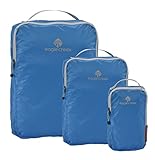
The Fjallraven Kanken (above) is the canonical example: structured, low-key, pairs with everything from joggers to jeans, doesn't read as "athletic" even when you're wearing athletic shoes. The Baggu nylon crescent is the smaller version of the same idea — crossbody, lightweight, for days when a full backpack is overkill. Eagle Creek packing cubes don't go in the bag, they go in your checked luggage, but they're what makes packing your running shoes efficiently actually work.
When to replace your everyday running shoes
Most running shoes start degrading at 300–500 miles of use — not because the upper wears out, but because the foam compresses and stops absorbing impact. The problem is that worn-out foam doesn't look worn-out. The shoe can look fine from the outside while the midsole is effectively dead.
Two clear signals it's time: your legs feel more tired at the end of the day than they used to in the same shoes, or you've had them for 12–18 months of daily wear. If you rotate between two pairs — a common running recommendation that works equally well for everyday wear — you extend each pair's life by 30–40% because foam needs time to decompress between wears. For anyone who buys shoes primarily for travel and walking, the Tile Mate is a reasonable cross-platform alternative to AirTag if your household runs Android.
Are running shoes actually good for all-day standing?
Yes — often better than shoes marketed specifically for standing. Running shoe midsoles are engineered to absorb impact repeatedly over long distances, which translates directly to comfort when standing or walking for hours. The key is choosing a shoe with a thick, high-quality foam midsole (Fresh Foam, React, BOOST) rather than a thin EVA unit, which many comfort shoes actually use. If your job has you on your feet all day, a running shoe with a quality foam stack will usually outperform dress shoes, loafers, and even many dedicated work shoes.
How often should I replace everyday running shoes?
With daily wear, plan on 12 to 18 months. If you rotate between two pairs, you can stretch each pair to 18 to 24 months because foam decompresses between uses. The clearest signal it's time: your legs feel noticeably more tired at the end of the day than they used to in the same shoes. The foam midsole compresses and stops returning energy, but this happens gradually enough that you might not notice until you try a new pair and feel the difference immediately.
What running shoe works best with jeans?
Low-to-mid profile silhouettes with neutral colorways: white, grey, navy, black, bone. The Nike Air Max 270 in white or the New Balance 1080 in grey or white are both excellent with straight-leg or slim jeans. Avoid ultra-chunky platforms at Hoka Bondi-level stack height with fitted jeans — the proportion gets cartoonish. With wider-leg or cargo-style jeans, chunkier is fine and often better.
Do running shoes work for travel days?
They're ideal for travel days. Long hours of sitting compress your spine and ankles; having a well-cushioned shoe means getting off a five-hour flight without the wooden-foot feeling. The mesh uppers breathe better than leather or canvas, which matters when feet swell slightly on long flights. Pack with an AirTag inside your shoe or shoe box if you're checking luggage — bag misdirection is common enough that the tracker pays for itself the first time it saves you a panic.
What's the best running shoe for wide feet?
New Balance is the clearest answer — they manufacture in multiple widths (2E and 4E for men, D and 2E for women) across most of their lineup including the Fresh Foam 1080. Brooks Ghost and ASICS Gel-Nimbus also offer wide-width options. Nike generally runs narrow and is a harder fit for wide feet. If you're between a standard and wide fit, sizing up a half size in a standard width often achieves the same result without waiting on a specific width order.
Are running shoes appropriate for work or office environments?
Depends heavily on the workplace. In tech, creative, and casual office environments: entirely normal, especially in neutral colorways. In more formal settings, a clean leather sneaker typically reads better than a running shoe with visible foam and mesh. The middle ground is a running shoe with a minimal, low-profile silhouette in all-white or all-black — these pass in most business-casual environments, especially if the upper material looks more like structured mesh than sportswear fabric.