The college dorm essentials Amazon shoppers actually need break into two piles: things that make a 130-square-foot room actually livable, and things that look great in a "dorm haul" video and sit in a closet by October. The short answer is buy fewer, better items — sheets sized for your real mattress, storage that fits your real walls, one or two appliances that earn their footprint — and grab them through a Prime for Young Adults trial so the order lands before move-in, not two weeks into the semester.
18–24? Prime is half price for you
Prime Young Adults is the same Prime — free fast shipping, Prime Video — at 50% off, with a 6-month free trial.
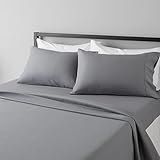
Start your free 6-month trial →- Top pickAmazon Basics Microfiber Sheet Set (choose Twin XL)~$28
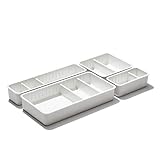
- Best budgetOXO Good Grips POP Container (3.4qt)~$16 each
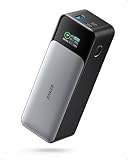
- Worth the splurgeAnker 737 PowerCore 24K~$130
That second part matters. Move-in day is a single, brutal window with a line of SUVs and zero patience for "out for delivery." Free two-day (often same-day) shipping is the difference between a fully set-up room on day one and living out of a suitcase while you wait on a shower caddy.
The bedding that's actually worth buying (and the size mistake everyone makes)
Every dorm bedding horror story starts the same way: someone ordered a queen or full set because that's what showed up first, and it doesn't fit. Nearly every dorm bed in the U.S. is Twin XL — five inches longer than a standard twin, and regular twin sheets won't stretch that far. Confirm Twin XL on the listing before you buy anything.
Past sizing, the fabric matters less than people think. You don't need $200 sheets for a bed that doubles as a desk chair. A soft microfiber set that survives a communal laundry room without pilling is the right call for year one.
Storage: where dorm rooms actually get won or lost
A dorm room has almost no built-in storage — one closet, a couple of dresser drawers, whatever wall space your RA allows. Using the unused vertical and under-bed space is the difference between a room that functions and one that feels like a supply closet.
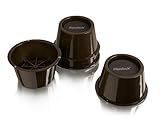
Furniture risers solve the biggest piece of this. Most dorm beds sit low, wasting the largest storage cavity in the room. Risers lift the frame 3–5 inches and turn the space underneath into real storage for bins or an extra suitcase. Non-destructive, five minutes to install, works on nearly any bed leg.
Second: a drawer organizer. Dorm desk drawers are shallow and become a junk pile of pens and chargers within a week. An interlocking organizer keeps that drawer — and a shared bathroom caddy — from turning into clutter by October.
Snacks, shared kitchens, and the one appliance worth the outlet
Dorm food storage has one real enemy: pests. Open bags of chips and cereal in a shared kitchen attract ants and go stale fast. Airtight containers solve both problems and make your shelf look like you have your life together during finals week.

Before buying anything with a heating element, check your dorm's appliance policy. Most schools ban hot plates and open-coil toaster ovens for fire-code reasons but specifically allow enclosed multi-cookers under a wattage cap. An all-in-one cooker replaces a hot plate, rice cooker, and slow cooker with one appliance and one outlet — useful when the dining hall closes early. Confirm it's allowed before ordering; RAs do room checks.

Studying without wrecking your roommate's sleep schedule
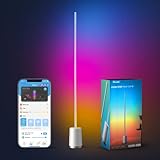
The most common roommate conflict nobody warns you about isn't noise — it's light. Overhead dorm lighting is one switch for the whole room, so every late-night paper becomes a referendum on whether your roommate gets woken up.
A monitor light bar clips above your laptop, angles light down onto your desk instead of out into the room, and skips the glare a standard desk lamp creates.
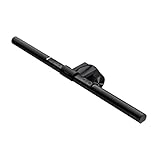
A corner floor lamp with a warm/cool toggle covers the other half — ambient light that doesn't feel like a hospital room, and a compromise setting when overhead is too much and darkness is too little.
Staying charged through an 8am-to-late-night schedule
College is the first time most students are away from a reliable outlet all day — back-to-back classes, a library session, a club meeting, phone and laptop draining the whole time. A desk charger doesn't help at 4pm across campus. A genuinely high-capacity power bank does, and it's the least glamorous, most-used item on this list.
What to buy vs. what to skip
Move-in season is when the "dorm haul" industrial complex tries hardest to sell you things you'll use twice. Here's the honest breakdown.
| Worth buying | Skip or downgrade | Why |
|---|---|---|
| Twin XL microfiber sheets | A $150 "designer" bedding bundle | Communal laundry wrecks expensive sheets as fast as cheap ones. Buy two durable sets, not one precious one. |
| Furniture risers | A bulky under-bed drawer cart | Risers work with bins you already own for a third the price. Carts often don't clear a standard dorm bed. |
| Airtight snack containers | A pantry's worth of mismatched bins | Two or three good containers cover the staples. A wall of bins is more clutter than it solves. |
| Enclosed multi-cooker (if allowed) | A hot plate or open-coil toaster oven | Most dorm fire codes ban exposed coils outright. Confirm the policy first. |
| A desk task light | String lights as your only light source | Great for photos, useless for actually reading or writing at night. |
| One solid portable charger | A drawer of $8 chargers that die in months | One battery that actually holds a charge beats replacing cheap ones every semester. |
| Vacuum storage bags | A dedicated home printer | Most campuses include a print quota through the library. A printer and ink cost more over four years than printing ever will. |
The printer line is worth dwelling on, because it's the purchase almost everyone regrets. Ink is absurdly expensive, dorm rooms don't have space for something used twice a month, and nearly every college bundles a print allowance into tuition. Save the $80–150. Use the library.
One more storage note before you check out: dorm closets are small enough that a winter coat and a swimsuit can't both hang there comfortably at once. Vacuum storage bags compress bulky seasonal clothing and extra bedding to a fraction of their size — not exciting, but it's the difference between a closet you can close and one you can't.
None of this is about buying more. It's about buying the handful of things that solve a real dorm-room problem — sizing, storage, food, light, power — and skipping what photographs well and gets used twice. Order it through a Prime for Young Adults trial and it can all be sitting in your room before you finish unloading the car.
What dorm essentials should I actually buy on Amazon?
Focus on five categories: correctly-sized bedding (Twin XL), storage that works with a small closet and low bed (risers, drawer organizers, vacuum bags), a couple of airtight food containers, one dorm-approved appliance if allowed, and a task light plus a portable charger. That short list solves almost every real dorm-room problem. Everything past that is decoration, not essential.
Is Prime for Young Adults worth it for a college student?
For most students, yes, if you're ordering more than a handful of packages a year — move-in supplies alone usually justify it. It's a discounted version of regular Prime for people roughly 18–24, generally including a free trial before any charge, with the same free two-day (often same-day) shipping, Prime Video, and deals. Eligibility, pricing, and trial length are updated periodically, so confirm current terms on the signup page.
What size sheets do I need for a dorm bed?
Twin XL, almost universally. Standard dorm mattresses run 80 inches long instead of 75, so regular twin sheets won't fit and will pop off the corners within a night. Double-check the listing says "Twin XL" before ordering — it's the single most common dorm-shopping mistake.
What small appliances are actually allowed in dorms?
It varies by school, but the common pattern: enclosed, low-wattage appliances with no exposed coil are usually fine (mini fridges under a size cap, microwaves under a wattage cap, enclosed multi-cookers), while hot plates, toaster ovens, space heaters, and open-coil anything are almost always banned for fire-code reasons. Check your housing handbook before buying anything that heats — RAs do room checks.
What dorm purchases do students regret the most?
A home printer tops the list almost every time — most colleges include a print allowance, and ink adds up fast for something used a few times a semester. Close behind: matching bedding bundles that don't survive communal laundry, under-bed drawer carts that don't fit standard bed clearance, and novelty kitchen gadgets used once during syllabus week and never again.
How do I maximize storage in a small dorm room?
Go vertical and go under the bed. Furniture risers turn wasted under-bed clearance into your largest storage zone. Wall-mounted organizers (check your housing policy on mounting first) add storage without eating floor space. Vacuum storage bags shrink out-of-season items to a fraction of their size for the one closet you'll have. Combined, those three moves solve most of the "where does anything go" problem in a typical dorm room.