What should be on your Amazon baby registry checklist? At minimum: a crib and safety-approved mattress, a rear-facing infant car seat, a stroller, diapering supplies in multiple sizes, feeding basics like bottles and a high chair, and a handful of nursery and safety items — organized into five categories (nursery, feeding, diapering, travel & gear, and safety) so nothing gets missed before your due date. Amazon's registry tool makes assembling that list fast, but fast doesn't mean people don't still get it wrong. First-time parents reliably over-buy newborn-size clothing, under-register diapers in the sizes that actually get used, and forget the completion discount window exists at all. This guide covers the full checklist by category, the registry perks worth knowing before you build your list, and the mistakes worth sidestepping.
Setting up your registry?
Amazon's baby registry gives you a free welcome box and a completion discount on everything left over.
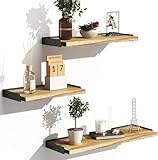
Start your Amazon baby registry →- Top pickBayka Floating Shelves (Set of 3)~$36 for set of 3
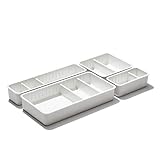
- Best budgetOXO Good Grips POP Container (3.4qt)~$16 each
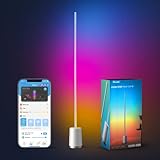
- Worth the splurgeGovee Corner Floor Lamp~$40
Creating an Amazon Baby Registry is free and takes about ten minutes. Registries typically unlock a welcome box of samples, a completion discount on whatever's left after the shower, the option to add items from other stores through Amazon's universal registry tool, and group gifting on big-ticket items like the stroller or car seat. The exact numbers and box contents shift periodically, so confirm what's currently included on the signup page before you build your list around it.
Create your Amazon Baby Registry →Why start an Amazon Baby Registry (and when)
Start in your second trimester, around 20 weeks. That's early enough to build the list gradually instead of scrambling through it in one panicked weekend, and it gives family time to buy off it before a shower. It's also early enough to research the big-ticket items — crib, car seat, stroller — before anything ships too soon.
Amazon has a practical edge over boutique baby registries: it's the store most guests already have an account with and already trust with their card number. That means more of the list actually gets purchased, since friction is the biggest killer of registry completion. And it's not locked once created — you can add, remove, and reprioritize items right up until the baby arrives, and after.
The complete Amazon baby registry checklist, by category
Here's the checklist broken into the five categories that matter, with the essentials for each. Use it as a starting point, then adjust for your situation — multiples, cloth diapering, formula versus breastfeeding, and how much help you'll have all change the details.
| Category | What to add | Registry notes |
|---|---|---|
| Nursery | Crib & firm mattress, 3+ fitted crib sheets, sound machine, baby monitor, changing pad + covers, nursery storage, blackout curtains, glider chair | Add the crib and mattress via registry search once you've researched the exact model. |
| Feeding | Bottles (6–8 to start), bottle brush & drying rack, burp cloths, bibs, high chair, breast pump if needed, formula dispenser, nursing pillow, sterilizer | Register more bottles than feels necessary — they cycle through the dishwasher fast. |
| Diapering | Diapers newborn through size 2, wipes, diaper pail, changing pad covers, diaper bag, rash cream | Newborn diapers get outgrown in 2–4 weeks for many babies — register light on newborn, heavier on size 1. |
| Travel & gear | Rear-facing infant car seat, stroller or travel system, baby carrier or wrap, portable crib/playard, extra car seat base if needed | Car seats have strict safety specs and expiration dates — pick the exact model. |
| Safety | Outlet covers, cabinet & drawer locks, baby gates, digital thermometer, first aid kit, corner/edge bumpers | Cheap and easy to overlook, but often the category finished last — and shouldn't be. |
A note on the big stuff: cribs, car seats, and strollers are worth resisting the urge to add generically. Fit, safety ratings, and stroller-frame compatibility matter more here than for burp cloths. Use your registry's built-in search to add the exact model you've decided on, rather than a placeholder you mean to swap later — swapped placeholders are the items that quietly never get updated before the shower.
Registry perks worth confirming before you build your list
Amazon Baby Registry comes with perks that make it worth using over a spreadsheet, though the specifics shift over time. Treat this as a guide to what to look for, not a locked-in promise — confirm the current version on the signup page.
- Welcome box: completing a portion of your registry typically unlocks a free box of samples from baby brands. Check the current qualifying threshold on the signup page — it's changed over the years.
- Completion discount: a percentage off whatever's still unpurchased, usually during a limited window around your due date. The single most-missed perk here — confirm the exact percentage and dates before assuming it'll be there when you go to use it.
- Universal registry: a tool that lets you add items from other retailers onto the same Amazon registry page, so a boutique crib and an Amazon diaper pail both live on one list guests can shop from.
- Group gifting: lets several guests pool money toward one big-ticket item — the stroller, the car seat — instead of one person covering it alone.
Smart registry add-ons that make the nursery actually function
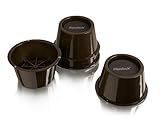
Beyond the obvious big-ticket items, these are the smaller adds experienced parents wish they'd registered for the first time around — storage, lighting, and organization that make the first few months a little less chaotic. Add the exact crib, car seat, and stroller through registry search; these round out the rest of the list.

Common registry mistakes to avoid
Most registry regrets aren't about a missing product — they're about quantity, timing, or a perk that quietly expired.
- Overbuying newborn-size clothing. Many babies are through newborn size within 2–4 weeks. Register a handful of newborn outfits and lean heavier on 0-3 and 3-6 month sizes.
- Skipping the completion discount window. Many parents finish shopping their own registry after the discount window has closed. Check your dashboard near your due date and confirm the dates on the signup page.
- Under-registering diapers and wipes. Newborns go through 8-12 diapers a day. Register across sizes, since babies size up faster than expected.
- Starting too late. A registry rushed together at 36 weeks tends to skip the unglamorous safety category — outlet covers, cabinet locks, a thermometer. Start early enough that safety gear isn't an afterthought.
- Not using the universal registry option. If you want a crib from a boutique store, add it through the universal registry tool instead of keeping a second list guests won't know exists.
- Skipping a range of price points. A registry made entirely of $150+ items leaves out guests who want to spend $15-25. Add a mix so everyone has something they can comfortably buy.
Frequently asked questions
When should I start my Amazon baby registry?
Around the start of your second trimester, roughly 12-20 weeks, is the common sweet spot — early enough to build the list gradually and give guests time to shop before a shower, late enough that you have a real sense of what you'll need. You can keep editing it for months afterward.
Is Amazon Baby Registry free?
Yes. Creating and maintaining a registry doesn't cost anything — you're not charged to build the list, add items, or share it. Amazon makes money through the purchases guests make off it, not a signup or membership fee.
Can I add items from other stores to my Amazon registry?
Yes, through Amazon's universal registry tool, typically a browser extension or "add from any store" feature. It pulls in a product from a boutique shop or another retailer's site so it shows up alongside your Amazon items on one shareable list.
What is the Amazon Baby Registry welcome box?
A box of sample products from baby brands that Amazon typically sends once you've added a qualifying number of items to your registry. Contents and the qualifying threshold have changed over time, so confirm what's currently included directly on the signup page.
Does Amazon give a discount on leftover registry items?
Amazon Baby Registry has historically offered a completion discount — a percentage off whatever's still unpurchased — usually valid during a window around your due date. It's the perk people miss most often because they don't realize it's time-limited. Check the current percentage and dates on the signup page.
How many items should be on a baby registry?
There's no fixed number, but a common range is 80-120 items once you count every diaper size, multi-pack, and smaller nursery item alongside the big-ticket gear. Cover all five categories — nursery, feeding, diapering, travel and gear, and safety — before worrying about hitting a specific count.
Can guests buy from my registry without an Amazon account?
Guests generally need an Amazon account to check out and purchase from your registry, though they don't need a Prime membership. Most people already have an account, which is part of why registry gifts tend to actually get purchased.