Cast iron is the most misunderstood pan in any kitchen. People are afraid of it, confused by it, or convinced they've ruined it forever by washing it with dish soap once. None of that is true. Cast iron is essentially indestructible, costs $24, and — once you understand what's actually happening when you season and maintain it — becomes the easiest pan you own. This guide covers everything that actually matters and debunks the myths that have scared people away from the best cooking surface available at this price.
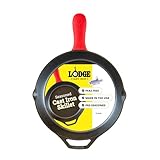
- Top pickLodge 10.25in Cast Iron Skillet~$24
- Best budgetLodge Silicone Hot Handle Holder~$8
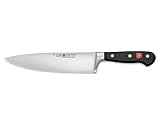
- Worth the splurgeVictorinox Fibrox Pro 8in Chef's Knife~$45
What seasoning actually is (and isn't)
Seasoning isn't a coating you apply and protect like fine china. It's polymerized oil — fat that has been heated past its smoke point and bonded to the iron surface at a molecular level. When you cook with oil and heat, you're continuously adding to this layer. It's a living surface, not a fragile finish. The process: rub a thin layer of oil (flaxseed, Crisco, or plain vegetable shortening — not olive oil) over the entire pan, inside and out. Wipe off almost all of it so it looks dry, not wet. Bake upside-down at 450°F for an hour. Repeat 3–4 times when building a new pan from scratch; after that, normal cooking maintains it. The key word is thin. Too much oil and it pools, doesn't fully polymerize, and creates a sticky, gummy surface. Thin layers bake hard and slick.
The cleaning myths, debunked completely
The soap myth. "Never use soap on cast iron" is the most repeated piece of cooking advice on the internet and it is — mostly — wrong. Modern dish soap uses surfactants, not lye. A small amount of soap, a quick scrub, and immediate drying does nothing to a well-seasoned pan. What actually damages seasoning: soaking in water, harsh scouring with steel wool, prolonged exposure to acidic food, and storing wet. The actual cleaning method: Rinse with warm water while the pan is still hot. Use a stiff brush or chain mail scrubber for stuck-on bits. Dry immediately on the stove over low heat for 2 minutes. Wipe with a drop of oil while warm. Done.
What to cook first (and what to avoid early on)
Great first cooks: Bacon (renders fat directly into the surface, nearly perfect seasoning maintenance). Pan-fried chicken thighs. Sautéed vegetables with plenty of oil. Smash burgers. Cornbread baked in the oven. Things to avoid while still building seasoning: Eggs (they'll stick until the surface is truly slick — usually 5–10 cooks in). Tomato sauce, wine reductions, lemon-based dishes (acidic food strips seasoning). High-moisture braises (water is the enemy of iron). After 10–15 cooks, a well-maintained Lodge skillet will release eggs without a struggle.
Lodge vs. other brands — the honest comparison
Lodge ($24–60): Made in the USA since 1896. Pre-seasoned. Performs excellently once you've cooked on it 10–15 times. The undisputed value pick for most people. Field Company, Finex, Stargazer ($95–160): Hand-ground to a smoother surface finish, significantly lighter than Lodge. If you cook daily and want something more refined, Finex or Stargazer are excellent — but $120 for a skillet is a real premium over Lodge's $24. Le Creuset and Staub enameled cast iron ($250–350): Different category. Ideal for braises, soups, Dutch oven cooking. Doesn't need seasoning, handles acidic food. Not interchangeable with bare cast iron for high-heat searing. Vintage Griswold and Wagner: If you find them at an estate sale for under $30, buy them. Pre-1960s American cast iron was hand-ground to a mirror finish and is genuinely superior to anything made today. For almost everyone: buy the Lodge, cook on it consistently, stop worrying about the brand.
Restoring a rusty cast iron pan
Rust on cast iron is completely cosmetic and 100% reversible. The exact process: (1) Scrub aggressively with steel wool — remove all rust and old flaky seasoning down to bare metal. (2) Rinse and dry completely. Put in a 250°F oven for 10 minutes to drive out moisture. (3) Season from scratch: thin coat of oil, wipe almost completely off, bake at 450°F for 1 hour, upside-down. Repeat 3–4 times. (4) Cook bacon. A pan that looks like it came from a shipwreck will be fully functional in an afternoon.
The accessories that actually help
A silicone handle cover ($8–12). A chainmail scrubber (already listed above). A seasoning conditioner (Crisbee, already listed). Paper towels between stacked pans to prevent moisture transfer and micro-scratches. You don't need: cast iron "conditioner sprays," seasoning kits with multiple tools, cast iron cleaning kits. Flaxseed oil and a chainmail scrubber handle everything.
Can I use soap on cast iron?
Yes, in moderation. Modern dish soap uses surfactants, not lye, and won't strip a properly built seasoning. A quick wash with a small amount of soap followed by immediate drying and a light oil wipe is completely fine. The real risks are soaking in water and putting it in the dishwasher.
Why does my cast iron look grey and dull instead of shiny black?
New cast iron — including Lodge's pre-seasoned surface — is grey-brown with a matte texture. The glossy black surface comes from accumulated polymerized oil over dozens of cooks. Cook fatty things, dry thoroughly after washing, wipe with oil while warm. Within a month of regular use, you'll see the difference.
My cast iron is sticky — what went wrong?
Sticky cast iron means too much oil was applied when seasoning, or it wasn't heated hot enough for long enough. Strip the sticky layer by scrubbing with steel wool, rinse, dry completely in a 250°F oven, and re-season with an extremely thin application — the pan should look almost dry, not wet.
Can you cook eggs on cast iron?
Yes, but it takes a properly developed seasoning — typically 10–15 cooks into a new pan's life. Use medium-low heat, adequate butter or oil, and let the egg sit without moving until it releases on its own.
Is a $150 cast iron skillet actually better than a $24 Lodge?
Slightly right out of the box — premium brands machine-grind their surfaces smooth, which is slicker from day one. A Lodge cooked on 20 times is indistinguishable in performance. Both make identical food. For most people, the Lodge is the objectively correct choice.
How do I store cast iron so it doesn't rust?
Dry completely — either air dry then put over low heat on the stove for 2 minutes, or use the oven technique. Store in a dry environment. If stacking with other pans, place a paper towel between them. Never store with a lid on, which traps humidity.