The spice situation in most kitchens is an embarrassment of good intentions. Jars of sumac bought for one recipe, three duplicate cardamoms, cinnamon from the previous decade, and a rack that either blocks the back of the cabinet or takes up counter space you don't have. A working spice system is one you actually interact with — where you can see what you have, reach what you need, and know when something is old enough to replace. The rack is the least important part of that system.
The three spice storage approaches
Drawer inserts: Best for cooks who use spices frequently. Jars lay flat, labels face up, you see everything at once. Requires consistent jar sizing — buy matching jars once and commit. Cabinet risers or pull-out shelves: Good for large collections that live in a cabinet and need visibility without a drawer. Counter/wall racks: Looks best on Instagram, works adequately in practice, collects grease near the stove, spices degrade faster in heat and light. Think twice before choosing this one.
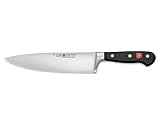
The best thing in your spice setup: a good knife
The reason your spice rack matters: you're reaching for it because you're cooking. And nothing matters more to cooking than a sharp knife. If your spice drawer is organized but your knife is dull, you've optimized the wrong thing.
The matching-jar system: when it's worth the effort
If you're going to reorganize, commit to matching jars. The visual noise of 40 different jar shapes and label styles creates cognitive load every time you open the cabinet. Pick one jar (4 oz square glass jars are the standard), buy 30–40, label with a label maker, and fill from bulk bins or large containers. The upfront investment is $40–60 and you won't need to do it again for years.
What to skip
Rotating carousel spice racks: they take up an enormous footprint for limited capacity and the rotation mechanism adds nothing to access. Magnetic racks: look beautiful, work for small collections, problem is most magnetic racks don't hold heavy jars reliably and spices near the stove degrade faster. Pre-filled spice rack sets: the herbs are old before they reach you, the selection is never right, and you end up buying most of them separately anyway.
The actual spice system that works
Step 1: throw out anything over 3 years old (most things in your cabinet). Spices don't go bad in a dangerous sense but they go inert — the volatile oils that carry flavor degrade. Step 2: buy whole spices where possible (whole cumin, whole coriander, black peppercorns, whole nutmeg) and grind as needed. Step 3: store in a cool, dark, dry cabinet — not the cabinet over the stove. Heat and light are the enemy. Step 4: label everything with the purchase date on the bottom of the jar.
FAQs
How old is too old for a spice?
Ground spices: 1–3 years before they're noticeably weaker. Whole spices: 3–5 years. Fresh rule of thumb: smell the jar. If you don't smell much, it's gone. Replace anything with no aroma, and replace ground paprika and chili powder annually — they lose color and heat fast.
Are expensive spice brands worth it?
For everyday cooking spices (cumin, coriander, turmeric, paprika), buy in bulk from Indian or Middle Eastern grocery stores — fresher and much cheaper. For specific high-quality items (saffron, vanilla, good smoked paprika), brand matters more. Diaspora Co. and Burlap & Barrel have genuinely exceptional single-origin spices for dishes where the spice is the point.
Should I store spices in the freezer?
For whole spices and large quantities you won't use quickly, yes — the freezer extends shelf life significantly. For daily-use jars, no — the condensation from going in and out degrades them faster than ambient temperature. Keep daily-use on a shelf, backup supply in freezer.
What's the difference between a spice rack and a spice drawer?
Organization style and visibility. Drawer inserts let you see every jar label at once (labels face up). Racks require clear jar tops or round labels on the lids to identify quickly. For large collections (30+ jars), the drawer system is almost always faster to navigate.
How many spices do I actually need?
A core 20 covers most global cuisines: black pepper, kosher salt, cumin, coriander, turmeric, paprika, smoked paprika, chili flakes, cayenne, cinnamon, cardamom, cloves, allspice, bay leaves, dried oregano, dried thyme, garlic powder, onion powder, mustard powder, nutmeg. Beyond that, buy for specific recipes rather than to fill a rack.