Here's the confusion that lands in a lot of Amazon return boxes: someone buys a robot vacuum, runs it across the kitchen, and wonders why the floor still feels tacky under bare feet. A vacuum was never going to fix that — it picks up crumbs and dust, not the dried juice spill from Tuesday. Mopping and vacuuming are two different physical jobs, done with two different mechanisms, and the robot version of each has its own strengths, its own blind spots, and its own price tag. This isn't a "which robot vacuum should I buy" post — we've already covered that in detail. This is the question one level up: mop, vacuum, or one machine that tries to do both, and which of those actually matches your floors.
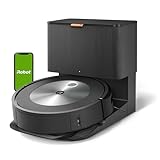
- Top pickiRobot Roomba j7+ Self-Emptying Robot Vacuum~$550
- Best budgetEufy RoboVac 11S Max~$200
- Worth the splurgeEcovacs Deebot X1 Omni Robot Vacuum and Mop~$1,100
The honest quick answer
If you can only own one robot, buy a vacuum. Dust, pet hair, crumbs, and dry debris are the daily accumulation that makes a house feel unkempt, and a good robot vacuum handles that on autopilot. Mopping is a lower-frequency, higher-precision job — most homes need it weekly, not daily — and a mediocre robot mop bolted onto a vacuum as an afterthought tends to smear more than it cleans. The three real options, in order of what most people should actually consider:
- Just a vacuum. Right for carpeted homes, homes with pets shedding constantly, or anyone who mops by hand a couple times a month and is fine with that.
- A vacuum plus a dedicated mop. Right for hard-floor-heavy homes where mopping quality actually matters — two simpler machines, each built to do one job well, usually for less total money than a single flagship combo.
- A combo vacuum-mop. Right for people who want a single button that handles everything and are willing to pay a real premium — in money, counter space, and maintenance — for that convenience.
For most homes with a mix of rugs and hard flooring, our full breakdown of robot vacuums by price tier covers the vacuuming half of this decision well. This article is about the mopping half — and about whether bolting the two together into one machine is actually a good idea.
How a robot mop actually cleans your floor
Every robot mop on the market uses one of three basic mechanisms, and knowing which one you're buying tells you almost everything about how well it'll actually clean, not just how the marketing photo looks.
Vibrating pad mops — the mechanism iRobot's Braava line built its reputation on — attach a damp microfiber pad to the bottom of the robot and vibrate it rapidly against the floor, roughly 3,000 times a minute, essentially scrubbing rather than wiping. Some models add a precision jet spray just ahead of the pad to pre-wet sticky spots before the scrubbing pass hits them. This is the closest a robot gets to actually replicating the arm motion of a person scrubbing a stain by hand, and it's genuinely good at lifting dried, stuck-on messes rather than just smearing them sideways.
Spinning pad mops — the mechanism most combo units from Roborock and Ecovacs use — spin one or two round pads against the floor while pressing down with real mechanical force, similar to a miniature buffer. The rotation plus downward pressure does a solid job of breaking up light grime and polishing the floor to a shine, though it's a fundamentally different action than scrubbing — more like a floor polisher than a hand-scrubbing motion, which matters on genuinely dried, stubborn spots.
The water system is the part most people don't think about until it becomes a problem. Basic mops carry a single small onboard tank that drips or mists water onto the pad as it goes — simple, cheap, but the pad gets dirtier and drier as the run continues, so later rooms get a weaker mop than the first room. Premium combo docks add a clean-water tank and a separate dirty-water tank, rinsing the pad at the dock every so often mid-run so it's never dragging the same grime across your whole house. That's the single biggest functional difference between a $150 mop and a $900 one — not the pad, the plumbing.
Where mopping robots actually work — and where they flatly don't
This is the part the product photos never show you: a robot mop's success is almost entirely determined by your flooring, not the robot's specs. Sealed hardwood, tile, vinyl plank, and laminate are all genuinely good territory — flat, hard, water-tolerant surfaces are exactly what these mechanisms were designed for, and a mid-range mop will noticeably improve how your kitchen floor feels underfoot within a couple of runs.
Grout lines and textured tile are the honest middle ground. A robot mop will lighten grout over repeated passes, but it isn't going to deep-scrub a stained grout line the way a person on their knees with a brush would — set that expectation before you buy, not after.
Unsealed or older hardwood is a genuine caution zone. Any mechanism that puts water on the floor carries some risk of it seeping into gaps or worn finish over time. Most premium mops let you dial water flow down to a near-dry mist specifically for this scenario, which helps, but if your floors are original hardwood from the 1970s with visible gaps, ask before you buy, don't assume.
And then there's carpet, which is where the category is honest with itself: a robot mop cannot clean carpet, and no marketing claim changes that. High-pile or shag carpet isn't just unmoppable, it's often un-vacuumable for a robot too — the fibers grab wheels and brush rolls and the whole unit can get stuck. Combo units solve the transition problem, not the carpet-cleaning problem: most raise the mop pad a few millimeters automatically when they detect a rug, so they don't drag a wet pad across it, but they're still just vacuuming that rug, not mopping it. If a room needs actual carpet cleaning, that's a different appliance entirely.
Combo units: the real tradeoffs nobody puts on the box
A flagship combo — something like the Roborock S7 MaxV Ultra or the Ecovacs Deebot X1 Omni — is a genuinely impressive piece of engineering. One dock, one app, one machine that vacuums a room, drops the mop pad, wets it, mops, then returns to a base that empties its own dustbin, rinses its own pad with clean water, refills its own tank, and dries the pad with warm air so it doesn't grow mildew between runs. On paper, it's the closest thing to "set it and forget it" floor care that exists right now.
The tradeoffs are real, though, and they're not small. The dock itself is enormous — some are the size of a small end table, need to sit near a wall outlet, and a few genuinely benefit from a nearby water line if you don't want to refill tanks by hand every few days. The price sits in flagship territory, often $700 to $1,400, which buys you a lot of dedicated single-purpose cleaning equipment if you split it instead. And because one machine is doing both jobs on the same pass through a room, it's frequently "good enough" at each rather than the best available at either — the vacuum suction on a combo unit is rarely the strongest vacuum-only option at that price, and the mop mechanism is usually simpler than what a dedicated mop offers, because both have to share space and weight budget inside one chassis.
There's also a genuine hygiene question worth asking before you buy: how does the dock actually separate clean and dirty water? The good combo docks use two separate tanks and rinse the pad with fresh water from the clean tank, draining the used water to the dirty tank rather than recirculating it. Cheaper combo units cut this corner — a single tank, a pad that gets rinsed in its own runoff, which means later rooms in a run can get a dirtier mop than the room you started in. That's exactly backwards from what you're paying the premium for, so if you're going combo, check specifically for a two-tank clean/dirty separation before buying, not just a "self-cleaning" claim on the box.

When a dedicated mop beats a combo
Two-machine setups win more often than the marketing suggests, for a few concrete reasons. First, cost: a solid dedicated mop plus a solid budget vacuum frequently lands well under half the price of a single flagship combo, for cleaning quality that's equal or better at each individual job. Second, mechanism quality: a robot built to do nothing but mop can devote its entire engineering budget — motor, pressure, water system — to that one task instead of splitting it with suction and a dustbin. Third, and most overlooked: if one machine breaks, you still have the other. A combo unit going down for repair means zero floor cleaning until it's fixed, not just half.
Two-machine setups also make the most sense for homes that already own a decent vacuum and don't want to replace it just to add mopping. iRobot's ecosystem specifically rewards this: a Roomba and a Braava jet mop can be set up so the mop automatically starts in a room right after the Roomba finishes vacuuming it, via a feature iRobot calls Imprint Link — genuinely the best of both worlds if you're already a Roomba household and just want mopping added on, without a full-price combo purchase.
Where a dedicated mop struggles: homes that want true one-touch, walk-away automation with zero manual tank refilling or scheduling coordination between two separate apps. If that convenience is worth real money to you, that's a legitimate reason to go combo — just go in knowing you're paying for the coordination, not necessarily for superior cleaning at either job.
What to skip
- Sub-$150 "3-in-1" mop attachments. A lot of budget vacuum-mop combos are just a damp cloth velcroed to the bottom of a vacuum with no pressure, no vibration, and no real water system. These drag a wet rag across your floor rather than cleaning it — often making a light layer of grime worse by smearing it evenly instead of lifting it.
- Any mop marketed as working on carpet. It doesn't, full stop. If a listing implies otherwise, that's a marketing claim, not a mechanism claim — check the actual product description for pad-lifting language, which is the honest version of this feature.
- Combo docks with no stated clean/dirty water separation. If the listing doesn't specifically mention two tanks or a clean-rinse cycle, assume the pad is getting rinsed in its own dirty water. That's a real downgrade hiding behind a "self-cleaning" label.
- Buying a combo purely for the mopping half. If mopping quality is your main priority and you don't specifically need the one-machine convenience, a dedicated mop almost always out-mops the mopping half of a combo unit, for less money.
At a glance: which one fits your floors
| Setup | Best for | Watch out for |
|---|---|---|
| Robot vacuum only | Carpeted or mixed homes, pet hair, daily dust and debris | Won't touch sticky spills or grime on hard floors |
| Dedicated robot mop | Hard-floor-heavy homes that already own a vacuum, or want the best mopping specifically | Needs a separate schedule/app unless it's the same brand as your vacuum |
| Combo vacuum-mop | One-button convenience, mixed flooring, willing to pay a premium | Large dock footprint, high price, often "good enough" rather than best at either job |
| Any mop, any home with high-pile carpet or shag rugs | Nothing — skip mopping there entirely | Water plus deep pile is a mess, not a clean |
Frequently asked questions
Can a robot vacuum mop by itself, without a separate mop robot?
No — a standard robot vacuum only uses suction and a brush roll. If a vacuum's marketing mentions mopping, it's either a combo unit with a separate mop pad and water system built in, or a basic cloth attachment with no real scrubbing mechanism. Read the spec sheet for a water tank and pad-lift feature to know which you're actually getting.
Will a robot mop damage my hardwood floors?
Sealed hardwood in good condition is generally fine, since most robot mops use a light mist or damp pad rather than standing water. Unsealed or older hardwood with visible gaps or worn finish is a real risk, since any water can seep into seams over time. If you're unsure, dial the water flow to its lowest setting or ask before buying, and never leave a mop running unattended on flooring you're not sure about.
Do combo vacuum-mop robots actually clean carpet the same as a vacuum-only model?
The vacuuming half performs similarly, since most combos lift the mop pad automatically before crossing carpet. But the mop pad itself never touches carpet at all — the "combo" only refers to hard-floor mopping plus whole-home vacuuming, not carpet mopping, which isn't a real thing on any robot.
Is a $1,000 combo unit actually better than a $250 mop plus a $200 vacuum?
For pure cleaning quality, often no — two dedicated machines frequently match or beat a combo at each individual job for less combined money. The combo's real advantage is convenience: one app, one schedule, one dock that empties, washes, and refills itself. That convenience is worth paying for to some people and not to others.
How often do I actually need to run a robot mop?
Most homes are fine mopping hard floors once or twice a week, compared to daily or every-other-day for vacuuming. Kitchens and entryways can justify more frequent mopping if they see a lot of spills or foot traffic; bedrooms and hallways usually need it far less.
What's the difference between vibrating and spinning mop mechanisms in practice?
Vibrating pad mops (iRobot's Braava line) scrub rapidly in place, which is closer to hand-scrubbing and tends to do better on dried, stuck-on spots. Spinning pad mops (most Roborock and Ecovacs combo units) rotate with downward pressure, more like a floor buffer, which polishes well but is a different action than scrubbing. Neither is universally better — it depends on whether your mess is mostly dried grime or general light dust and residue.
Do I need a self-emptying, self-washing dock, or is that overkill?
It's a genuine convenience upgrade, not a gimmick — it means you're not hand-rinsing a mop pad or emptying a dustbin every single run. Whether it's worth the extra several hundred dollars depends on how much you value walk-away automation versus doing five minutes of maintenance yourself once or twice a week.