Every sheet-shopping thread eventually turns into a fight. Someone swears by microfiber because it's cheap, soft out of the bag, and doesn't wrinkle. Someone else insists cotton is the only "real" sheet and anything synthetic is basically sleeping inside a gym bag. Both of these people are right about their own bed and wrong about yours. Sheets are one of the few purchases where the "best" answer genuinely depends on who's asking — how hot you sleep, what climate you live in, and how much laundry effort you're willing to put in.
- Top pickAmazon Basics Microfiber Sheet Set (Queen)~$28
- Worth the splurgeGovee Corner Floor Lamp~$40
So instead of picking a side and writing 1,500 words to justify it, here's the actual breakdown: where microfiber wins, where cotton wins, where the differences are smaller than the marketing wants you to believe, and which one you should buy based on how you actually sleep.
Breathability: this is where cotton usually wins
Cotton is a natural fiber with a structure that lets air move through it. Microfiber is a woven synthetic — usually polyester, sometimes a poly-blend — and synthetic fibers are inherently less breathable than natural ones because the fiber itself doesn't wick moisture the way cotton does. That's not marketing spin, it's just fiber chemistry. If you sleep hot, sweat at night, or live somewhere humid, cotton (specifically a percale weave, more on that below) is going to feel noticeably better against your skin over a full night.
Microfiber isn't bad here, it's just working against its own construction. The tight weave that makes it feel silky-soft and resist wrinkling is the same tight weave that traps heat and moisture close to your body. If you've ever woken up a little clammy in microfiber sheets in July, that's not in your head.
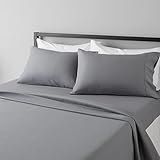
Temperature regulation: it depends more on your climate than the fabric
This is the section where most sheet articles lie to you a little. The truth is that temperature regulation isn't purely about microfiber vs. cotton — it's about weave, weight, and your actual bedroom. A lightweight percale cotton sheet in a cool, dry bedroom and a heavier sateen cotton sheet in a warm, humid one will feel completely different, even though both are "cotton." Same fabric, different result, because the room and your body are doing half the work.
That said, in a head-to-head at similar weights, cotton still regulates temperature better than microfiber for most sleepers, especially hot sleepers and anyone in a warm climate without central air. Microfiber tends to run warmer because polyester traps heat rather than releasing it. If you're in a cold climate, sleep cold, or keep your bedroom chilly, that "runs warm" quality can actually work in your favor — this is the one spot where microfiber's supposed weakness becomes a feature. Cold sleepers in drafty bedrooms sometimes prefer microfiber for exactly the reason hot sleepers avoid it.
Durability and pilling: microfiber's real weakness
Here's the myth that needs correcting first: thread count above 400 is mostly meaningless. Manufacturers split individual cotton threads and count each strand separately to inflate the number on the package, so a "1,200 thread count" sheet is very often lower actual quality fiber counted in a misleading way. A well-made 300–400TC percale sheet will outperform a cheap, inflated 1,200TC sheet every time. Keep that in mind for both sides of this comparison, because microfiber sets love to slap huge thread-count numbers on the packaging too, and the number means just as little there.
Where the fabrics genuinely diverge is pilling — those little fuzz balls that show up after repeated washing. Microfiber, being a synthetic fiber, is more prone to pilling over time, especially if it's washed with rougher fabrics, dried on high heat, or washed too frequently on hot cycles. It's a real weakness, not a myth. The upside: microfiber is cheap enough that replacing a pilled set every couple of years barely registers as a cost. Good cotton, especially long-staple cotton like Pima or Egyptian, resists pilling better and tends to actually improve with age — it gets softer with every wash instead of fuzzier. That longevity is a big part of why quality cotton costs more up front.
Price: no contest
Microfiber wins this one outright, and it's not close. A full microfiber queen set typically runs $20–35 and performs shockingly well for the price — soft, wrinkle-resistant, and durable enough for a few years of regular washing. Quality cotton sheets start around $60–100 for a decent long-staple percale or sateen set and climb well past $150 for genuinely premium cotton. If you're furnishing a guest room, a kid's room, a rental, or you just don't want to think hard about sheets, microfiber's price-to-performance ratio is genuinely excellent. It's not a "cheap because it's bad" situation — it's a legitimately smart budget pick.
The cotton buying guide nobody gives you straight
If you've decided cotton is the way to go, here's what actually matters, in order:
- Ignore thread count above 400. Past that number you're mostly paying for a marketing claim, not a better night's sleep. Focus on the fiber and weave instead.
- Staple length matters more than the country of origin. "Egyptian cotton" on a label is frequently misused or outright false — there's no enforcement on the term. What actually predicts quality is long-staple or extra-long-staple cotton (longer fibers mean fewer loose ends, less pilling, a smoother hand-feel), regardless of where it's grown.
- Percale vs. sateen is the real decision. Percale uses a simple one-over-one-under weave, which produces a crisp, matte, cool-to-the-touch sheet — think hotel bed. It's the better choice for hot sleepers and warm climates, and it gets softer and better with every wash. Sateen uses a weave with more threads floating over the surface before going under, which creates a silkier, slightly heavier sheet with a subtle sheen. It feels warmer and more "luxurious" against the skin, which makes it the better pick for cold sleepers or cooler bedrooms, but it doesn't breathe as well as percale.
- Look for OEKO-TEX certification if you want assurance the fabric was tested for harmful substances — it's a genuinely useful label, unlike thread count.
- Expect to pay $70+ for a queen set if you want cotton that actually delivers on the breathability and durability advantages described above. Cheap cotton under $40 is often short-staple, loosely woven, and won't outperform a good microfiber set in any meaningful way.
There's no single "best" cotton sheet we're pointing you to here — the honest answer is that the right cotton sheet depends on percale-vs-sateen preference and your budget more than any one brand. Shop with the criteria above and you'll do fine.
Who should actually buy which
Stop asking "which fabric is objectively better" and start asking "which one fits how I actually sleep." Here's the honest breakdown:
| If you're this kind of sleeper | Go with | Why |
|---|---|---|
| Hot sleeper / humid climate | Cotton percale | Best breathability and moisture-wicking of the two |
| Cold sleeper / drafty bedroom | Microfiber or cotton sateen | Both retain warmth better than percale |
| Tight budget / guest room / kids' room | Microfiber | Best performance per dollar, easy to replace |
| Allergy-prone / sensitive skin | Long-staple cotton | Natural fiber, less synthetic buildup over time |
| Want low-maintenance, wrinkle-free sheets | Microfiber | Resists wrinkling straight out of the dryer |
| Investing in a "forever" sheet set | Long-staple cotton | Gets softer with age, resists pilling longer |
Notice what's missing from that table: a universal winner. That's the honest answer. If you're still unsure, default to microfiber first — it's cheap enough to try, comfortable enough for most people, and if you find yourself waking up warm, you'll know exactly what to upgrade to next.
Round out the bedroom while you're at it
Sheets are only part of the sleep-quality equation. If you're already upgrading your bed, three cheap changes tend to matter more than people expect. Blackout curtains address something sheets can't fix at all — light exposure disrupts melatonin regardless of what you're sleeping on, and a genuinely dark room makes a bigger difference to sleep quality than most fabric decisions.
A warm, dim floor lamp instead of a harsh overhead light in the last hour before bed also does more for wind-down than people give it credit for — overhead lighting keeps your brain in "daytime" mode right up until you try to fall asleep.
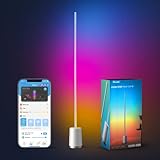
And if you're investing in better sheets, a couple of floating shelves by the bed for water, glasses, and a lamp keep the whole setup looking intentional instead of like a nightstand emergency. They install in about 20 minutes and hold up to 33lbs each.

Frequently asked questions
Is microfiber or cotton better for hot sleepers?
Cotton, specifically a percale weave. Cotton is a natural, breathable fiber and percale's loose, crisp weave lets air move through it. Microfiber's tight synthetic weave traps heat and moisture closer to the body, which is exactly what a hot sleeper doesn't want.
Does higher thread count actually mean better sheets?
Not past roughly 400. Manufacturers can split individual threads and count each strand separately to inflate the number on the label, so a 1,200 thread count sheet isn't automatically better than a well-made 300–400TC sheet — it may just be counted misleadingly. Focus on fiber quality (long-staple cotton) and weave type instead of chasing a bigger number.
Why do microfiber sheets pill faster than cotton?
Microfiber is a synthetic fiber, and synthetic fibers are more prone to pilling than natural ones, especially with frequent washing, high heat drying, or washing with rougher fabrics. Good long-staple cotton resists pilling better and tends to soften rather than fuzz with age. It's a real durability tradeoff, not a myth — it's also part of why microfiber sets cost so much less.
What's the actual difference between percale and sateen cotton?
Percale uses a simple one-over-one-under weave that produces a crisp, matte, breathable sheet that sleeps cool — the classic "hotel sheet" feel. Sateen uses a weave with more threads floating over the surface, producing a silkier, slightly heavier sheet with a subtle sheen that feels warmer against the skin. Hot sleepers generally do better with percale; cold sleepers often prefer sateen.
Is "Egyptian cotton" on the label actually meaningful?
Often not. The term isn't well enforced, and it's frequently misused on sheets that don't contain genuine Egyptian-grown cotton. What actually predicts quality is staple length — long-staple or extra-long-staple cotton produces fewer loose fiber ends, less pilling, and a smoother feel, regardless of where the cotton was grown or what the label claims.
If I can only afford one set right now, which should I buy?
Microfiber, as a starting point. It's inexpensive enough to be a low-risk way to figure out how you sleep, performs well for most people, and resists wrinkling straight out of the dryer. If you find yourself waking up warm or sweaty, that's your signal to upgrade specifically to a cotton percale set rather than another microfiber one.