If you've ever popped the tank off your humidifier and found a film of pink slime or gray fuzz clinging to the inside, you already know the dirty secret of this product category: a humidifier is basically a small, warm, standing-water ecosystem you plug in and point at your face all night. Left alone, it doesn't just fail to help your dry winter skin — it can actively worsen your indoor air, aerosolizing mold spores and bacteria straight into the room you sleep in. That's not a scare tactic. It's just how stagnant water behaves.
- Top pickOXO Good Grips POP Container (3.4qt)~$16
- Worth the splurgeiRobot Roomba j7+ Self-Emptying Robot Vacuum~$550
The good news: mold in a humidifier is almost entirely preventable, and it has nothing to do with buying the most expensive machine. It comes down to picking the right type and actually running a cleaning routine you'll stick to. Here's what works, what to skip, and which products make the system easier to maintain.
Why humidifiers grow mold in the first place
Mold and bacteria need three things to thrive: moisture, warmth, and time. A humidifier tank hands them all three on a silver platter. Water sits in the reservoir for hours or days, and most people don't think about cleaning it until something visibly changes — by which point a biofilm (that slippery coating you feel when you swirl your finger inside the tank) has already established itself. Biofilm is the real enemy here: a colony of bacteria and mold that builds a protective layer on plastic, and once it's there, a quick rinse won't remove it — you need to actually scrub or soak it loose.
The other overlooked factor is mineral buildup. Tap water leaves behind dissolved minerals as it evaporates, forming a white, chalky crust people call "humidifier dust." That crust isn't just cosmetic — it creates a rough, porous surface that's easier for bacteria to grip than smooth plastic. Distilled or demineralized water slows this down significantly, which is why manufacturers quietly recommend it in the fine print nobody reads.
Ultrasonic vs. evaporative vs. steam — which one actually harbors mold
This is the question that actually matters more than brand or price, so let's be blunt about it.
Ultrasonic humidifiers use a vibrating diaphragm to shatter water into an ultra-fine mist, and they're the ones people buy most often because they're quiet and cheap. The problem: if there's bacteria or mineral content in that water, the mist sprays it directly into the air — no heat, no filtration, nothing to kill what's living in the tank. This is the type most associated with "humidifier dust" and, in worst cases, aerosolized bacteria. It's not inherently bad, just the least forgiving of neglect. Go this route and you're committing to distilled water and a real cleaning schedule.
Evaporative humidifiers pull water up through a wick or filter and use a fan to blow air across it, releasing moisture as it evaporates naturally. Because the process relies on evaporation rather than misting, these units are somewhat self-regulating — they can't over-humidify a room the way ultrasonic units can, and they don't blast unfiltered droplets into the air. The wick does need monthly replacement and can become a mold magnet if left wet and unused, but overall this format causes the fewest mold complaints in practice.
Steam (or "warm mist") humidifiers boil the water before releasing it as vapor, killing bacteria and mold spores in the process. From a pure hygiene standpoint, this is the safest mechanism — you can't have live bacteria in water that just boiled. The tradeoffs: more electricity use, not recommended near small kids due to scalding risk, and mineral buildup around the heating element still needs regular descaling even though live mold isn't the issue.
If mold is your main worry and you want the format that's hardest to mess up, steam wins on hygiene and evaporative wins on balance of safety and convenience. Ultrasonic wins on quiet operation and price, but only if you're disciplined about maintenance.
The cleaning routine that actually prevents mold
Nobody wants to hear this, but the manufacturer's cleaning instructions in the manual are usually correct, and most people just don't follow them. Here's the realistic version broken into a cadence you can actually stick to:
- Daily: Empty any water left in the tank in the morning — don't let it sit for another 24 hours. Wipe the tank dry with a clean cloth. This alone eliminates most of the standing-water problem.
- Every 2–3 days: Rinse the tank and base with a 1:1 white vinegar and water mix, swish, let sit 15–20 minutes, then rinse with clean water before refilling. Vinegar's acidity breaks down mineral scale and kills bacteria without leaving toxic residue — why it's preferred over bleach for anything you'll breathe.
- Weekly: A deeper scrub with a soft brush (an old toothbrush works fine) to remove biofilm from corners, seams, and the mist outlet — spots a rinse never reaches. This is the step that actually breaks up established colonies.
- Monthly (or per manufacturer instructions): Replace filters or wicks on evaporative models, and do a full descale on any unit with mineral buildup using a stronger citric acid solution or a dedicated descaling product.
Skip bleach unless your model's manual explicitly says it's safe — it can degrade plastic and leave residue that gets aerosolized into the air you breathe. Vinegar and citric acid do the job without that risk. And keeping cleaning supplies visible near the humidifier matters more than it sounds: if the vinegar and citric acid tablets are sitting right there instead of buried in a cabinet, you'll actually do the rinse instead of skipping it.

Bedroom vs. whole-house sizing — and why over-humidifying causes its own mold problem
People assume the mold risk is only inside the machine, but an oversized humidifier creates a second risk: condensation on your walls and windows. Ideal indoor humidity sits between 30–50%. Above that, moisture condenses on cool surfaces — especially single-pane windows and exterior walls in winter — which is exactly the damp environment mold needs to take hold in drywall and window frames. A hygrometer (many humidifiers now build one in) takes out the guesswork.
For a single bedroom (roughly 250–400 sq ft), a tabletop unit in the 1–1.5 gallon range is usually enough for overnight use, and it's easy enough to actually clean because the tank is small. For open-concept living spaces, you're better off running two smaller units than one giant one — a heavy, awkward tank is a tank that doesn't get cleaned as often as it should.
The bedroom is where sizing mistakes matter most, since you're breathing that air for eight hours a night. Pairing a properly sized humidifier with breathable, easy-to-wash bedding helps on both fronts — less for dust and dander to cling to, and less moisture trapped than heavier bedding holds.

Where you put it matters more than people think
Placement affects mold risk in two ways nobody talks about. First, a humidifier sitting directly on carpet or a low nightstand tends to create a damp patch on the surface beneath it — carpet fibers and wood veneer both hold onto moisture, becoming their own small mold problem over time. Elevating the unit a few inches improves airflow underneath and cuts that direct dampness.
Second, a humidifier pushed into a corner or behind curtains doesn't distribute moisture evenly — it just saturates the air right around it, which is the condensation-on-nearby-surfaces problem from the section above. Give it a few feet of open space, ideally on a stable elevated surface, not wedged against a wall.

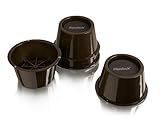
If you're storing a spare unit for the off-season, make sure it's bone dry inside first. A damp tank sealed in a box for six months is a mold incubator waiting to happen when you pull it back out in November.
The bigger picture: dust, allergens, and why a clean humidifier isn't the whole job
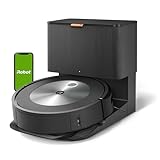
A meticulously cleaned humidifier still shares a room with dust, pet dander, and whatever mold spores are already floating in your home's air — humidity just changes how those particles behave. Keeping floors genuinely clean cuts down on dust that mixes with humid air and settles on nearby surfaces, including the humidifier itself, where it gets pulled back into the intake. A robot vacuum that runs on a regular schedule does more here than an upright you use twice a month, because consistency beats raw power.
Signs it's time to replace your humidifier
Even a well-maintained humidifier doesn't last forever, and there's a point where replacing it is genuinely cheaper and safer than continuing to clean around the problem. Watch for these signs:
- A musty smell that persists after a full vinegar clean and dry-out. Biofilm has likely worked into a seam you can't physically reach — usually inside the pump housing on ultrasonic models.
- Visible staining or pitting on the tank interior that scrubbing won't remove. Textured plastic gives bacteria more surface area to grip and stops responding to normal cleaning.
- A filter or wick that's discolored within days of replacement, not weeks. Usually a sign of contamination upstream, not just mineral buildup.
- Mist output that's noticeably weaker even after descaling. Buildup has likely reached components you can't access, like the transducer itself.
- The unit is more than 3–5 years old with heavy seasonal use. Plastic housings degrade and seals wear out; a new unit often costs less than babying an old one along.
None of this means humidifiers are more trouble than they're worth — dry winter air is genuinely uncomfortable, and the health case for keeping indoor humidity in range is real. It just means treating the machine like the small appliance it is, with a real cleaning schedule, not a plug-it-in-once-in-October gadget you ignore until March.
Frequently asked questions
How often should I actually clean my humidifier?
Empty and dry the tank daily, do a vinegar rinse every 2–3 days, and do a deeper scrub with a soft brush weekly. Replace filters or wicks monthly, or per your manufacturer's schedule. Skipping the daily empty-and-dry step is the single most common cause of mold buildup.
Which type of humidifier is least likely to grow mold — ultrasonic, evaporative, or steam?
Steam humidifiers boil the water, which kills bacteria and mold spores in the process, making them the safest from a pure hygiene standpoint. Evaporative units are close behind and don't risk over-humidifying a room. Ultrasonic units are the least forgiving of neglect because they mist untreated water directly into the air with no heat or filtration step.
Do I need to use distilled water in my humidifier?
It's not strictly required, but it significantly slows mineral buildup ("humidifier dust"), which creates a rougher surface that's easier for bacteria to grip. If you're using tap water, you'll need to clean and descale more often to keep pace with the mineral deposits.
Is bleach safe to clean a humidifier with?
Generally no, unless your specific model's manual explicitly approves it. Bleach can degrade plastic components over repeated use and leave residue that gets aerosolized into the air. White vinegar or citric acid solutions clean and disinfect effectively without that risk.
What humidity level should I actually aim for?
Between 30–50% indoor relative humidity. Above that range, moisture starts condensing on windows and exterior walls, which creates a separate mold risk in your home's structure, not just inside the humidifier itself. A built-in or standalone hygrometer takes the guesswork out of it.
Can a moldy humidifier actually make me sick?
Yes — running a contaminated humidifier can aerosolize mold spores and bacteria directly into the air you're breathing, which can trigger allergy symptoms or respiratory irritation, especially for people with asthma. This is the main reason cleaning cadence matters more than which brand you buy.