There's a specific kind of suitcase dread that only shows up in winter. Summer packing is easy — everything is thin, everything folds flat, and a week's worth of clothes takes up a third of the bag. Cold-weather packing is the opposite problem: sweaters that feel modest on your body somehow expand to the size of a throw pillow the second they're folded, and before you've added a single pair of shoes you're already sitting on the suitcase lid to get the zipper closed. The instinct is to just check a bigger bag. The better move is to rethink what "warm" actually requires you to carry, because most of what makes winter clothes bulky is redundancy, not warmth. You don't need five thick things. You need three or four thin things that stack, plus one or two pieces that punch above their weight. Here's how to actually get there.
- Top pickFURTALK Cashmere-Feel Shawl Wrap~$17
- Best budgetMaster Lock TSA Combination Lock~$10
- Worth the splurgeCashmere Boutique 70/30 Pashmina Scarf~$60
The layering principle: thin pieces beat thick ones
The single biggest mindset shift for cold-weather travel is that warmth is additive, not singular. A bulky wool sweater traps a certain amount of heat. Three thin layers — a base layer, a light insulating piece, and something wind-resistant — trap more heat than that sweater while taking up less combined suitcase space, because thin fabric compresses in a way that thick knits never will. This is the same logic backpackers and skiers have used for decades, and it works just as well for a long weekend in Chicago as it does for a hike. The trick is that the "extra" layer doesn't need to be technical gear. A packable shawl or wrap does the job of a heavy cardigan at a fraction of the volume, and it does double duty as a blanket on the plane, a scarf on a windy street corner, or coverage for a chilly restaurant that runs its AC year-round.
Once you accept that principle, packing for cold weather stops being about cramming in "enough warm stuff" and starts being about choosing pieces that layer cleanly with each other. One base layer, one packable mid layer, one coat you're already wearing on the plane. That's most of your warmth solved before you've even opened the suitcase.
The compression packing strategy that actually saves suitcase space
Folding a sweater neatly does almost nothing for the amount of room it takes up — wool and thick knits are full of trapped air, and folding doesn't push that air out. Compression is what actually shrinks bulky layers, and the easiest way to get consistent compression without wrestling a bag closed is a set of compression packing cubes. Unlike a regular packing cube, which just organizes, a compression cube has a second zipper that presses the air out once everything's inside, turning a stack of sweaters that used to eat a third of your suitcase into something closer to the size of a rolled towel. It also keeps your warm layers grouped and easy to find, instead of buried under everything else once you've dug through the bag looking for a scarf at 6am.
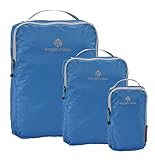
A quick trick worth knowing: pack your bulkiest item — usually a sweater or fleece — inside the compression cube first, and let thinner items like the shawl above wrap around it. You're using the compressible pieces to fill gaps around the one item that genuinely doesn't compress well, instead of wasting cube space on things that were already packing flat on their own.
Layering pieces that pack flat but actually keep you warm
Not every "packs small" claim holds up once you're standing outside in actual wind, so it's worth being specific about what belongs in this category. A wrap or scarf earns a suitcase spot when it's doing real thermal work, not just looking cute in a photo. Wool and cashmere-blend wraps trap heat far better than a thin synthetic scarf of the same size, and a slim pashmina layered under a coat adds a surprising amount of warmth around your neck and chest — two of the areas that lose heat fastest in cold wind.
If you're traveling with someone else, or you just want a backup layer that isn't precious, a multi-pack of budget pashminas solves a different problem: having a spare for the person who forgot theirs, a layer you don't mind getting rained on, or one to leave in the rental car for whoever's cold that day. Two of these take up less room combined than one bulky cardigan.
The accessories that do double duty
Cold weather doesn't just mean more clothing — it usually means heavier skincare too. Cold, dry air and indoor heating are rough on skin, so winter trips tend to come with thicker moisturizer, heavier lip balm, and sometimes a humidifying face mist that summer trips skip entirely. That's more stuff competing for the same carry-on space as your layers. The fix is the same one frequent flyers already use for liquids: decant the heavy jars and bottles into small leak-proof containers instead of carrying full-size packaging that's mostly just glass or plastic weight.
The other double-duty category is security. Cold-weather trips are one of the more common reasons people check a bag instead of carrying on — boots, a real coat, or ski gear just don't compress down to carry-on size no matter how good your cubes are. If you're checking a bag full of gear you'd actually miss, a TSA-approved lock is a five-dollar habit that protects it without slowing you down at a security recheck.
What to skip: the bulky items that aren't worth the space
Just as important as what to pack is what to leave behind, because cold-weather over-packing is rarely about forgetting something — it's about bringing three versions of the same warmth. A few things that almost never earn their suitcase space:
- Your heaviest winter coat, packed instead of worn. Wear the bulkiest thing on the plane. It's free warmth that costs zero suitcase space, and cabins run cold enough that you'll want it anyway.
- A second thick sweater "just in case." One thick sweater plus a packable layer underneath covers the same temperature range as two thick sweaters, for half the bulk.
- Full-size lotion, shampoo, and conditioner bottles. This is what the travel bottle set above solves — there's no reason to carry the weight and volume of packaging you're using an ounce of.
- Bulky snow boots you'll wear twice. Unless you're actually hiking in snow, a pair of insulated but low-profile boots does 90% of the job of true snow boots without eating a quarter of your suitcase.
- A backup scarf that isn't actually warm. Cute and warm aren't the same thing — check that a wrap has real wool, cashmere, or a heavy knit before it earns a spot, not just a pattern you like.
The general rule: if an item's whole job is "warmth," and you're already carrying something else that does that job, it's a candidate to leave home. Redundant warmth is the number one reason cold-weather suitcases balloon past what they need to be.
Putting it together: a suitcase that actually closes
A realistic cold-weather carry-on ends up looking like this: your bulkiest coat worn on the plane, one thick sweater and a couple of base layers compressed into packing cubes, a cashmere-feel wrap and a slim pashmina doing the flexible layering work that used to require a second cardigan, a toiletry bag carrying decanted winter skincare instead of full-size bottles, and — if you're checking a bag for boots or ski gear — a TSA lock keeping it secure. None of that requires a bigger suitcase. It requires swapping "one big warm thing" for "several small warm things that stack," which is exactly the shift that keeps a cold-weather trip from turning into a fight with your zipper.
Frequently asked questions
What's the fastest way to shrink bulky sweaters in a suitcase?
Compression packing cubes. Folding alone doesn't remove the trapped air inside thick knits, but a cube with a second compression zipper pushes that air out, shrinking a stack of sweaters down to a fraction of their folded size and keeping them grouped instead of scattered through the bag.
Is a cashmere-feel wrap actually warm, or just for looks?
A genuine wool or cashmere-blend wrap traps real heat, especially layered around the neck and chest — two areas that lose warmth fastest in cold wind. Check the fabric content before buying one for warmth specifically; some wraps are decorative synthetics that won't do much on a genuinely cold day.
Should I wear my coat on the plane or pack it?
Wear it. Your bulkiest coat is the single biggest space-saver in your whole packing strategy if you wear it instead of folding it into the suitcase, and cabins run cold enough that you'll likely want the extra layer anyway.
Do I need a TSA lock if I'm only carrying on?
No — a lock only matters if you're checking a bag, which cold-weather trips push people toward more often because boots, real coats, and ski gear don't compress down to carry-on size. If everything fits in a carry-on, skip the lock.
How many warm layers should I actually pack for a week-long cold trip?
Aim for one thick piece (a sweater or fleece), two or three thin base layers, and one or two packable wraps or scarves that can flex between "extra warmth" and "accessory." That combination covers a wider temperature range than three thick sweaters while taking up noticeably less room.
Why does winter skincare need its own packing strategy?
Cold, dry air and indoor heating both dehydrate skin more than summer conditions do, so winter routines tend to add heavier moisturizer, lip balm, or a humidifying mist. Decanting those into small TSA-compliant bottles instead of carrying full-size jars keeps that added routine from eating into carry-on space.
What's the one item most people over-pack for cold weather?
A second thick sweater "just in case." One thick layer plus a packable mid-layer underneath covers nearly the same temperature range as two thick sweaters, for a fraction of the suitcase space — the redundant sweater is almost always the first thing worth cutting.