Every renter eventually has the same realization: you cannot knock out a closet wall, you cannot install a Container Store-style built-in, and you are absolutely not drilling into a wall the landlord will charge you $200 to patch. What you can do is lift things up. Furniture risers are small cups or blocks that slide under the legs of a bed, couch, or dresser and raise the whole piece a few inches off the floor — instantly converting dead space into storage space. No tools, no permission slip, no security deposit at risk. It's one of the only storage upgrades that's both completely reversible and genuinely useful, which is a rare combination.
- Top pickSlipstick CB654 3" Furniture Risers (4-pack)~$20
- Best budgetUtopia Home Velvet Hangers (50-pack)~$18
- Worth the splurgeBayka Floating Shelves (Set of 3)~$36
The idea sounds almost too simple to matter, and that's exactly why people skip it. But three to eight extra inches under a queen bed is enough room for a dozen sweaters, an entire off-season wardrobe, or every holiday decoration you own. This is the honest guide to doing it right — what's actually safe to raise, what to put underneath, and which cheap versions will crack under your couch in month two.
The 3 inches that change your storage math
Start with the product that made this whole category mainstream: the Slipstick riser. It's a rubber-lined cup that the furniture leg drops into, with a non-skid base so the piece doesn't slide around on hardwood or tile. A 4-pack raises one item — a bed frame, a couch, a dresser — by 3 inches, which sounds modest until you do the math. A queen bed frame with 3 extra inches of clearance typically opens up somewhere between 8 and 14 cubic feet of usable under-bed space, depending on the frame style. That's enough for two to three large storage bins.
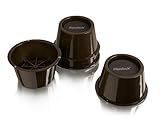
They work on nearly any leg style because the cup is wide and the rubber lining grips instead of forcing an exact fit. Set them down, lift the corner of the furniture with a friend (or a hydraulic jack if you're doing this solo and cautious), and settle the leg into the cup. That's the entire installation. No drilling, no adhesive, no marks left on the floor when you move out.
Weight ratings and safety: read the fine print before you stack anything
The number that matters is the total weight rating for the full set, not per riser — and it needs to cover the furniture itself plus everything sitting on or in it. A queen mattress and frame alone can weigh 150–250 lbs before anyone gets in the bed. Add two adults and the number climbs into the 500–600 lb range fast. This is why a cheap set rated for "200 lbs total" is a problem waiting to happen; it might hold up for a week and then crack the first night someone sits on the edge of the bed to put on shoes.
A few safety basics worth actually following: check that all four (or more) legs sit flat and level in their risers before you trust the setup — a wobble means one riser is taking more load than the others. Don't mix riser heights on the same piece of furniture; even a quarter-inch mismatch creates a rocking motion that stresses the weakest leg over time. And recheck the setup after the first few days of normal use, since furniture legs can settle slightly into a new cup as the rubber compresses.
Which furniture is actually safe to raise
Beds and dressers are the easiest yes. They have four sturdy legs (or a solid base), the weight is distributed predictably, and the extra clearance is exactly where you want more storage anyway. Sofas are usually fine too, as long as the legs are solid wood or metal and not the thin, screw-in plastic pegs that come on some budget frames — those can shear off under lateral pressure from risers.
Where to be more careful: anything with a narrow or tapered leg, like mid-century-style furniture with angled wooden legs, since the riser cup needs a flat contact surface to grip properly. Skip risers entirely on anything with wheels or casters already built in, on glass-topped furniture (the added height changes the center of gravity more than people expect), and on any piece that already feels unstable at its current height. If a couch already wobbles a little on your uneven apartment floor, adding 3 inches of lift on top of that wobble is not the fix — leveling it first is.
What actually goes in the space you just created
Raising the bed is only half the project. The other half is making the new space usable instead of just a place where loose stuff migrates and disappears. Vacuum storage bags are the highest-leverage pairing here, because they solve the actual problem with under-bed storage: bulky items like comforters, winter coats, and out-of-season bedding eat up all the clearance you just created unless you compress them first.
A compressed comforter that used to take up an entire under-bed bin can shrink down to the thickness of a throw pillow. That means a bed lifted 3 inches with risers can realistically fit a full off-season wardrobe, spare bedding, and holiday decorations, in bags that slide in and out on their own without you needing a step stool or a flashlight to find anything.
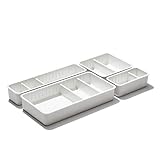
Not everything under there should be loose or bagged, though. Odds and ends — extra chargers, tools, small hardware, the stuff that otherwise ends up as a junk pile under the bed frame — do better in a rigid container with actual compartments than in a bin where they slide around every time you pull it out.
The floor-protection bonus nobody mentions
Renters lose more security deposit money to floor scratches than almost anything else, and heavy furniture is a repeat offender — a dresser or couch that gets scooted even a few inches during cleaning or rearranging can leave a visible gouge in hardwood or LVP flooring. Risers with a rubber or felt-lined cup base act as a permanent floor protector, the same way felt pads do, except they're doing double duty by also creating storage clearance. The furniture leg sits inside the cup instead of directly on the floor, so any future scooting drags the riser's soft base across the surface instead of a bare wood or metal leg.
This matters more than it sounds like on rental inspections. A landlord walking through with a move-out checklist is looking at floor condition specifically, and "there are no scratches under any of my heavy furniture" is a genuinely easy box to check when the legs have never touched the floor directly in the first place.
What to skip: the versions that fail exactly when you need them
Not every riser is worth the risk. The very cheap plastic risers sold in generic multi-packs — the hollow, hard plastic kind without any rubber lining — are the ones to avoid. They crack under sustained weight, especially in cold apartments where plastic gets brittle, and a cracked riser under one corner of a bed frame is how you end up with a lopsided mattress and a 2am scramble to figure out what just happened. If a listing doesn't specify a weight rating for the full set, assume it's low and skip it.
The other thing to skip: stacking books, wood blocks, or bricks under furniture legs as a free DIY riser. It's tempting because it costs nothing, but stacked, unsecured objects have no lateral grip — a nudge from vacuuming or normal foot traffic can shift the stack, and an uneven stack under one leg puts all the weight on a small, unstable contact point instead of distributing it across a wide, rubber-lined base. It also does nothing for the floor-protection benefit, since a stack of hardback books can scratch a floor just as easily as a bare furniture leg. The $20 you'd save isn't worth a cracked leg or a gouged floor.
Can't lift it? The alternate storage angle for renters
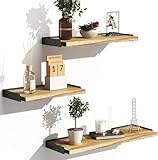
Risers work best on furniture with real legs. If you've got a platform bed with a solid base, a built-in sectional, or anything else that simply can't be raised, the under-furniture trick isn't available to you — but the same renter-friendly, no-drilling logic applies to going vertical instead. Floating shelves with adhesive or tension-mounted brackets add real storage to a wall without a single hole, which is the closet-and-wall equivalent of what risers do for the floor.
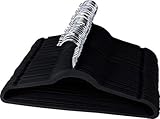
And if the real bottleneck is closet space rather than floor space, the single highest-leverage swap costs less than a set of risers: replace bulky plastic or wire hangers with thin velvet ones. Clothes stop sliding off, and because the hangers are a fraction of the width, most closets fit close to twice as much on the same rod without adding a single inch of physical space.
Between risers under the bed, vacuum bags and bins inside that new clearance, and vertical storage on the walls and closet rod, a renter can pick up a genuinely meaningful amount of storage in a single weekend without a landlord ever knowing anything changed.
Frequently asked questions
Are furniture risers actually safe for a bed with two people sleeping in it?
Yes, as long as you buy a set rated for the real combined weight — mattress, frame, and occupants, not just the empty frame. A quality set like the Slipstick 4-pack is rated for 1,300 lbs total, which comfortably covers a queen frame, mattress, and two adults. The failures people hear about almost always trace back to cheap, unrated plastic risers, not the concept itself.
Will furniture risers damage hardwood or laminate floors?
No — done right, they protect the floor rather than damage it. Risers with a rubber or felt-lined cup base sit between the furniture leg and the floor, so scooting or shifting drags the soft riser base across the surface instead of a bare wood or metal leg. The risk runs the other way: skipping risers and letting heavy furniture legs sit directly on hardwood is what leads to scratches and gouges over time.
How much storage space do risers actually create under a bed?
A 3-inch riser typically opens up somewhere between 8 and 14 cubic feet under a queen bed frame, depending on the frame's existing clearance. Paired with vacuum storage bags to compress bulky items like comforters and off-season clothing, that space can realistically hold a full wardrobe swap or a season's worth of holiday decorations.
Can I use furniture risers on a couch with wheels or casters?
No — skip risers on any furniture that already has wheels or built-in casters. The riser cup is designed to hold a stationary leg in place, not a rolling wheel, and the combination creates an unstable, wobbly base. Risers work best on solid wood, metal, or plastic legs that don't already move on their own.
Do all four legs need the exact same riser height?
Yes. Mixing riser heights on the same piece of furniture — even by a small amount — creates an uneven base that rocks under normal use and puts extra stress on whichever leg is shortest. Buy risers in matched sets and use all of them on the same piece, rather than mixing leftover risers from different packs.
Is it cheaper to just stack books or wood blocks instead of buying risers?
It's cheaper up front, but not actually safer or more stable. Stacked, unsecured objects have no lateral grip, so a bump from vacuuming or normal foot traffic can shift the stack and put uneven weight on one point of the furniture leg. A $20 rubber-lined riser set spreads the weight across a wide, non-slip base and protects the floor at the same time — something a stack of hardbacks can't do.