There is a very specific kind of vacation pain that has nothing to do with jet lag: it's 4pm on day two of a European city trip, your phone says you've walked 9.4 miles, and your feet feel like someone has been standing on them with a broom handle. Most sandal advice online is written for a patio, not a pilgrimage. This is not that article. This is about the sandals that survive a full day of actual walking — cobblestones, museum floors, theme park pavement, the mile from the parking lot to the trailhead — without turning your feet into the thing you complain about for the rest of the trip.
The real test isn't how they look in the airport photo
A sandal that looks great for the first twenty minutes and falls apart by hour three usually has one of three problems: a flat footbed with zero arch support, a strap system that lets your foot slide forward and rub, or a sole so thin that eight hours of pavement translates directly into your joints. Real walking support comes down to a short list of things that have nothing to do with trend cycles — a contoured footbed that holds your arch instead of leaving it to collapse, a heel cup or back strap that keeps your foot anchored so it isn't sliding half an inch with every step, and enough sole cushioning to absorb concrete and cobblestone instead of passing the shock straight up your legs. Skip any one of those three and you're budgeting for blisters by lunch.
The sandals below pass that test. They aren't the cutest options at the store, and that's sort of the point — they were built by companies that care more about your metatarsals than your Instagram grid, and it turns out that's exactly what a 10-mile vacation day requires.
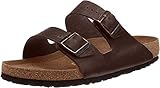
The one that's basically orthopedic: Birkenstock Arizona
There's a reason podiatrists actually recommend these instead of just tolerating them. The Arizona's cork-and-latex footbed is molded with a genuine arch, a deep heel cup, and a raised toe bar that encourages your foot to grip naturally instead of clenching to keep the sandal on — which is exactly the kind of tiny, repetitive strain that turns into foot fatigue on a long day. The footbed also does something most sandals never bother with: it actually molds to the shape of your foot over weeks of wear, so the fit gets more supportive over time instead of breaking down. Buy these for a trip that involves real distance, not the day you leave.
For cobblestones, wet ferry docks, and uneven ground: Teva Original Universal
Birkenstocks are excellent on flat pavement and museum floors. They are less excellent on wet stone stairs in Santorini or a gravel path at a national park overlook. That's where Tevas take over. The Original Universal has four independently adjustable straps that cinch your foot down so there's no forward slide on a downhill cobblestone street, a genuinely grippy rubber outsole that handles wet surfaces without the ice-skating feeling, and a contoured footbed underneath all of it — this is not a flimsy flip-flop with straps bolted on, it's built the way a hiking sandal is built. If your trip involves any terrain rougher than sidewalk, this is the one to pack.
What to skip: the sandals that look perfect in the mirror and wreck you by lunch
There is a whole category of sandal designed entirely to photograph well, and none of it holds up to actual walking. Flat, thin-soled thong sandals with a single strap across the toes look effortless and offer zero arch support — your foot spends all day compensating, and that compensation shows up as heel pain by dinner. Delicate strappy "going out" sandals with skinny straps look elegant standing still and cut into the top of your foot the moment you're moving for more than twenty minutes; the straps that felt fine in the store stretch, shift, and start rubbing exactly where a blister forms. And anything with even a small wedge or kitten heel is a mistake for a walking day — it changes your gait, puts extra load on the ball of your foot, and turns ankle rolls on uneven ground from unlikely into inevitable. Save all three for the dinner reservation, not the day that gets you there.
The other names worth knowing before you shop
Birkenstock and Teva cover most trips, but a few other brands built their entire reputation on the same idea — real support first, style second — and it's worth knowing what each one actually does well so you can match it to your trip. Chaco uses a single continuous strap system (their "Z-strap" design) that you can re-cinch throughout the day as your feet swell from heat and mileage, which matters more than people expect on a hot theme-park day. Vionic builds its sandals on an orthotic-grade last designed with input from podiatrists, so it looks like a normal sandal but functions closer to an orthotic insert — a smart pick if you already deal with plantar fasciitis or chronic heel pain. OluKai specializes in a drop-in heel design, so the back of the sandal collapses down like a slipper for quick on-off but still has real arch support once it's on — good for beach-to-street days where you're in and out of sandals constantly. Ecco makes leather-strapped sandals with cushioned midsoles that are comfortable almost immediately, without the multi-week break-in that cork requires, which is worth knowing if your trip is two weeks away and you haven't bought anything yet.
Break them in before the trip, and pack a backup pair
The single biggest mistake people make with supportive sandals is buying them the week of the trip and expecting day-one comfort. Cork footbeds especially need time — plan on two weeks of short wears around the house, then errands, then a full day, before you trust them for eight-plus hours on vacation. Wear the socks-with-sandals combination indoors if the straps feel stiff; it speeds up the break-in without any visible cost since nobody's judging your living room outfit. If you notice a hot spot developing anywhere during break-in — usually the inside of the big toe or the back of the heel — cover it with a blister pad or moleskin before it becomes a blister, not after. A five-minute fix at home beats limping through a museum looking for a pharmacy that sells Band-Aids in a language you don't speak.
Once you're actually packing, bring two pairs, not one. Wearing the exact same sandal for ten hours a day, every day, means the exact same spots get rubbed the exact same way — that's how a minor hot spot on day one becomes a real blister by day four. Rotating between two supportive pairs, even just alternating days, changes where the pressure lands and gives your feet a genuine break. Pack one structured walking sandal for the long mileage days and one easy slide or flip-flop for evenings and pool time, when your feet have earned a break from straps entirely. If your trip includes any water — beach days, boat trips, a rainy forecast — make sure at least one pair can get wet and dry out fast, because nothing ruins a good sandal faster than being worn wet and put away wet, over and over.
What actually makes a sandal good for walking long distances?
Three things matter more than brand name: a contoured footbed with real arch support, a strap or heel-cup system that keeps your foot from sliding forward inside the sandal, and enough sole cushioning to absorb pavement impact. Flat, flexible footbeds and thin single straps fail all three, which is why they feel fine standing still and painful after a few miles.
Are Birkenstocks really good for 10 miles of walking?
Yes, on relatively flat, paved terrain — city streets, museum floors, airport terminals, theme parks. The contoured cork footbed and deep heel cup provide genuine arch support that most sandals skip entirely. They're less ideal for hiking trails, wet rocks, or steep uneven terrain, where a grippier sandal like the Teva Original Universal is the better call.
How long is the Birkenstock break-in period, and can I skip it?
Plan on about two weeks of gradually longer wears. You can't really skip it — the cork footbed needs that time to mold to your specific foot shape, and skipping straight to a full walking day in brand-new Birkenstocks is a common way to end a trip with blisters on the top of the foot where the strap sits.
What's the best sandal for plantar fasciitis or chronic heel pain?
Vionic is specifically built for this — the sandals sit on an orthotic-grade last designed with podiatrist input, so the arch support and heel cushioning are more aggressive than a standard sandal. Birkenstock's Arizona is a solid second option if you want something more universally available, since its structured footbed still provides real arch and heel support.
Should I bring two pairs of shoes on a walking-heavy trip?
Yes, ideally. Wearing one pair for ten-plus hours a day, every day, concentrates pressure on the exact same spots and makes blisters more likely by the back half of the trip. A second pair — even just a simple slide for evenings — gives your feet a break and spreads the wear around.
Are flip-flops ever okay for a full day of sightseeing?
Not the thin foam kind. A flip-flop with a flat, flexible sole offers essentially no arch support, and the toe-post design does nothing to stop your foot from sliding forward with every step. Save flip-flops for the pool deck or a five-minute walk to the hotel breakfast, not a museum-to-market day.