Neither day wins everywhere. Black Friday tends to be the better bet for big-ticket tech, TVs, and doorbusters that sell out, while Cyber Monday is often the smarter day for online-only retailers, software, and anything where the stock is effectively unlimited. The honest answer, though, is that the best price for most items shows up somewhere in the whole stretch from early November through the first week of December, and the day on the calendar matters less than whether you were watching the price beforehand.
This is a timing guide, not a prediction. Retailers change their calendars every year, and we are not going to hand you made-up percentages. What we can do is explain how each category usually behaves, where the two days genuinely differ, and which “deals” are mostly theater.
Start tracking prices before the rush
Capital One Shopping is a free browser extension. It tests coupon codes at checkout automatically, compares the same item across other retailers, and lets you add products to a watchlist so you get alerted when the price really moves. Install it now and let it build your price history while the sales warm up.
Add Capital One Shopping free →Why the two days are not the same thing
Black Friday started as a physical-store event, and it still carries that DNA: limited quantities, early-morning promotions, and a handful of loss-leader items designed to get you through the door (or onto the site) so you buy other things too. Those doorbusters are real, but they are usually specific models, often built or stocked for the sale, in small numbers.
Cyber Monday grew up online, and it behaves like it. Inventory is broader, the promotions lean toward whole categories instead of single SKUs, and the retailers who only exist online treat it as their own big day. It also tends to be the day when stores that ran a Black Friday sale quietly extend, refresh, or re-run offers on things that did not sell.
Here is the part most deal roundups skip: the two days have blurred into one long event. Many retailers now start discounts well before Thanksgiving and run them straight through the following week. So the useful question is not “which day?” but “which category, and how long can I wait without risking a sellout?”
The category-by-category timing guide
Treat the table below as a rule of thumb for where to point your attention, not a guarantee. Your specific item, your specific retailer, and this year’s specific calendar can all break the pattern.
| Category | Usually strongest | Why | Risk of waiting |
|---|---|---|---|
| TVs and big electronics | Black Friday (and the days before) | Doorbuster models are built for this window | High: the cheap model can sell out |
| Headphones, speakers, small gadgets | Either, often both | Heavy competition between brands and retailers | Low to medium |
| Laptops and tablets | Black Friday for entry models, Cyber Monday for the rest | Last-gen stock gets cleared; configurations vary widely | Medium |
| Software and subscriptions | Cyber Monday | Digital goods have no stock limit, so promos run longer | Very low |
| Toys and games | Black Friday for hot items, later for the rest | Popular toys sell out; leftovers get marked down into December | High for hot items, low for the rest |
| Clothing and fashion | Both, with another round in December | Sitewide percent-off events repeat all season | Low, unless you need a specific size |
| Kitchen and small appliances | Black Friday week | Retailers push these as gift items | Medium |
| Furniture and mattresses | Cyber Monday, then holiday weekends | Online sellers run extended events; this category discounts often year-round | Low |
| Travel | Cyber Monday week for some, but compare against your normal booking window | Airlines and hotels run their own promos on their own schedules | Varies a lot |
| Beauty and personal care | Either; gift sets peak early | Brands run sitewide codes and holiday kits | Low to medium |
Two patterns are worth remembering. First, anything with a physical-stock constraint and a famous price tag (a TV, a game console bundle, the toy everyone is asking for) rewards acting on Black Friday or earlier. Second, anything digital or made-to-order rewards patience, because the seller can extend the promotion without running out of anything.
Where Black Friday actually wins
Doorbusters. If a retailer advertises a specific model at a specific low price, that is a real offer on a real, limited quantity. It is also frequently a model made for the event, with fewer features than the one you would buy at full price. Check the model number against the retailer’s regular lineup before you get excited.
Premium electronics with real competition. Flagship headphones are a good example. When several brands are chasing the same buyer, you often see price cuts that start before the holiday itself. If you have had your eye on a premium pair, this is the stretch to watch.
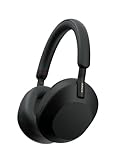
Gift-sized impulse buys. Small gadgets, travel accessories, and stocking stuffers get promoted hard across the whole week. These are low risk to wait on because the stock is deep and the discounts repeat.
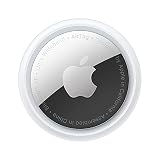
Where Cyber Monday actually wins
Online-first retailers and brands. Companies that sell mostly or only on their own websites treat Cyber Monday as a main event, and many run their best sitewide offer then. If you are shopping for something from a direct-to-consumer brand, there is a good chance the Monday offer matches or beats the Friday one.
Software, apps, and subscriptions. No shelf, no sellout. These promotions often run through the following days, so there is no reason to panic-buy on Friday.
Second chances. Cyber Monday is also the day to revisit something you passed on over the weekend. Items that did not sell on Friday sometimes come back with a fresh promotion, and categories that were out of stock may be replenished.
Furniture and big home purchases. These categories discount frequently throughout the year, so the holiday sale is more of a confirmation than a once-a-year chance. If you can wait for the extended online events, you usually lose nothing.
What to skip
The biggest savings you can make in November come from the purchases you do not make. A short list of things to be skeptical about:
- “Was” prices that never existed. A crossed-out price tells you what the retailer wants you to compare against, not what the item actually sold for. Check the price history before you trust a “percent off.”
- Doorbuster models you do not need. A low price on a stripped-down version is not a deal if you would have bought the better one.
- Gift cards with strings. A “free” bonus card with a purchase is only worth it if you were going to shop at that store anyway, and if the terms are simple.
- Extended warranties added at the register. Rarely worth it on small purchases, and easy to add by reflex when you are tired and rushed.
- Anything you cannot return. Read the holiday return window before you buy. Some retailers extend it; others do not.
- Things you already planned to buy cheaper later. Seasonal items such as winter coats and holiday decor often get another markdown closer to the end of the season.
A simple plan that works for any category
You do not need to refresh a dozen tabs. Do this instead:
- Make a short list now. Write down the five or six things you actually want, with the model or size spelled out. A list protects you from impulse buys.
- Start watching prices today. Add each item to a watchlist so the alerts do the work, and so you can see the price move before the sale begins.
- Decide your yes price. For each item, pick the number at which you will buy without further thought. If the sale hits it, buy. If not, move on.
- Rank by sellout risk. Anything scarce goes first. Anything digital or deep in stock can wait for the second wave.
- Let checkout do the last step. Before you pay, let an extension test coupon codes and check other retailers for the same item. It takes seconds.
- Check the return policy and the delivery date. A great price on a gift that arrives after the holiday is not a great price.
That is the whole system. It works for a TV, a pair of headphones, or a sweater, and it is much calmer than staying up for midnight sales.
Let the watchlist do the waiting
Add the free Capital One Shopping extension, put your short list on the watchlist, and let it flag real price drops while you go live your life. At checkout it tests coupons and compares other retailers automatically.
Get the free extension →Frequently asked questions
Is Black Friday or Cyber Monday better for deals?
It depends on the category. Black Friday often has the edge on limited-quantity items like TVs and doorbusters, while Cyber Monday is usually strong for online-first retailers, software, and anything with deep stock. Many retailers now run both as one long event, so the best price can land on either day or around them.
Should I wait until Cyber Monday to buy?
Wait if the item is deep in stock and a digital or online-first product. Do not wait if it is a scarce, popular item, since the discounted version may sell out before Monday. Setting a price alert lets you decide with data instead of a guess.
Do prices drop even lower in December?
Sometimes, especially for seasonal goods, leftover toys, and clothing, which tend to see further markdowns. But the risk is that your size, color, or model is gone by then. For gifts you need before the holidays, shipping dates matter as much as price.
How can I tell if a Black Friday deal is real?
Look at the price history instead of the crossed-out list price. A price tracker or watchlist shows what the item has actually cost over the past weeks. Also check the exact model number, because some sale models are versions made for the event.
Are in-store Black Friday deals better than online ones?
Not necessarily. In-store doorbusters are usually limited in quantity, and the same retailers frequently run matching or similar offers online. Compare before you leave the house, and remember that online shopping saves the time and the crowds.
Does Capital One Shopping cost anything?
No. It is a free browser extension with automatic coupon testing at checkout, price comparison across retailers, and a watchlist for price-drop alerts. You do not need to be a Capital One cardholder to use it.
When should I start my holiday shopping to get the best prices?
Start tracking in early November. That gives you time to see what an item normally costs, so when the sales begin you can recognize a real drop. The stretch from the week before Thanksgiving through the first week of December is the busiest window for deals.