Affiliate disclosure: This article contains affiliate links. If you buy through them, we earn a small commission at no extra cost to you. We only recommend things we'd actually use. Full disclosure · How we pick
- Top pickKONG Classic Dog Toy~$13
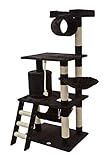
- Worth the splurgeGo Pet Club Cat Tree 62in~$80
I didn't expect to feel strongly about lick mats. They're silicone mats with little ridges and bumps. You put peanut butter on them. Your dog or cat licks them. And yet — after watching my dog settle into a full zen trance while I showered, ran the vacuum, and answered emails without a single bark — I became a convert. Lick mats are one of those pet products that sound like a gimmick but actually deliver something real: mental engagement, anxiety reduction, and about 20 minutes of real-world quiet.
Here's everything you need to know before buying one (or five, which is where I ended up).
What a lick mat actually does — and why it works
The short answer is: it turns eating into a job. Dogs and cats are wired to work for food — foraging, sniffing, licking — and when we hand them a bowl, we skip all of that. Lick mats restore some of that mental labor. The repetitive licking motion also releases endorphins and has a genuine calming effect, similar to why humans find rhythmic activities like knitting or walking meditative. Veterinary behaviorists have been recommending slow feeders and enrichment tools for anxious pets for years. Lick mats are just the most accessible version of that idea.
In practice, that means: bath time without a fight, grooming without escaping, fireworks without hiding, vet visits with less trembling, and a dog who actually settles down while you work from home. The use cases stack up fast.
The best lick mats worth buying
Most lick mats are small, silicone, and cheap. The differentiators are texture complexity (more surface area = more licking = longer engagement), whether the mat has suction cups (for bathtub mounting, which is the killer feature), and food-grade silicone quality. These are the ones that consistently earn their counter space.
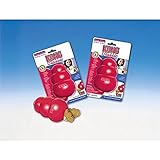
The KONG is the gateway drug. Once you understand why your dog goes quiet for 20 minutes with a stuffed Kong, you immediately understand why a lick mat — which provides the same licking-for-food mechanism but in mat form — is worth adding to the rotation. The two work beautifully together: mat for immediate, flat surfaces (yogurt, broth, pumpkin puree), Kong for longer-lasting frozen treats.
For dedicated lick mats, the market has expanded significantly. Look for these features:
- Suction cup backing — mounts to shower walls, tile, or smooth floors. Game-changing for bath time.
- Complex texture patterns — more nooks and crannies = longer lick time per serving.
- Dishwasher safe — you will be washing this daily. Top-rack dishwasher safe is non-negotiable.
- Food-grade silicone — avoid cheap plastic alternatives that can leach chemicals into food.
What to put on a lick mat (and what to skip)
The topping is where lick mats get interesting. The best options are things that spread thin, dry slowly, and have a smell dogs and cats find compelling. Ranked by effectiveness and mess level:
The classics:
- Peanut butter (unsalted, xylitol-free) — the reliable standby. Goes on thick, lasts 10–15 minutes. Check the label for xylitol, which is toxic to dogs.
- Canned pumpkin puree (plain) — not pie filling. Pure pumpkin is a digestive superfood for dogs, spreads beautifully, and most dogs love it. Low calorie, high fiber.
- Plain Greek yogurt — probiotics, protein, spreads thin for a quick session. Cats especially love it.
- Frozen broth — pour low-sodium chicken or beef broth over the mat, freeze flat for 20 minutes. Creates a long-form frozen lick session. The OXO POP containers below are perfect for storing individual portions.
- Cream cheese (plain) — thick, high-value, good for hiding medication. Use sparingly — it's calorie-dense.
What to skip: Anything with xylitol (a common sugar alcohol in many peanut butters, yogurts, and low-sugar products — always check), grapes or raisins, macadamia nuts, onion powder, or garlic. Also avoid anything your dog or cat has shown intolerance to, and rotate toppings to prevent boredom.

The prep-ahead hack: on Sunday, make 5–7 small portions in silicone ice cube trays or the OXO containers. Pumpkin mixed with broth, peanut butter with banana, yogurt with blueberries. Store in the freezer. On any given morning, pull one out, smear it on the mat, hand to dog, go about your life. This is the system that makes lick mats sustainable rather than a "sometimes" thing.
The suction cup upgrade: bath time without drama
If you have a dog who hates baths — and statistically, you do — the suction cup lick mat is the single best intervention available. Stick it to the shower wall at nose height, apply peanut butter, and what was once a rodeo becomes a calm 10-minute process. The dog is so focused on licking that they either don't notice or don't care about the water. Multiple groomers have reported that anxious dogs become completely manageable within 2–3 sessions of mat-assisted bathing.
The key is the suction. Mats without strong suction cups either fall off mid-bath (ruined session, stressed dog) or have to be held in place, defeating the purpose. When shopping, specifically look for "bath mat" versions with reinforced suction cups rated for wet tile.
Lick mats vs. puzzle feeders: what to know
Both are enrichment tools. They serve slightly different purposes:
- Lick mats are better for: anxiety reduction, calm soothing sessions, bathing/grooming, any situation where you want a passive, low-movement engagement. The licking mechanism is specifically calming.
- Puzzle feeders are better for: higher-energy dogs who need more cognitive challenge, kibble-based feeding, dogs who solve lick mats in under 3 minutes. They require physical manipulation (sliding, lifting, pushing) rather than licking.
Most households benefit from both. A lick mat in the morning to set a calm tone, a puzzle feeder at dinner for mental stimulation. If you're starting from zero, start with a lick mat — they're cheaper, easier to clean, and work for a wider range of ages and energy levels (including senior dogs and cats).
One thing puzzle feeders and lick mats share: they both become easier over time. Some dogs figure out a pattern and drain a mat in 2 minutes by the third session. The solution is rotation — 2–3 different mats with different texture patterns keep the experience novel. The Instant Pot below is an adjacent recommendation: homemade bone broth takes 2 hours in one and provides weeks of frozen mat topping at pennies per serving.

What to skip (and the red flags to look for)
The lick mat category has a lot of cheap, questionable products. Here's the skip list:
Skip: unmarked silicone with no safety certification. "Food-grade silicone" is a claim anyone can make. Look for mats that specify BPA-free, phthalate-free, and ideally FDA-compliant or LFGB-certified (the European food safety standard that's stricter than FDA). Bright neon colors sometimes indicate dyes that aren't food-safe.
Skip: mats with very fine, hair-thin texture details. These accumulate food residue in places your dishwasher can't reach, which leads to mold. You want grooves that are at least 2–3mm wide so they can be properly cleaned.
Skip: mats marketed primarily for "calming" with no actual texture complexity. Flat mats with minimal ridges are glorified placemats. The point is the surface area — the more nooks and crevices, the longer and harder the dog has to work to clean it.
Skip: any mat that isn't dishwasher safe. You're going to hand-wash exactly twice before you give up. Top-rack dishwasher safe is the baseline requirement for a product you'll use daily.
The cat tree below is an adjacent enrichment pick if you're shopping for cats — a lick mat is great for cats during nail trims and vet prep, but cats also need vertical enrichment that no mat can provide.
One more practical item worth pairing with lick mats: if you're freezing mat portions in advance, flat storage matters. The vacuum storage bags below are overkill for broth cubes, but the OXO containers above are perfect — and a clean, organized freezer section for pet prep items makes the whole system more sustainable.
Frequently asked questions
Are lick mats safe for dogs and cats?
Yes, when made from food-grade silicone (BPA-free, phthalate-free). The activity itself is completely safe and beneficial. The main risk is the topping — always verify your ingredients are pet-safe. Xylitol, found in many peanut butters and yogurts, is toxic to dogs. Check every label.
How long does a lick mat session last?
Typically 5–20 minutes depending on the topping consistency, texture complexity of the mat, and your pet's enthusiasm level. Thicker spreads like peanut butter last longer; thin liquids like plain broth go faster. Freezing the mat before use extends sessions significantly — a frozen mat can last 30–45 minutes.
Can I use a lick mat every day?
Absolutely — in fact, daily use is where the anxiety-reduction benefits really compound. Account for the calories in whatever topping you're using. If your dog is getting peanut butter on a mat daily, reduce their meal portions slightly. Pumpkin puree and low-sodium broth are the best low-calorie options for frequent use.
Do lick mats work for cats?
Yes, particularly for grooming and nail trim scenarios where you need the cat distracted and stationary. Cats tend to be more selective about toppings — plain tuna water, chicken broth, or plain yogurt work well. Many cats take a few sessions to understand what the mat is before fully committing.
How do I clean a lick mat properly?
Rinse immediately after use — dried food in silicone grooves is significantly harder to remove. Most food-grade silicone lick mats are dishwasher safe on the top rack. For stubborn residue, a soft brush (an old toothbrush works perfectly) with dish soap covers anything the dishwasher misses. Never use abrasive scrubbers, which can damage the silicone surface.
What's the best lick mat for bath time specifically?
Any mat with strong suction cups rated for wet tile. Look specifically for mats marketed as "bath lick mats" or "shower lick mats" with reinforced suction. Apply a thick spread (peanut butter, cream cheese) rather than thin liquids that run in water. Stick at nose height on the shower wall, not lower where the stream hits it directly.
My dog finishes the mat in 2 minutes. What do I do?
Freeze it. A pre-loaded frozen mat extends sessions 3–5x. Also try thicker spreads (less liquid, more paste), more complex texture patterns, or spreading in thinner layers with more surface coverage. Rotating between 2–3 mats with different textures helps prevent dogs from optimizing their technique too quickly.