Somewhere around the fourth trip to the sink before noon — coffee mugs, kid's cereal bowl, hands washed after the bathroom, hands washed after touching raw chicken — regular lotion just stops working. Not eventually. Immediately. You rub it in, it disappears in ninety seconds, and your skin is back to feeling like paper by the time you've dried your hands on the towel. This isn't a "you're using the wrong lotion" problem in the usual sense. It's a math problem. Water and dish soap strip your skin's barrier faster than a light, water-based lotion can rebuild it, and if you wash your hands twenty-plus times a day — which is normal for parents, nurses, cooks, and anyone doing dishes by hand — you need something built to survive that math, not fight it.
- Top pickO'Keeffe's Working Hands Hand Cream, 3.4 oz Jar~$8
- Best budgetNeutrogena Norwegian Formula Hand Cream, 2 oz~$6
- Worth the splurgeCeraVe Healing Ointment, 12 oz~$16
Why regular lotion fails against constant water exposure
Most drugstore hand lotion is mostly water — often 70-80% water, emollients second, a thin occlusive layer last. It feels great going on, light and fast-absorbing, which is exactly why it's the wrong tool for hands about to go back under a faucet in twenty minutes. A water-based lotion needs time to sink in and form even a modest barrier, and dishwashing doesn't give it that time.
Dish soap makes it worse on purpose. Surfactants break down grease and don't distinguish between the fat on a dinner plate and the lipid barrier on your hands. Hot water strips oils even faster than cold. By the third or fourth wash, most people are working with a barrier that's already compromised, and a thin lotion applied on top just sits there uselessly until the next wash removes it. What actually works is something thick enough to physically block water loss for hours, not minutes — a different ingredient category than what's in a pump bottle of scented lotion.
The occlusive ingredients that actually work: petrolatum, lanolin, and shea
Occlusives are the ingredients doing the actual work when your hands are in and out of water all day. Humectants like glycerin pull moisture toward the skin, which helps, but they don't stop that moisture from leaving again the moment you touch a faucet. Occlusives form a physical film on top of skin that blocks water from evaporating — and blocks dish soap and hot water from getting through as easily on the next wash.
Petrolatum (petroleum jelly) is the gold standard. It reduces water loss through skin by more than 98% in clinical measurements, doesn't sensitize skin, and is genuinely difficult to wash off with plain water — you basically need soap to remove it, which tells you exactly how well it survives a dish-soap-heavy day.
Lanolin, derived from sheep's wool, is a close second — more slip and a softer feel than straight petrolatum, with a mild humectant quality too, which is why it shows up in nursing creams and lip balms for the same reason. A small number of people with wool allergies react to it, but for most hands it's an excellent middle ground.
Shea butter is more emollient than strictly occlusive — it fills in rough, cracked texture — but good shea also forms a decent surface barrier, and it's the ingredient most likely to make a thick cream feel indulgent rather than clinical. The best hand creams combine all three: occlusive to block water loss, emollient to smooth texture, humectant to actually add moisture rather than just sealing in what's already dry.
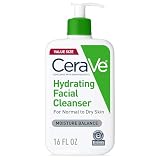
Thick balm vs. light cream: which one your day actually needs
Not every job needs the same texture, and using the wrong one at the wrong time is where most people go wrong. A jar-style occlusive balm — thick, almost waxy, slow to absorb — is the right tool right before or after anything involving a lot of water: dinner dishes, a long shift of handwashing, gardening, cleaning. It sits on top of skin and works even while wet hands are in motion. What it's not great for is the middle of a workday when you need to grip a phone or handle paper without leaving a greasy film.
For those in-between moments, a lighter cream — still occlusive, but formulated to absorb faster and leave less residue — is the better call. This is where a dedicated hand cream earns its keep over a balm or a body lotion: enough occlusive content to actually help, but a texture that doesn't leave your keyboard greasy twenty minutes later. The strategy most people land on: light cream during the day between washes, something heavier before bed or before a big dishwashing session.
The nighttime glove trick that fixes what daytime lotion can't
If you do nothing else from this article, do this: at night, after your last handwashing, apply a thick layer of an occlusive balm — more than you'd ever wear during the day, enough that your hands feel slightly greasy — and put on a pair of thin cotton gloves before bed. This is the single most effective at-home treatment for chronically dry, overworked hands, and it's the same technique dermatologists recommend for eczema flares and severe hand dryness from frontline and food-service jobs.
The mechanism is simple: gloves trap the occlusive against your skin for six to eight uninterrupted hours, with no handwashing, no dish soap, no friction to wear it away — a completely different exposure than anything you get during a waking day where hands touch water every twenty minutes. People who do this for even three or four nights in a row often see cracked, split skin close up noticeably. Cheap cotton gloves are the only extra purchase needed — any pharmacy aisle or a quick search on Amazon turns up plenty for a few dollars.
The habit that sticks: keep the gloves on your nightstand, not buried in a drawer. If putting them on requires a search, you won't do it on the nights you need it most.
When skin is already cracked or bleeding: what actually helps it heal
Cracked, split skin on the knuckles or fingertips — the kind that stings when it touches lemon juice or hot water — needs a slightly different approach than routine maintenance. Petroleum jelly or a petrolatum-heavy ointment directly on the crack, several times a day, functions almost like a bandage: it keeps the wound moist, which heals faster than letting it dry out and re-crack, and blocks soap and water from getting into broken skin. If a crack bleeds regularly, a fabric bandage over the ointment during the day — removed at night for the glove treatment — speeds things up further.
This is also the point where reducing water exposure, even temporarily, matters more than any product. Wearing rubber gloves with a thin cotton liner underneath for actual dishwashing is the single biggest lever for anyone whose hands aren't healing no matter what they apply. Cream can only do so much if the same hands go back under running water and dish soap twenty more times before it has a chance to work.
And if cracking is severe, doesn't improve within a week or two of consistent occlusive treatment plus reduced water exposure, or looks infected — increasing redness, warmth, pus — that's a dermatologist visit, not a bigger tub of hand cream. Chronic hand dermatitis is extremely common among healthcare workers, food service staff, and parents of young kids, and it sometimes needs a prescription steroid cream to actually break the cycle.
What to skip
A short list of things that sound helpful and mostly aren't for this specific problem:
- Anything labeled "body lotion" as your primary hand product. Body lotion is formulated for skin that isn't submerged in dish soap fifteen times a day. It's too thin, too water-heavy, and too fast-absorbing to do the job a real hand cream does.
- Fragranced formulas if your skin is already irritated. Fragrance is one of the most common irritants in skincare, and hands that are cracked or inflamed from constant washing are exactly the skin least equipped to handle added fragrance on top of everything else.
- Alcohol-based hand sanitizer as a stand-in for washing. It's necessary in a lot of jobs and it's not going away, but alcohol is drying on its own, separate from soap and water. If you're using sanitizer heavily, you need occlusive cream more often, not less.
- Antibacterial dish soap "for sensitive skin" claims without checking the ingredient list. Marketing language on the soap bottle doesn't change what surfactants do to your hands. The fix lives in what you put on your hands after, not in switching soap brands.
- Expensive "luxury" hand creams that skip real occlusives for silicone and fragrance. A $40 jar that's mostly dimethicone and perfume will feel silky for twenty minutes and do less than a $6 tube of Neutrogena Norwegian Formula. Check the ingredient list, not the price tag.
The honest summary: this isn't a complicated category once you know what you're looking for. Thick, occlusive, unscented if your skin is already upset, applied heavier at night under gloves than during the day — that's the entire system, and it works whether you're a nurse washing your hands sixty times a shift or someone who just really likes doing the dishes by hand.
Frequently asked questions
What ingredient should I actually look for on the label?
Petrolatum (petroleum jelly) first, lanolin second — both are occlusives that physically block water loss and hold up against repeated handwashing far better than glycerin-only formulas. If neither is in the first few ingredients, it's probably too light for hands that are in water constantly.
Is petroleum jelly actually safe to use on your hands every day?
Yes. Cosmetic-grade petrolatum is refined specifically for topical use and is one of the most studied, least irritating ingredients in dermatology. It doesn't clog pores on hands the way it might on facial skin, and dermatologists recommend it for exactly this kind of chronic dryness.
Why does my hand cream stop working within a few minutes?
It's probably water-based rather than occlusive. Lightweight lotions absorb fast and feel nice, but don't create a barrier that survives the next handwashing. If you're washing more than a handful of times a day, switch your primary product to something occlusive-forward and save the light lotion for in-between touch-ups.
Does the nighttime glove trick really make a difference?
Yes, more than almost anything else in this category. Applying a thick occlusive and sleeping in thin cotton gloves gives skin six to eight hours of uninterrupted barrier repair with zero water or soap exposure — something no daytime routine can replicate. Most people notice visibly less cracking within three to four nights of doing it consistently.
Should healthcare workers and food service employees use something different?
The same occlusive-first approach applies, just used more often — ideally after every handwashing. Fragrance-free formulas are worth prioritizing since these jobs involve dozens of daily washes, sanitizer, and glove use, all of which irritate already-sensitized skin.
When does dry, cracked skin need a doctor instead of more hand cream?
If cracking is deep enough to bleed regularly, doesn't improve within one to two weeks of consistent occlusive treatment and reduced water exposure, or shows signs of infection like spreading redness, warmth, or pus, see a dermatologist. Chronic hand dermatitis sometimes needs a prescription steroid cream to break the cycle.
Can I use the same hand cream on cracked heels or elbows?
Generally yes — the same occlusive ingredients that help overworked hands (petrolatum, lanolin, shea) work the same way on any thick, dry, cracked skin. Hands just need reapplication far more often since they're back in water so quickly.