Amazon Music Unlimited vs Spotify comes down to this: Amazon Music Unlimited is usually the better deal if you're already a Prime member or you've got Echo speakers around the house, while Spotify still wins if what you care about most is discovery — playlists that actually learn your taste, social features, and an app that works the same way across every device you own. Neither one is a bad choice. It genuinely depends on how you listen.
Soundtrack included
Amazon Music Unlimited's free trial covers everything mentioned here, ad-free.
Try Amazon Music Unlimited free →- Top pickSony WH-1000XM5 Wireless Headphones~$398
- Best budgetTile Mate Bluetooth Tracker~$25
We spent a few weeks running both apps side by side, rebuilding playlists, and testing them through the same pair of headphones so the comparison would mean something instead of repeating the app store description. Here's the honest version, not the marketing copy.
See for yourself whether the catalog, sound quality, and Alexa integration fit how you actually listen. Cancel anytime during the trial — check the signup page for current trial length and pricing.
Start your free trial →The quick comparison
Before the deep dive, here's the side-by-side. We're deliberately not pinning down exact dollar figures or exact catalog counts — both services adjust pricing and library size often enough that any number we print here would be stale by the time you read it. Confirm current pricing and trial terms on the signup page before you commit.
| Category | Amazon Music Unlimited | Spotify |
|---|---|---|
| Price | Similar starting tier; cheaper for Prime members. Confirm current pricing on the signup page. | Individual, Duo, and Family tiers, plus a free ad-supported version. |
| Catalog size | Large, mainstream-heavy, with podcast/audiobook crossover via Audible. | Large, historically stronger for independent releases and niche genres. |
| Audio quality / lossless | Lossless and high-res audio included at no extra cost. | Rolling out lossless gradually; availability varies by plan/region. |
| Device compatibility | iOS, Android, web, desktop, smart TVs, most Bluetooth gear. | Same, plus cars and gaming consoles — broadest third-party reach. |
| Alexa / smart speaker | Native — voice commands and multi-room sync feel instant on Echo. | Works as a linked third-party service; Amazon gets first-party priority. |
| Family plans | Available for multiple accounts under one household. | Available, plus a Duo option for two accounts. |
Sound quality, compared
This is the category where Amazon Music Unlimited has quietly become the sleeper pick. Lossless and high-resolution audio are included on the standard plan without an upsell, which matters if you own gear that can actually reveal the difference. Spotify has been rolling out lossless audio too, but availability has shifted by plan and region, so it's worth checking what's currently live on your account before assuming you have it.
Honest caveat: most people can't reliably tell lossless from a well-encoded compressed stream on stock earbuds in a noisy room. The difference becomes obvious with a genuinely good pair of headphones in a quiet space — we ran the same mixed acoustic/electronic/vocal playlist through a pair of Sony WH-1000XM5s and the gap between formats got noticeably easier to hear.
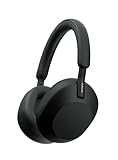
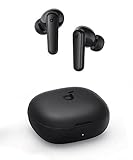
If over-ear isn't your style, the same logic holds with quality earbuds — you just won't get quite as much isolation from outside noise, which matters more for hearing subtle detail than most people expect.
Catalog size and how discovery actually feels
Both services have libraries large enough that "who has more songs" stopped being a meaningful question years ago — the real difference is how each one helps you find something new. Spotify's recommendation engine is still the category benchmark. Discover Weekly, Release Radar, and its algorithmic playlists tend to surface tracks that actually fit your taste rather than just repeating what's popular. It's the reason a lot of people who try switching away from Spotify end up going back.
Amazon Music Unlimited has closed the gap noticeably — its personalized stations and mood-based playlists are genuinely decent now — but it still leans more toward "play what's popular in this genre" than Spotify's more idiosyncratic picks. If discovery is the whole reason you pay for a streaming service, Spotify keeps the edge.
Where Amazon pulls ahead is bundling. If you're already paying for Prime, Amazon Music Unlimited layers on top of a subscription you likely already have, plus audiobook and podcast crossover through the wider Amazon ecosystem — easy to underrate until you add up what you're paying across separate apps.
Smart speaker and Alexa integration
This is the category where the comparison stops being close. Amazon Music Unlimited is the native, first-party service on every Echo device — voice commands feel instant, multi-room sync across several Echo speakers just works, and you never run into the "connect a third-party service" friction that comes with using Spotify on Alexa hardware.
Spotify does work with Alexa — you can set it as your default player and control it by voice — but it's operating as a linked service rather than the native experience, and it's noticeably smoother on Google Home or Apple hardware than it is through an Echo. If your home is already full of Echo speakers, Amazon Music Unlimited removes a layer of friction you'll notice every single day, not just occasionally.
Price and family plans
We're not printing exact monthly figures here because both companies adjust pricing often enough that any number would be outdated fast — check the current rate on each signup page before committing. Directionally: the individual plans land in a similar range, but Amazon Music Unlimited's Prime-member discount is real and meaningful, often making it noticeably cheaper than Spotify for anyone already paying for Prime shipping and video.
Both offer family plans with individual listening profiles, and both offer some flavor of a free trial. Spotify additionally offers a permanently free, ad-supported tier with no time limit — useful for testing the waters without a trial clock running, though it comes with ads and reduced skip counts.
If you're a single Prime household deciding on price alone, Amazon Music Unlimited is very likely cheaper once the Prime discount is factored in. If you're not a Prime member and have no plans to become one, the price gap mostly disappears.
Device compatibility and app experience
Spotify has spent over a decade building integrations — cars, gaming consoles, smart TVs, fitness watches, third-party speaker brands, you name it. If you want a music app that shows up natively inside nearly everything you own, Spotify still has the broader reach. Amazon Music Unlimited covers the essentials well (phones, web, desktop, smart TVs, most Bluetooth gear) but doesn't match Spotify's breadth of third-party partnerships outside the Amazon ecosystem.
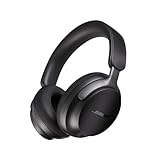
Neither app cares what headphones you're wearing, but it's worth having a pair that can keep up with a wireless connection all day without dying mid-commute.
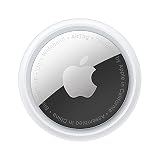
And since the case for expensive headphones or earbuds falls apart fast if you lose track of them, a tracker tucked into the case is a cheap insurance policy.

Who should actually switch
Switch to Amazon Music Unlimited if: you're already a Prime member and want to shave a subscription cost, your home runs on Echo speakers and you want voice commands to feel instant, or you care about lossless audio without paying extra for it.
Stay on (or switch to) Spotify if: personalized discovery is the main reason you pay for streaming, you rely on third-party integrations — cars, consoles, fitness apps — that work best with Spotify specifically, or you want a genuinely free, ad-supported tier with no trial clock.
If you're genuinely undecided, that's what the free trial is for. Test it against your actual daily listening — commute, workout playlist, kitchen speaker — instead of a demo track in a quiet room.
Start a free trial of Amazon Music Unlimited, test it against your actual playlists and speakers, and cancel anytime if it's not the right fit. Check the signup page for current trial terms and pricing.
Try Amazon Music Unlimited free →Frequently asked questions
Is Amazon Music Unlimited better than Spotify?
It depends on what you value most. Amazon Music Unlimited tends to win on price (especially for Prime members), lossless audio included by default, and Alexa/Echo integration. Spotify tends to win on personalized discovery, social features, and third-party device support. Neither is objectively "better" across the board.
Does Amazon Music Unlimited have the same songs as Spotify?
Both services have very large, broadly overlapping catalogs covering mainstream releases across genres. You'll occasionally find an exclusive release or an obscure independent track on one platform that isn't on the other, but for the vast majority of listeners, catalog overlap is high enough that it rarely becomes a dealbreaker either way.
Is Amazon Music Unlimited included with Prime?
No — it's a separate paid subscription from Prime, but Prime members typically get a discounted rate. If you're already paying for Prime, that discount often makes Amazon Music Unlimited cheaper than Spotify's equivalent plan. Confirm current Prime-member pricing on the signup page.
Does Spotify or Amazon Music have better sound quality?
Amazon Music Unlimited includes lossless and high-resolution audio on its standard plan at no extra cost. Spotify has been rolling out lossless audio too, but availability has varied by plan and region — check what's currently live on each app before deciding.
Can I switch between Amazon Music Unlimited and Spotify without losing my playlists?
Not automatically — neither service directly imports playlists from the other. You'll need a third-party transfer tool or you'll need to manually rebuild playlists, ideally during a free trial so you're not paying for both while you migrate.