Every year around the second week of November, the emails start. "Early Black Friday deal." "Doorbuster pricing." "Save up to 70%." And every year, a lot of shoppers respond by opening seventeen tabs and buying things they weren't planning to buy, on the theory that if it's Black Friday, it must be a deal. It often isn't. Retailers know the calendar creates urgency, and plenty of "sale" prices are the same price the item was in September, just with a red banner slapped on it.
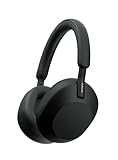
- Top pickSony WH-1000XM5 Headphones~$398
- Best budgetAtomic Habits (James Clear)~$13
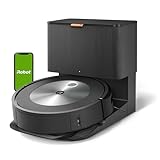
- Worth the splurgeiRobot Roomba j7+ Self-Emptying~$550
The actual useful skill for Black Friday isn't finding more deals. It's knowing which categories genuinely get marked down — sometimes 30, 40, even 60% off actual list price — and which categories barely move no matter how loud the marketing gets. Once you know that, shopping the weekend takes twenty minutes instead of a full day of refreshing tabs, and you stop wasting money on "discounts" that were never real.
Black Friday is forty different sales, not one
The mental model that trips people up is treating Black Friday like a single event with one set of rules. It isn't. It's dozens of separate categories, each with its own margin structure, inventory cycle, and manufacturer pricing agreements, all launching promotions on the same weekend because that's when shoppers are paying attention. A TV manufacturer discounting last year's model has nothing to do with a cookware brand that's contractually not allowed to discount at all. A robot vacuum company clearing Q4 inventory has nothing to do with a book publisher whose prices are set months in advance and barely move.
Once you separate the weekend into "categories with real discount mechanics" and "categories that just print a bigger percentage-off sticker," the whole thing gets a lot less overwhelming. Some categories are genuinely built for this weekend. Others are just riding the marketing wave.
Electronics: the category that actually delivers
Consumer electronics is the single most reliable Black Friday category, and there's a structural reason for it: new models launch on a predictable annual or biannual cycle, which means retailers and manufacturers have a hard deadline to clear out the previous generation. Headphones, earbuds, power banks, TVs, laptops, tablets — all of it follows the same pattern. The newest flagship rarely drops much. The model that's six to eighteen months old drops a lot, because it needs to be gone before the next version ships.
Take noise-canceling headphones. A pair like the Sony WH-1000XM5 sits at a fairly stable price most of the year because it's still the current flagship, but Black Friday is reliably one of the two or three times annually it actually dips — sometimes $70–100 off, which is a real discount, not a rounding error.
Power banks, chargers, and other accessories follow the same discount logic but even more aggressively, because the margins on accessories are wider to begin with and there's less brand pressure to hold a "premium" price point year-round.

The rule of thumb: if it has a model number, a yearly refresh cycle, and a "previous generation" sitting in a warehouse somewhere, it's a strong Black Friday candidate. Headphones, earbuds, chargers, laptops, tablets, and TVs all qualify.
Kitchen appliances and smart home: the reliable doorbuster zone
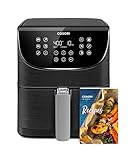
Kitchen appliances are the other category that consistently earns its "doorbuster" reputation, and for a similar reason to electronics: manufacturers push new colorways and slightly updated models every year, retailers overstock ahead of the holidays expecting gift demand, and clearing that inventory before January matters more than protecting the sticker price. Air fryers, multicookers, stand mixers, and coffee equipment are the classic examples — the exact items that show up in every "Black Friday kitchen deals" roundup because they actually deliver.

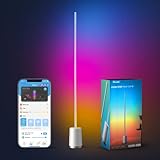
Smart home is the category that's grown the most in the last few years, and it behaves a lot like electronics: robot vacuums, smart lighting, and video doorbells all get real markdowns because the underlying hardware costs keep falling and companies are still fighting for market share and habitual usage. A robot vacuum brand wants you locked into its app and its subscription refills, so getting the hardware into your home at a lower price is worth it to them.
The pattern across kitchen appliances and smart home is the same: physical hardware, annual refresh cycles, and brands actively competing for your loyalty rather than resting on scarcity. That combination is what produces real discounts, not just red text.
What almost never goes on real sale
Here's the category that trips up the most shoppers: gifts that feel like they should be on sale, because everything else around them is, but structurally aren't built to discount. Books are the clearest example. Publishers set prices well in advance, print runs are planned around those prices, and most retailers are bound by pricing agreements that keep the discount shallow — a few dollars off a $15–25 book, if anything. A "Black Friday book sale" is almost always a marketing label on the same modest discount that title gets on any given month.

The same logic applies to a surprising number of "gift guide" staples: high-demand drinkware, cult-favorite home goods, and anything currently trending on social media. When demand outpaces supply, brands have zero incentive to discount, Black Friday or not — the item is already selling at full price without a sale, so why would they cut margin on the one weekend everyone's paying attention?
Cozy, premium-feeling gifts in general are a mixed bag. Some do discount meaningfully if the brand is trying to move seasonal inventory before it becomes last year's stock. Others, especially smaller direct-to-consumer brands with strong existing demand, barely move.
None of this means skip these categories entirely. It means set your expectations correctly: a $2 discount on a bestselling book or a $20 discount on a hot-demand tumbler is normal, not a sign you're missing out. Save your actual Black Friday shopping energy for the categories built to move.
The cheat sheet: discount depth by category
If you only remember one thing from this article, let it be this table. It's not exhaustive, but it holds up across most years and most retailers.
| Category | Typical discount depth | Worth waiting for? |
|---|---|---|
| Headphones / earbuds | 15–30% | Yes — one of the year's best windows |
| Chargers / power banks | 20–40% | Yes — accessories discount the deepest |
| Small kitchen appliances | 25–50% | Yes — the classic doorbuster category |
| Robot vacuums / smart home | 15–35% | Yes — strong brand competition drives it |
| TVs / laptops (prior-gen) | 20–45% | Yes — buy the model that's aging out |
| Books | 0–10% | No — publisher pricing barely moves |
| High-demand drinkware / trending gifts | 0–15% | No — sells at full price on its own |
| Premium DTC comfort goods | 10–20% | Sometimes — depends on the brand's inventory needs |
| Cookware from legacy brands | 0–15% | Rarely — pricing agreements limit discounts |
How to shop it without panic-buying everything
The strategy that actually works is boring, which is exactly why it works. First, make your list in October, before any sale exists, based on what you actually need or want to gift — not based on what shows up in your inbox. A discount on something you weren't going to buy anyway isn't savings, it's spending.
Second, sort that list into the two buckets from the table above. For anything in the "reliably discounts" bucket — electronics, kitchen appliances, smart home — hold off and buy it during the Black Friday window itself, because you have real reason to believe the price will drop. For anything in the "rarely discounts" bucket — books, high-demand drinkware, most cookware — just buy it whenever you see it in stock at a normal price. Waiting for a Black Friday discount that isn't structurally likely to happen just delays a purchase you were going to make anyway.
Third, for anything genuinely on your fence, check price history before you buy, not after. A price-tracking browser extension takes thirty seconds to install and will tell you immediately whether a "sale" price is actually lower than what the item sold for in September. This single habit eliminates most of the fake-discount problem on its own.
Finally, budget your actual shopping time the same way: spend most of it in the categories that reward attention — electronics, appliances, smart home — and spend almost none of it hunting for deals in categories that structurally don't move. You'll end the weekend with better purchases and a lot less scrolling.
FAQs
Is Black Friday actually worth shopping, or is it mostly marketing?
Both, depending on the category. Electronics, kitchen appliances, and smart home genuinely see real, repeatable discounts during this window — often the deepest of the year. Books, high-demand drinkware, and many "gift guide" staples barely move. The trick is knowing which bucket your item falls into before you shop, not treating the whole weekend as one uniform sale.
Why don't books ever seem to go on sale for Black Friday?
Publisher pricing agreements and thin margins on physical books limit how much retailers can discount, even during major sales events. A bestseller might drop a couple of dollars, but you're very unlikely to see the 30–50% markdowns common in electronics or kitchen appliances. If you want a specific book, buy it whenever it's convenient rather than waiting for Black Friday.
Are robot vacuums and other smart home devices actually discounted, or is that a myth?
It's real. Smart home is one of the more reliably discounted categories because brands are competing hard for market share and want your hardware — and your ongoing app or subscription engagement — in your home. Robot vacuums, smart lighting, and video doorbells routinely see meaningful markdowns during Black Friday.
Should I wait for Black Friday to buy kitchen appliances?
If it's a mainstream item like an air fryer, multicooker, or coffee maker, generally yes. Retailers overstock kitchen appliances ahead of the holidays and need to clear that inventory, which produces some of the deepest, most reliable discounts of the entire shopping season.
How can I tell if a "Black Friday deal" is a real discount?
Check the price history. A price-tracking browser extension will show you what an item actually sold for over the past several months, which instantly reveals whether a "sale" price is a genuine drop or just the regular price with a red banner added. This takes thirty seconds and eliminates most of the guesswork.
What's the single biggest mistake people make on Black Friday?
Treating every category the same. Panic-buying a book or a trending drinkware item because it's "on sale" usually means paying close to full price anyway, since those categories rarely discount much. The bigger win is holding off on electronics, appliances, and smart home purchases specifically for this window, since those categories are structurally built to drop.
Do premium direct-to-consumer brands like weighted blanket makers ever run real Black Friday sales?
Sometimes, but the discounts tend to be shallower than mainstream electronics or appliances — often 10–20% rather than 40–50%. These brands usually have steady demand without needing a sale to move inventory, so treat any DTC comfort-goods discount as a nice bonus rather than something to specifically wait for.