The bar tools aisle at HomeGoods is a graveyard of ambition. Cocktail shakers with rubber grips that crack by month three. "Complete bar sets" in matte black that look phenomenal in the Instagram unboxing and start rusting at the pivot point before summer is over. Jiggers that don't hold a consistent measurement. Muddlers that splinter. The whole category is plagued by products designed to be gifted, not used.
- Top pickMicroplane Classic Zester/Grater~$15
- Best budgetKitchenIQ Edge Grip 2-Stage Knife Sharpener~$8
- Worth the splurgeBaratza Encore ESP Burr Grinder~$200
Here's the thing: you don't actually need most of what's in those sets. What you need is a short list of tools that are built right, work every time, and stay in circulation for a decade. The rest is filler. This is the short list — plus the kitchen tools serious home bartenders already own that double as some of the best bar gear you can buy.
The honest case against buying a bar set
Bar sets are sold the same way knife sets are sold: as a complete solution that saves you from having to think. The problem is the same too. You end up with eight things when you needed three, and the three you needed are the cheapest parts of the set. The strainer is flimsy. The jigger doesn't sit flat. The muddler has a weird grip. And the whole thing lives in a stand on your counter taking up space you don't have.
The "elegant 10-piece bar set" at $60 is almost always: a shaker that leaks, a jigger that's off by 20%, a bar spoon that bends, a strainer with gaps wide enough to let ice chips through, a muddler that does nothing to citrus, and five accessories that exist to fill the box. You will use two of them. Buy those two things individually from brands that make tools for actual use.
The budget that goes into a mediocre 10-piece set is better spent on two or three excellent individual pieces. A $25 OXO cocktail shaker outlasts a $60 decorative set by years. A proper jigger from a bar supply house costs $12 and measures accurately for life.
The tools that actually matter — built to last
After stripping out everything that lives in a set but never gets touched, the real list comes down to: a shaker, a jigger, a bar spoon, a strainer, a muddler, and a sharp paring knife. That's it. Everything else — ice mallets, garnish picks, smoking guns, Lewis bags — is nice-to-have once you've mastered the basics.
The principle is simple: buy fewer tools, buy better ones, use them until they stop working. A $15 Hawthorne strainer from a restaurant supply source will outlast four $40 decorative ones. Weight, materials, and tolerances matter. Finish and aesthetics are the wrong criteria to optimize on.
The Microplane: the most underrated bar tool you already need
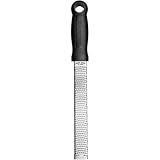
If you only add one thing to your cocktail setup this year, make it a Microplane zester. The case for it is almost absurd: freshly grated nutmeg over an eggnog flip, a bright stripe of lime zest over a daiquiri, lemon oil expressed over a martini, shaved dark chocolate over a Mexican coffee. A Microplane does all of this in five seconds and costs $15. The box grater in your kitchen drawer does not.
The Microplane Zester/Grater is the classic form: narrow, rigid, razor-sharp photo-etched steel teeth that glide through citrus peel without hitting the bitter white pith. It zests, it grates whole spices (fresh nutmeg is incomparable to pre-ground), it does parmesan, it does ginger. It's the rare kitchen tool that earns a permanent spot in the bar drawer on pure merit.
Fresh citrus, done right — and what to do with the rest
There is no substitute for fresh juice in cocktails. Bottled lime juice and bottled lemon juice are not close approximations — they're different drinks. Fresh juice has volatile aromatics that disappear within hours of pressing, which is why a good margarita made with freshly squeezed lime tastes completely different from one made with the stuff in a plastic bottle.
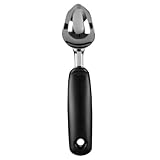
A citrus juicer is the mechanical solution. But the workflow around it matters too. A sharp chef's knife and a reliable cutting surface. A small fine-mesh strainer to catch seeds and pulp. And ideally a container to batch fresh juice in before guests arrive — a 16oz deli container works perfectly and keeps juice fresh in the fridge for up to 48 hours. The OXO Can Opener comes up in this workflow more than people expect: canned coconut cream for tiki drinks, a can of quality tomato juice for a Bloody Mary build, canned pumpkin puree for fall syrups. When you're building at scale, a can opener that works consistently is one less thing to fight with mid-prep.
The kitchen tools serious home bartenders actually use
The best bar equipment is often not sold in bar equipment sections. Professional bartenders raid the cooking supply aisle because restaurant-grade kitchen tools are built to different tolerances. Here are the crossover items that earn their place in a real home bar setup:
A burr grinder for spices and rimmers
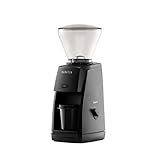
Pre-ground spices are inferior to freshly ground ones — this is as true at the bar as it is in the kitchen. A dedicated spice burr grinder (or a separate Baratza set to coarse) opens up: fresh-ground cardamom in a chai vodka tonic, toasted coriander in a gin cocktail, custom cocktail salt rimmers with dried citrus and chili. The Baratza Encore is over-specified for spices but it's the choice if you want one grinder that does everything. Most home bartenders use an inexpensive blade grinder dedicated to spices — but if you already own a Baratza, a quick clean between uses works fine.
The Lodge Cast Iron for fat-washing and toasted infusions
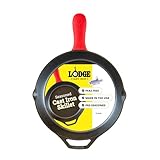
Fat-washing spirits has gone from bartender trick to home bar staple. The technique: melt fat (brown butter, bacon fat, coconut oil, sesame oil) in a pan, combine warm with your spirit, freeze, skim the solidified fat, strain. The result is a spirit with the aromatic roundness of the fat without the greasiness. Brown butter bourbon for a corn-and-oak riff on an Old Fashioned. Sesame-washed whiskey for a Japanese-inspired highball. The Lodge Cast Iron is the tool for this: it handles high heat, it's cheap, it lasts forever, and it goes from stovetop to countertop without drama.
Cast iron is also excellent for toasting whole spices and dried citrus peels before using them in infusions — the dry heat brings out oils that don't emerge from cold-steeping alone.
The Instant Pot for syrups, infusions, and batch prep
Simple syrup takes 10 minutes on the stove. Honey syrup takes 15, and you have to watch it. Grenadine from scratch takes 30 minutes and burns easily if you look away. In a pressure cooker, you can make rich simple syrup in 2 minutes with no risk of burning, do a rapid infusion of herbs or spices in 15 minutes instead of 2 weeks of cold steeping, and batch prep syrups in volume that stay fresh in the fridge for a month. The Instant Pot's pressure setting creates enough heat to extract flavor from botanicals in a fraction of the time of traditional methods — this is the same principle commercial spirits producers use in rapid maceration. At home, it means your spiced honey syrup for a hot toddy takes 10 minutes instead of 3 days.

Silpat for dehydrated garnishes and sugar work
Dehydrated citrus wheels — the ones you see fanned across a cocktail or draped over the rim of a glass — are a $12-per-bag premium garnish from specialty stores. On a Silpat, you make them for pennies. Slice citrus thin, lay on the mat, 170-degree oven, three to four hours. Done. They keep for weeks in an airtight container. The Silpat's non-stick surface also makes it the right tool for pulled sugar work (rock candy swizzle sticks, caramelized sugar shards) and for laying out chocolate-dipped cocktail stirrers to set. A $25 tool that eliminates a recurring $12 garnish expense pays for itself in a few batches.
Keep the knife sharp — it runs the whole operation
Every piece of citrus prep, every garnish cut, every fruit component goes through a sharp paring knife first. A dull paring knife is where home bartending falls apart: the citrus rolls, the cut is ugly, the twist tears instead of peeling cleanly. A sharp knife costs you two seconds per cut instead of eight. Over a batch of drinks for six people, that adds up to several minutes — and a better-looking product.
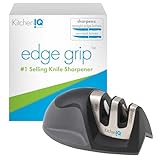
The KitchenIQ Edge Grip sharpener is the tool for people who want a working-sharp knife without committing to whetstone technique. Two pulls through the carbide stage, two through the ceramic, and your paring knife is back to functional. It's $8. Keep it in the bar drawer next to the knife.
What tools do I actually need to start making good cocktails at home?
The honest short list: a cobbler shaker (or Boston shaker once you're comfortable), a proper jigger that measures accurately, a Hawthorne strainer, a bar spoon, a muddler, and a sharp paring knife. That's six things. Everything else — including the ice tools, the garnish picks, the smoking gun, the Lewis bag — adds to your repertoire but isn't what separates a good cocktail from a bad one. Get the fundamentals right first.
Is fresh juice really that important?
Yes, and not by a small margin. Bottled lemon and lime juice have been pasteurized, which kills the volatile aromatic compounds that make fresh citrus bright and high-pitched. A fresh lime daiquiri and a bottled lime juice daiquiri are genuinely different drinks. Fresh juice does go stale quickly — batch it within two hours of serving for best results. A small citrus juicer is worth every cent.
How do I make simple syrup at home?
Equal parts sugar and water (1:1 for light simple syrup, 2:1 sugar to water for rich simple syrup) in a small saucepan over medium heat. Stir until dissolved, remove from heat before it boils. Cool and bottle. Keeps in the fridge for 3-4 weeks. The Instant Pot method is faster (2 minutes on pressure, no risk of burning) and works well for batching larger volumes. Flavored syrups follow the same method — add the flavoring agent (ginger, lavender, jalapeno, cinnamon sticks) to the water before heating, strain before bottling.
What's the best way to build a home bar without spending a lot upfront?
Start with three spirits instead of twelve: a blanco tequila (versatile across sours, highballs, and stirred drinks), a bourbon (Old Fashioned, Manhattan, Whiskey Sour), and a London dry gin (Negroni, Martini, G&T). Add: Campari, sweet vermouth, dry vermouth, Cointreau or Triple Sec, and a few bitters (Angostura, orange). That covers probably 80% of classic cocktails. Add bottles gradually as you want to make specific drinks rather than buying everything at once.
How do I make dehydrated citrus garnishes?
Slice citrus as thin as you can — a sharp knife or mandoline produces the most even results. Lay slices in a single layer on a Silpat-lined baking sheet. Set the oven to the lowest setting (usually 170 degrees F) and leave for 3-4 hours, flipping once halfway. The wheels are done when they're stiff and dry with no moisture remaining. Cool completely before storing in an airtight container. They keep for several weeks at room temperature. Oranges, lemons, limes, grapefruits, and blood oranges all work.
What actually belongs in a home bar versus nice-to-have?
Needs: shaker, jigger, strainer, bar spoon, muddler, sharp paring knife, cutting board, ice (lots of it), and a fine-mesh strainer for double-straining. Nice-to-have: cocktail ice (large format cube molds), a channel knife for long twists, a Microplane for zesting and fresh nutmeg, a Lewis bag and mallet for crushed ice cocktails, and small glass bottles for batched syrups. Skip: electric cocktail shakers (they dilute poorly and are a pain to clean), garnish sets you'd never actually use, themed bar tools that prioritize aesthetics over function.